
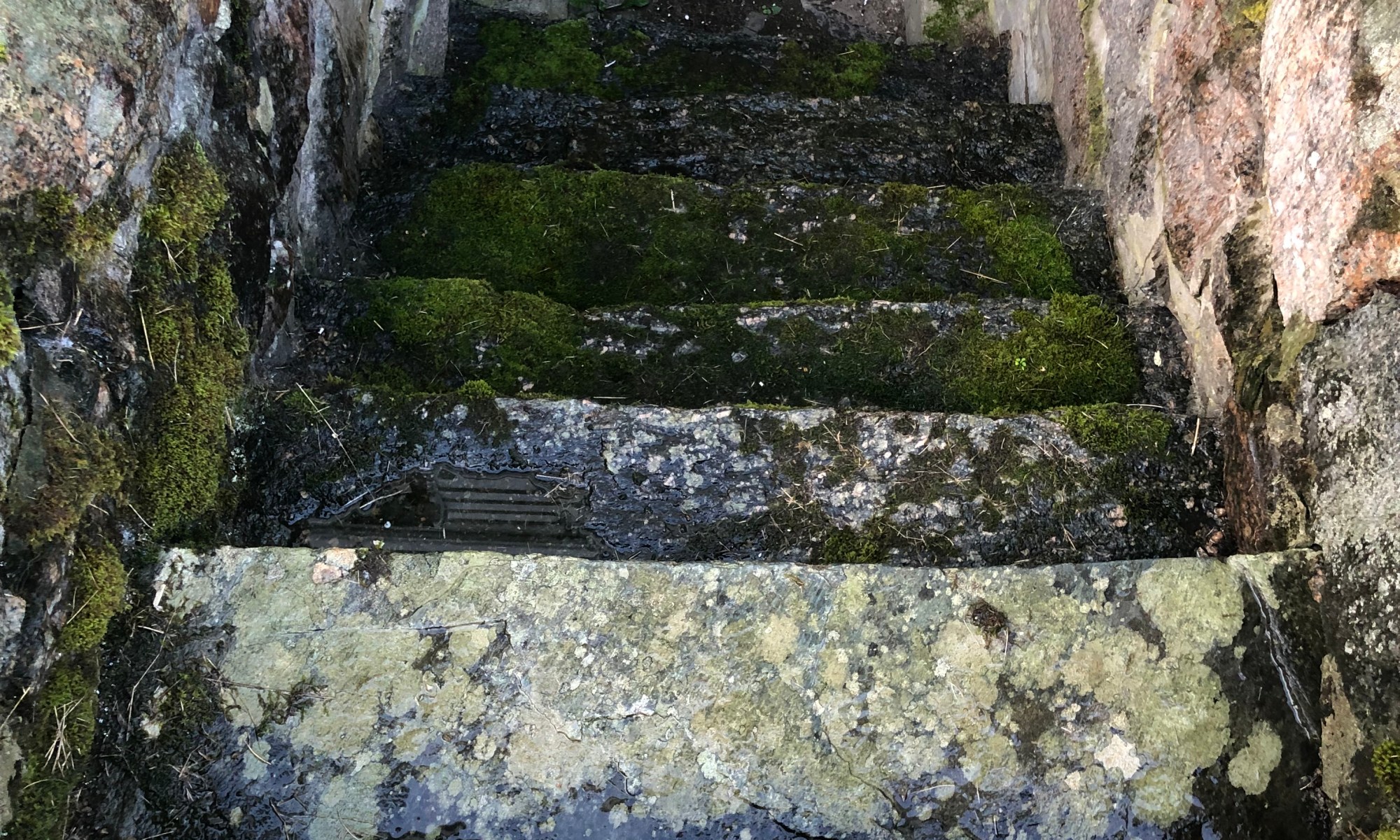
We were thrilled to begin our day of conversation with relatives–rain again, you see–with the news that Erik and Kari had taken a trip to see the doctor for her usual checkup, and had received resoundingly positive news about her progress. (Within the last year, Kari has been battling cancer.) Their spirits, and ours with them, were notably lifted as we swapped stories this afternoon. It was a powerful illustration of a topic we rarely treat with enough gravity: the psychological toll that comes with the physical and mental gauntlet of fighting illness on a daily basis.
And so we send Erik and Kari our best wishes, and rejoice with them at these welcome tidings.
Joining our conversation was a man named Lars, who, if my memory serves correctly, identified himself as Erik’s cousin. He lives in Hafslo, a town to the north now reachable by car in about twenty minutes; but, in older times, residents of Sogndal and Hafslo were so isolated from one another by geographical obstacles that they eventually developed distinct dialects of their own, discovering years later when intermingling became possible that they could scarcely understand one another. With their connection finally established, their linguistic evolution took an opposite course and converged, and the two towns are now able to freely communicate. I’ve long had a keen interest in the development and evolution of language (the linguistics course I took in college–presented entirely in Spanish–remains one of my all-time favorite classes), so this particular conversation grabbed my attention. Were I a more gifted speaker of Norwegian, I may well have hunkered down for some further research this evening.
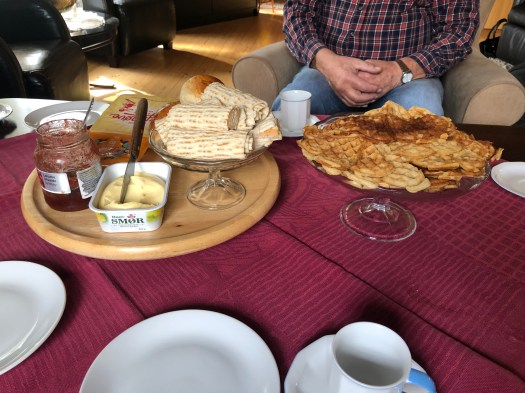
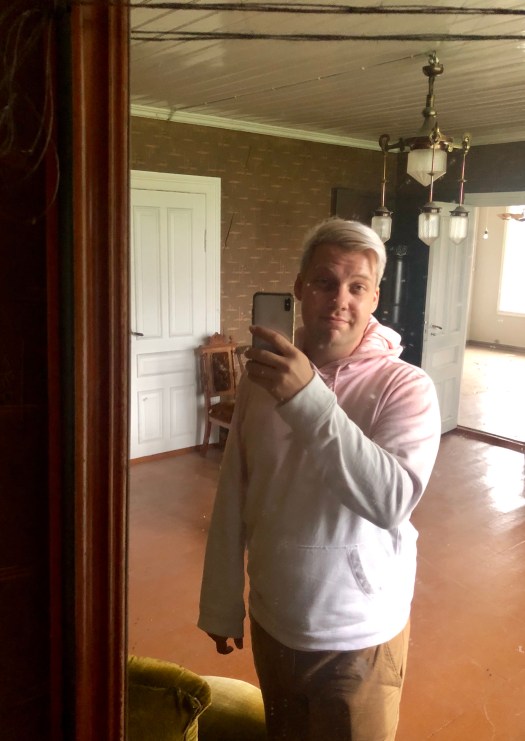
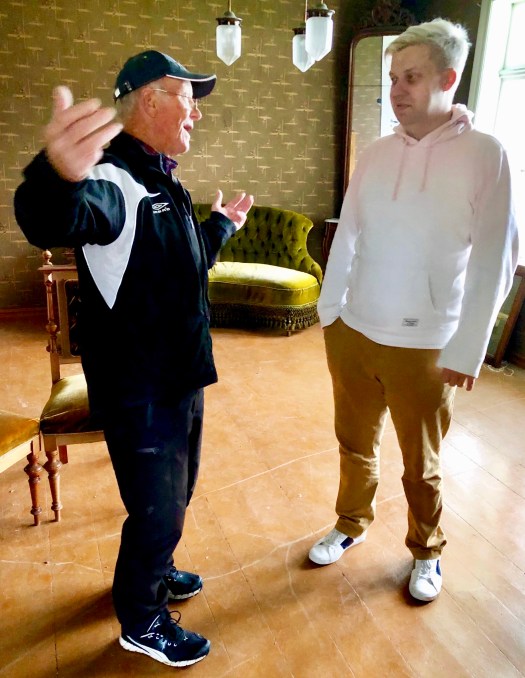
Our appetites satiated and my caffeine level restored to its necessary heights (I should be studied, truly), Erik offered to give us a tour of a house that currently sits unoccupied on the Foss-owned territory, but holds a great deal of historical and familial significance: the residence that used to belong to his parents, now deceased, and that has now been passed to his eldest daughter, Bente. There are forthcoming plans to fully renovate the house so that Bente and her family can occupy the house, but for now, it sits untouched, filled with many reminders of the ways of yore and countless memories for those who beheld it in bygone times.
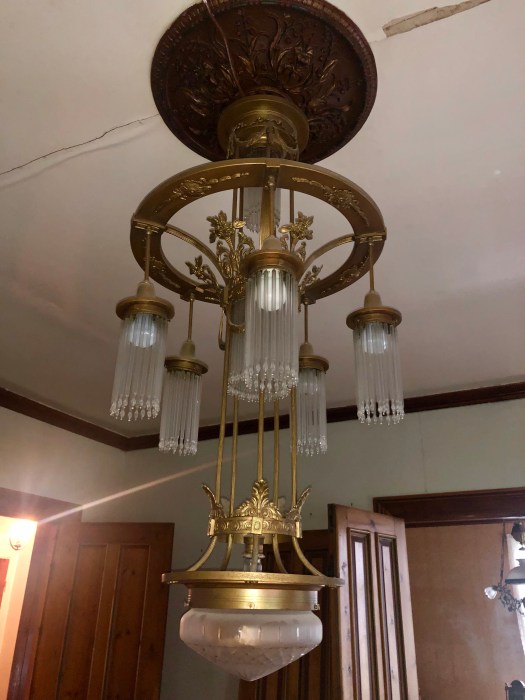
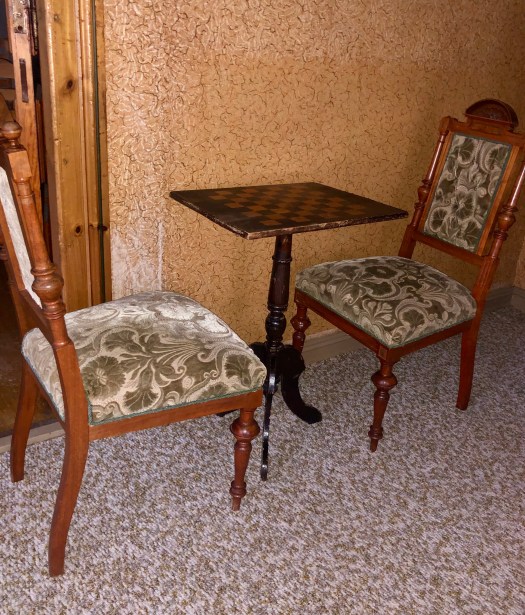
The inside of the house is a playground for anyone with an interest in historic nostalgia. A majority of the rooms contain ornately constructed cast iron furnace stoves; the upstairs hallway holds an old-school, hand-crank-operated clothes wringer; and almost all of the doors, and many of the furniture pieces, are regulated by the use of elaborate metal keys. This last detail was my favorite–I shared with Erik that our old house in Madison used to feature an antique wooden armoire whose main door could be fastened with an intricately decorated key, and that it was one of my favorite parts of the entire house. I remember hiding the key and feeling special that only I knew its whereabouts, even though I never locked the armoire, and its most enticing contents were card games and marbles. I was anything if not easily entertained.
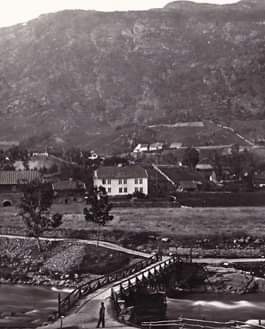
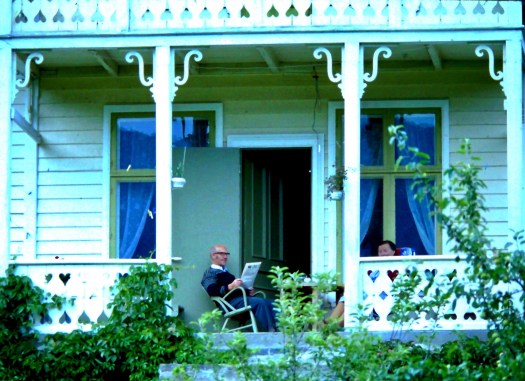
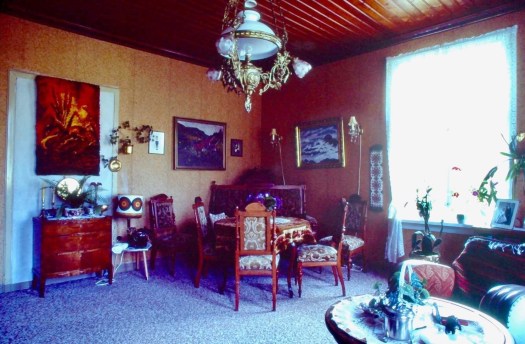
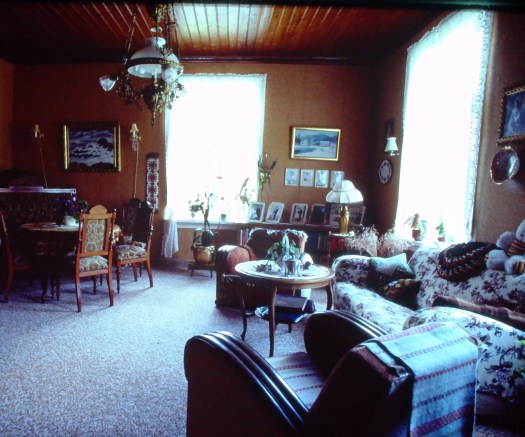
Though Erik sometimes worries, I think, that he bores me with these old-timey stories and minute details of family life as it was way back when, I reassured him this was not the case. I sincerely enjoy learning about the realities of life as they were in past generations, and today’s tour presented a particularly appealing history lesson distinct from one’s typical museum visit. This house, empty as it is, is a monument to my own family’s history, and as Erik breathed life into each room, it was easy to piece together the significant part the house had played in his life, and also to feel indebted to the many yesterdays over which it had presided. After all, I essentially would not be here if not for this house. A weighty realization, indeed.
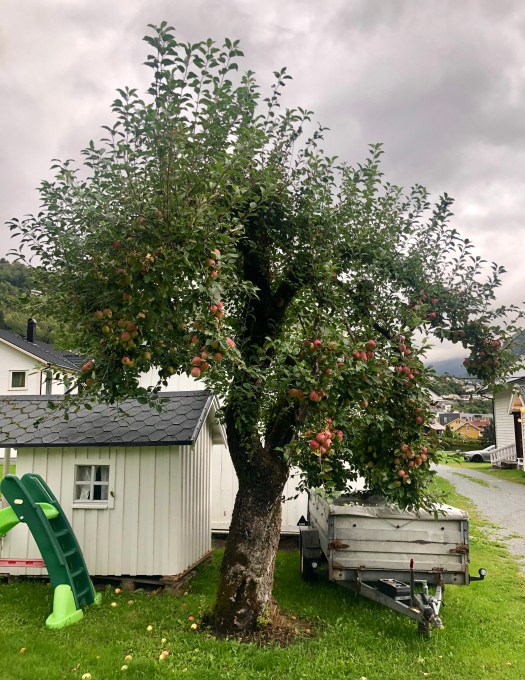
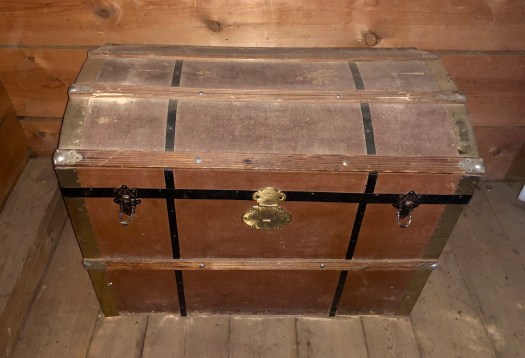
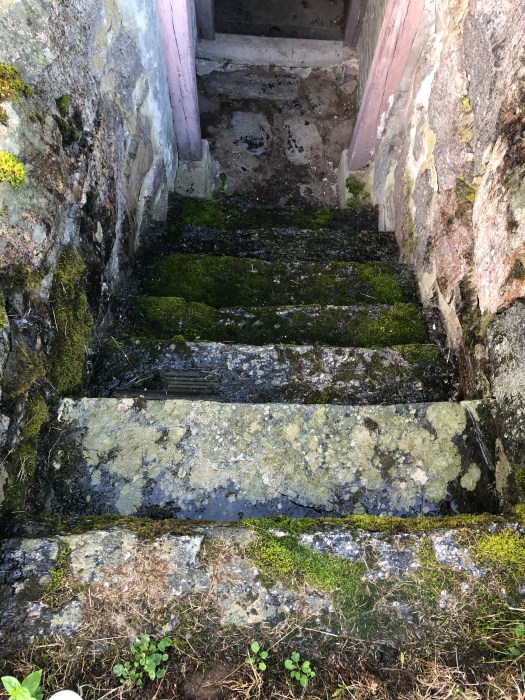
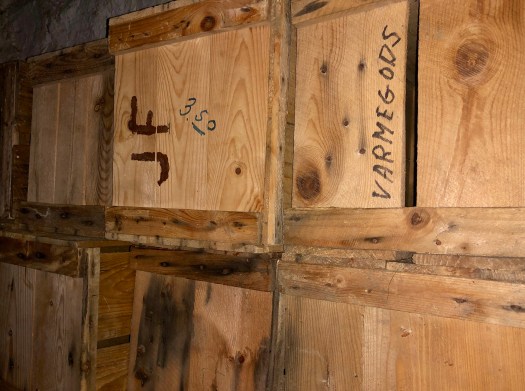
We concluded our tour with a trip to the cellar, where evidence of the family’s former business dealings were on full display. Row upon row of old wooden boxes, many of them adorned with “F” initials–even some with an additional first initial designating a specific sibling–lined the walls. In olden times, these boxes would have been filled with the bounty from the family’s orchard harvests or resources from their variety of livestock and delivered to local buyers or other purveyors (the boxes were always requested to be returned). The cellar featured other references to some of the family’s other hobbies and vocations, including beautifully carved hickory fishing poles and some tools that escaped my recognition.
While the forecast on the horizon will likely limit the opportunity to add more breathtaking vistas to the blog any time soon, there is perhaps some logic to that; it would be difficult to top what we were shown on Sognefjellet (though Norway has demonstrated an ability to surprise you even when you thought you’d seen it all). We have arranged some visits with relatives I’ve not yet met for the coming days, and we remain hopeful that the rainclouds will offer us at least a temporary abatement for some outdoor activities that remain on our to-do list. Until next time, takk for idag, Erik!
 Where the Waterfalls Mean Home