
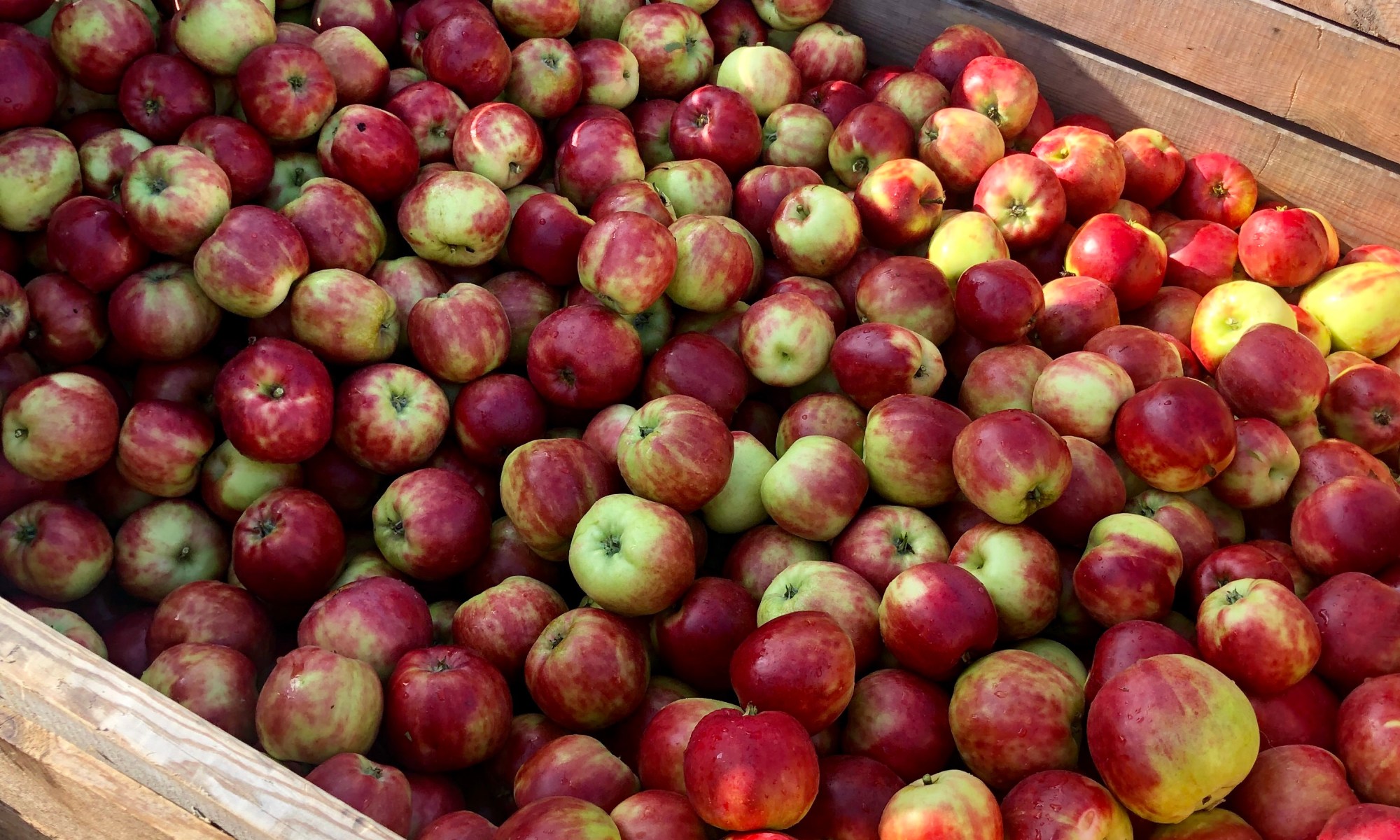
Oh, yes! I love the sunshine!
Like kindness or like mirth
Upon a human countenance,
Is sunshine on the earthUpon the earth, upon the sea;
And through the crystal air,
Or piled-up cloud; the gracious sun
Is glorious everywhere!
The emergence of sunlight and blue sky this morning brought a needed boost to our outlook, enough to move one to poetry; but I am no poet, so I thank Mary Botham Howitt for the borrowing of her verse. We had worried–silently, so as not to jinx it–that another wild fluctuation in the forecasted weather would leave us powerless to undertake our scheduled plans for the day, but fortune smiled.
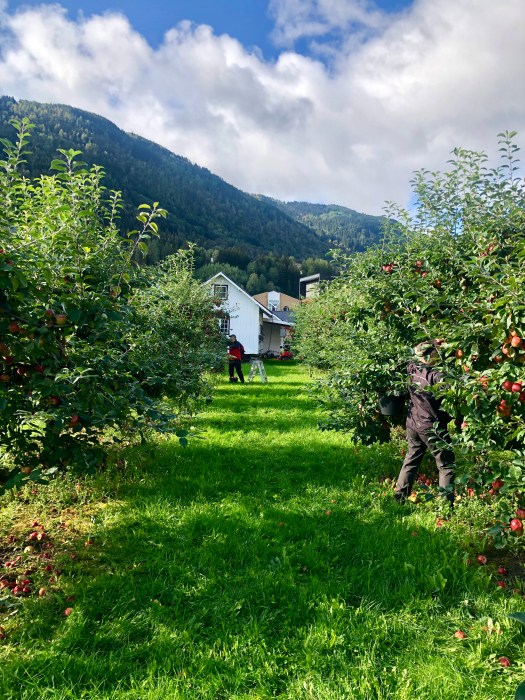
The second half of September through much of the rest of the fall is apple picking time in Sogndal. Many of the households have trees that grow the fruit in their yards; some have only a few, while some possess veritable orchards. On the old, main Foss homestead, it is very much the latter, though my dad and other relatives have shared that the size of the orchard has dwindled considerably over recent decades. Apples have been–and are still–a source of income for the family, the fruits of their labor (ha) shipping to many vendors across Norway.
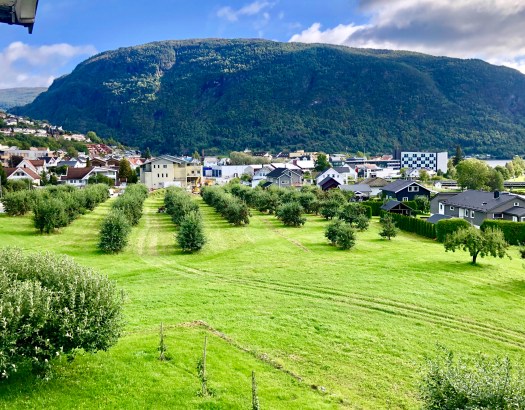
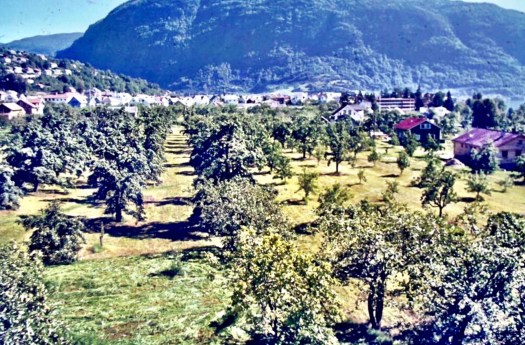

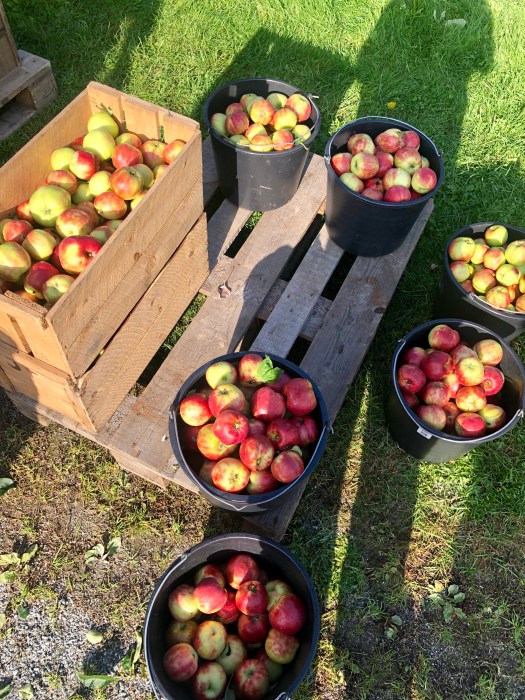
We met early arrivals Bente, Renate, Erik, and Arild for our initial training. While my father has done this before, I was a bona fide rookie (this is the first time my efforts can properly be called “unskilled labor,” despite the prevalence of the occurrence in the United States). Because of turbulent weather patterns earlier in the year and also the need to take any rain-free opportunity to advance the picking process, not all of the apples were ready to be plucked from their branches today, so it was up to the experts to guide us to our targets. I am simply in awe of Erik: this year marks his eighty-first time participating in the harvest, a milestone I can’t begin to properly appreciate or comprehend.
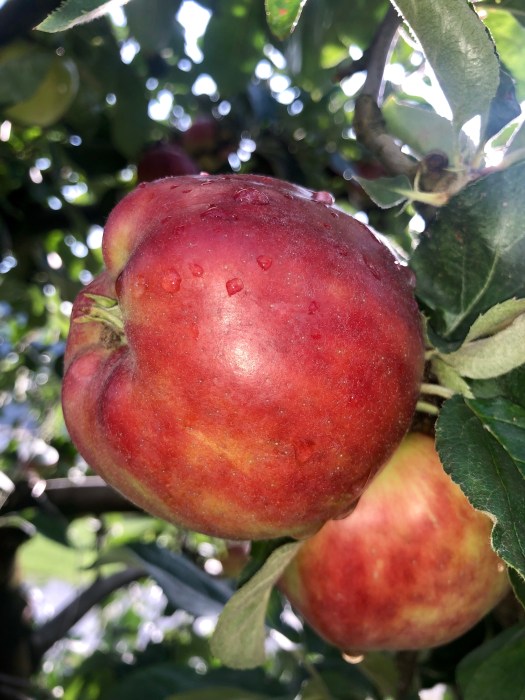
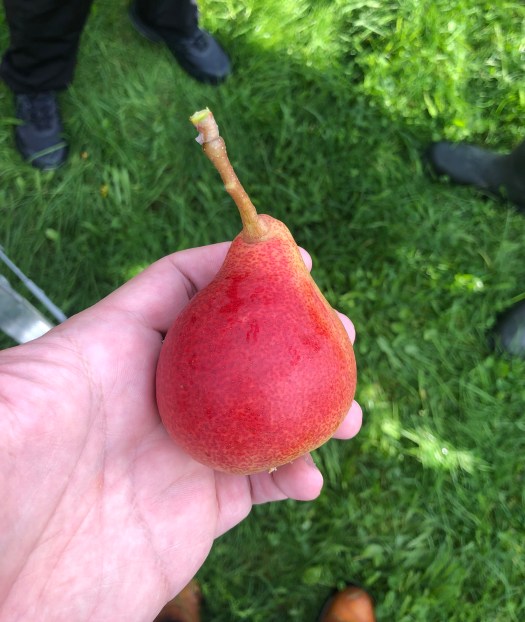
Our mission laid clear–pick the larger, redder apples, not the smaller or entirely green ones (for the apple aficionados in the audience, these were Gravenstein apples)–we set out with buckets in hand. The weight of the task felt initially intimidating: this was a business, after all, not just a lighthearted frolic through the eplehage. But a manageable learning curve and the goodnatured encouragement of the veterans quickly dissolved any early anxieties, and the process turned delightful. A rush of excitement met the discovery of each perfectly plump specimen; on many occasions, it was tempting to pause for a snack. The orchard appears modestly sized at first glance, but, many bucketfuls into the process, you begin to understand that the trees are more bountiful than they might seem. Four hours later, we had covered, optimistically, about fifteen percent of the total picking area. My admiration of Erik’s decades of laborious work was accordingly magnified.

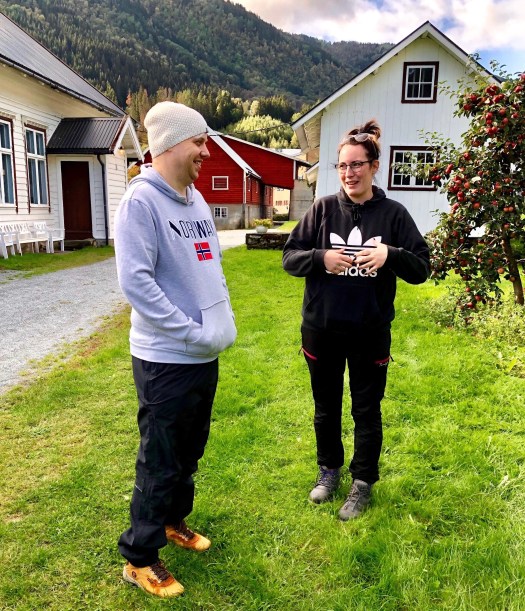
A couple hours into our quest, we headed inside the nearby Foss home–the property formerly belonging to Erik’s parents, Karl and Brita–still furnished with enough fixings to support a gathering for food and refreshment. In our conversation, I was struck by a theme that has recurred many times in many different conversations with separate gatherings of relatives. In the United States, when working in coffee, even as a barista with specialized knowledge and training, I am often treated with condescending, patronizing superciliousness. As an artisan in the service industry, I am assumed to have inferior education, below average aptitude, and nonexistent ambition. This belies the fact that our industry quite literally fuels America, providing our caffeine-starved workforce with 400 million cups of coffee every day, and also my certitude that I am smarter than the average patron. In Norway, the experience has been markedly different. Relatives across the board have been eager to inquire about my work, offering me a sense of prestige I’ve long opined that I deserve but have rarely felt at home. I have appreciated the gesture more than I suspect they realize.
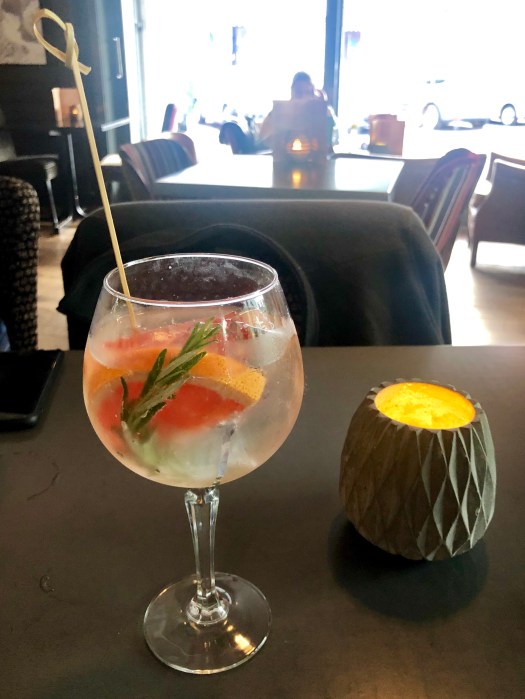
Following a respite to drowse back at our apartment, we elected to live a little and visit a local joint for some dinner. Vågal–Norwegian for “daredevil”–is located in the hotel where Geir works, and specializes in a unique culinary fusion for hungry (and thirsty) patrons: burgers and gin. While I still haven’t quite adjusted to the idea of eating a burger with a knife and fork, I give the experience (and the combination) my enthusiastic approval.
We cautiously expect another day of partially subdued sunshine tomorrow, opening us to a variety of possibilities. I would be remiss not to extend heartfelt appreciation to Bente, Arild, Renate, and Erik for being gracious hosts today and allowing us to intrude on this hallowed family tradition. It was an experience I won’t soon forget, both for the enjoyment of the activity itself and also their warm welcome. Tusen takk to each of you. Until next time!
 Where the Waterfalls Mean Home
“As an artisan in the service industry, I am assumed to have inferior education, below average aptitude, and nonexistent ambition.” I feel this in customer service also. There are plenty of people I work with who have had lots of formal education, or who have had high-up jobs, and for whatever reason (sometimes willful choice, sometimes circumstance, and often times both) they work in effectively an entry-level job. All the same, there’s a huge amount of thought, money, training, etc. that goes in to the work we do, and before I go on a rant I’ll just reiterate that I feel your pain. <3.