
Though it was a treat to begin our morning with a hotel-provided breakfast, I quickly discovered, as I ventured to the nearby coffee shop, an obstacle that would follow us throughout the day: nearly everything in the city is closed on Sundays with the exception of most restaurants and some tourist attractions. So our itinerary for the day would necessarily need to be selected from a relatively restricted list of choices.
Of course, if there is a profit to be made, American companies will happily take advantage, so it will likely surprise none of my compatriots that Subway, McDonald’s, 7Eleven, and Starbucks were all open for business. And while I would nearly sooner die than settle for Starbucks, especially in a city that has so many intriguing coffee shops to visit, this became a matter of desperation rather than desire, and I realized it did at least offer me the chance to conduct an important experiment. I cannot overstate my disappointment to have found “Stefan” written on my coffee cup, even here in the country that gave me my name, where they should know better. My curse, it would seem, knows no borders.
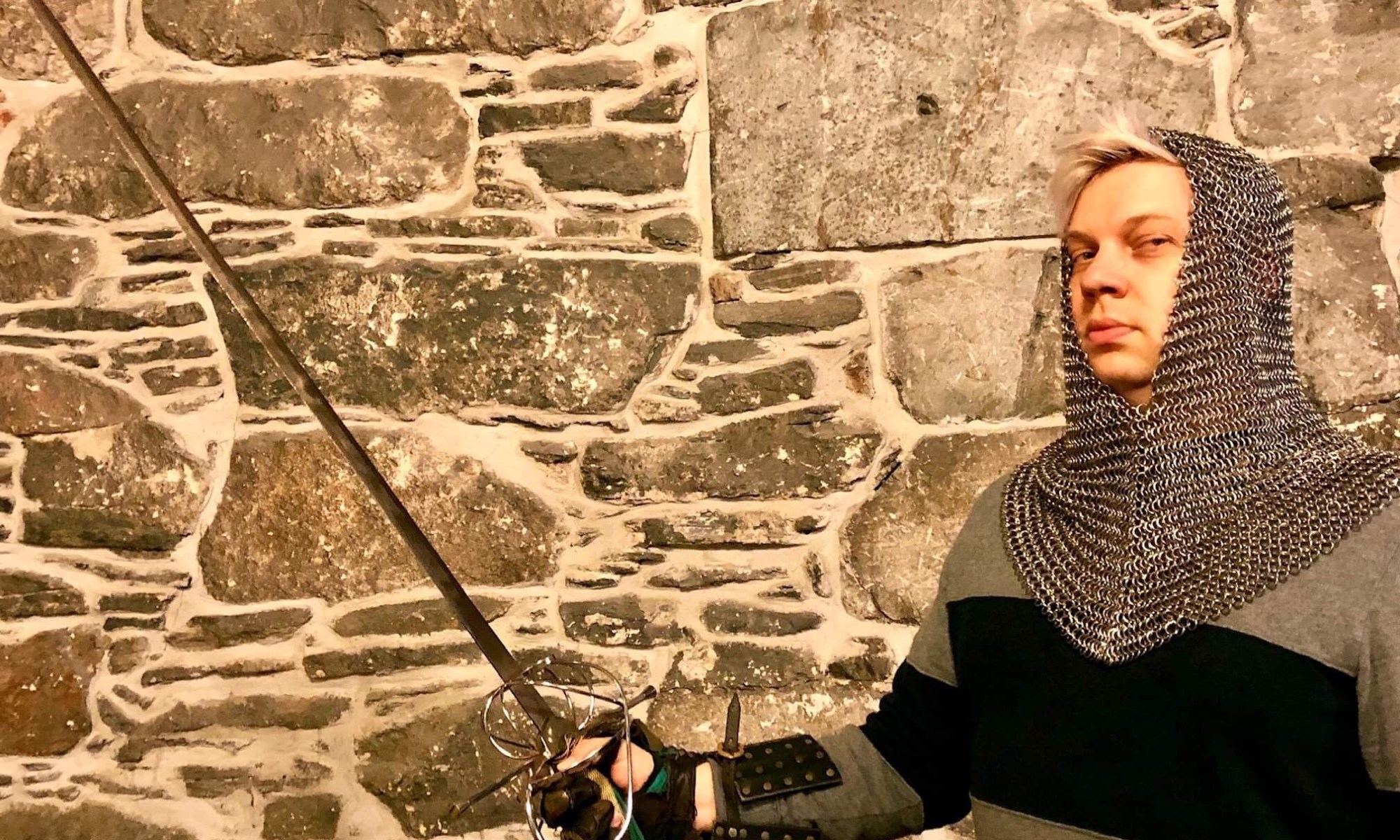
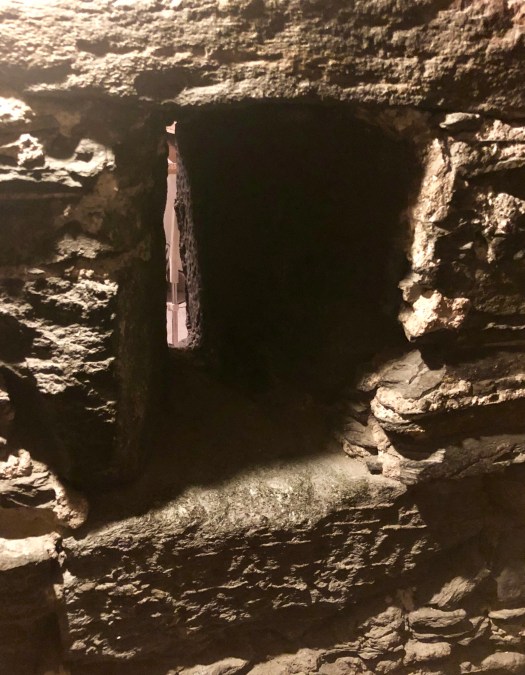
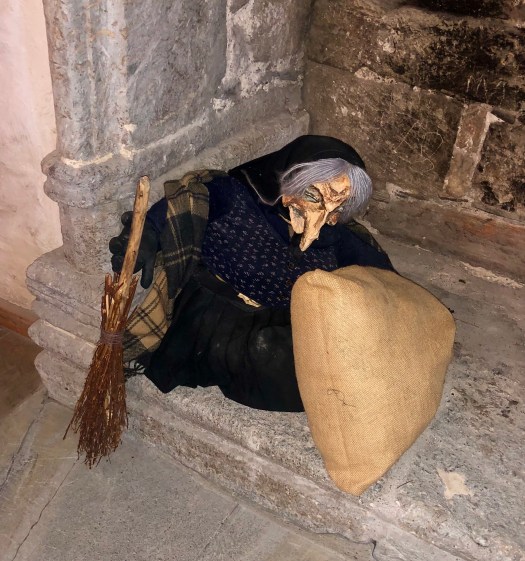
Bergen is a tremendously old city, with a history dating back to the 1000s, so there are a plethora of historic sites and museums ready to educate residents and visitors about a vast array of subjects. We decided to take advantage of a few of them, starting with a walk to Rosenkrantztårnet–The Rosenkrantz Tower–a defensive fortification from the thirteenth century overlooking the harbor that also served as home to the city’s royalty. Inside the building, we navigated through treacherously narrow and low-ceilinged stairways and hallways connecting the various rooms, wherein a series of informational placards painted the story of daily life inside the walls. A consistent focal point of the information was Bergen’s importance as a port city, where international trade flourished and rival nations sought to maintain–or regain–dominance.

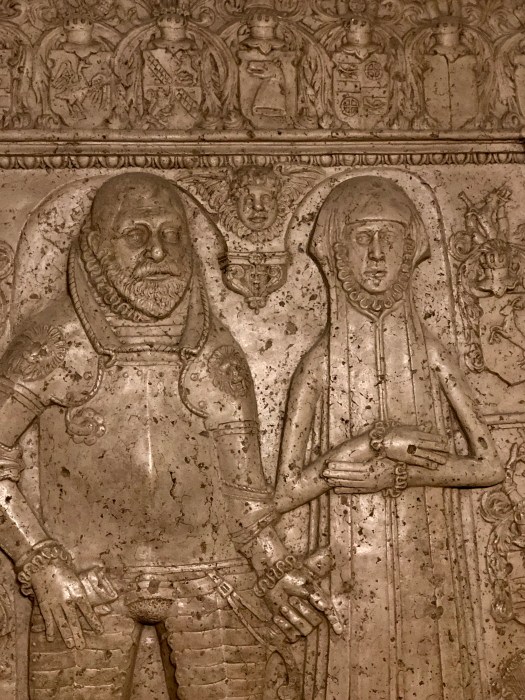
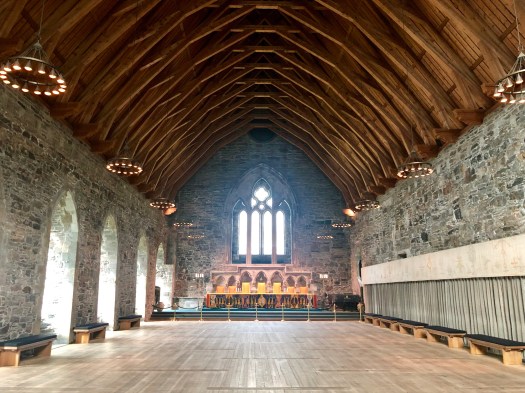
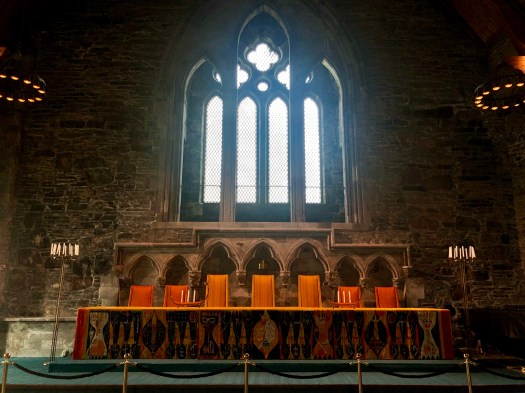
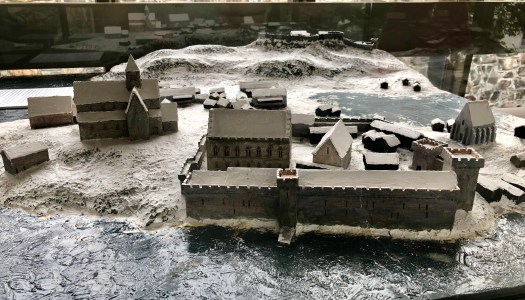
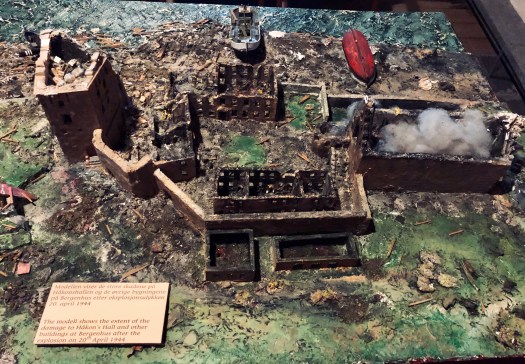
Close by, also in Bergenhus Fortress, is Håkonshallen–Haakon’s Hall–built at an unspecified time also in the thirteenth century. (Along with Rosenkrantztårget, Håkonshallen is the only other building still standing from the original fortress.) While the exterior of the building is in good shape and maintains an awesome presence inside the fortress, the interior was forced to be reimagined through restoration after a Dutch ship carrying many tons of ammunition caught fire and detonated near the quay of Bergen in 1944, devastating the nearby landmarks. Its main feast hall is still a sight to behold, though the imagination wonders what it must have looked like in its inception.
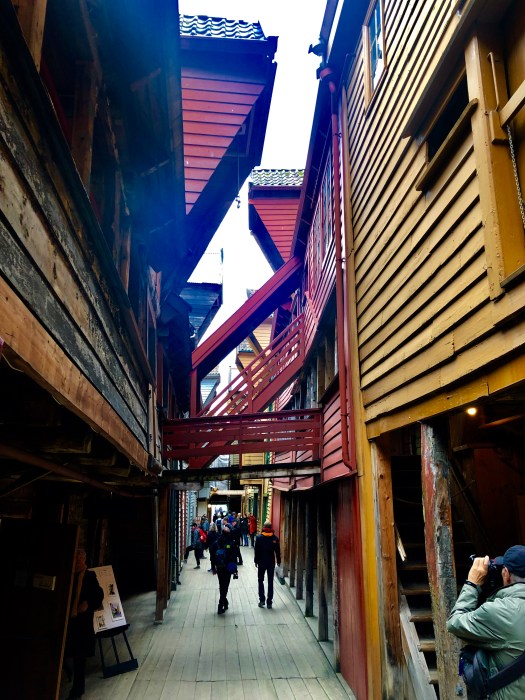
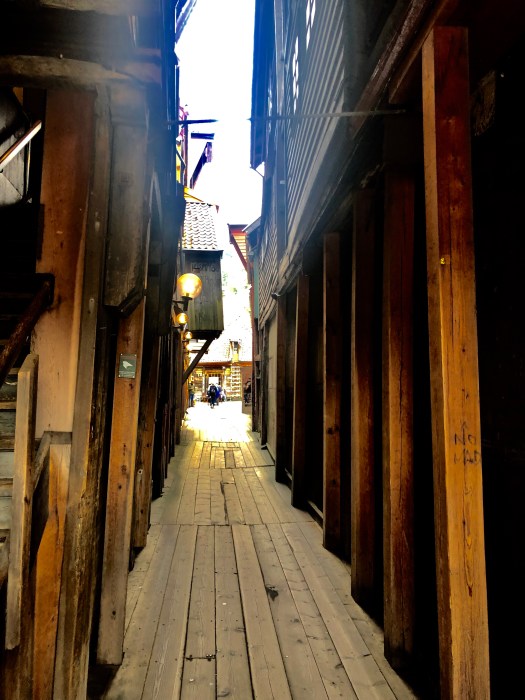
Bergen still maintains many of the charms of a seaside mercantile city, even if many of the vendor stalls have now given way to souvenir shops and the bustle comes in the form of tourists rather than visiting merchants and buyers. An example is found tucked away behind the famous quay houses, where a narrow cobblestone street is criss-crossed by wooden walkways and display beams and houses a charming variety of craft shops and artists’ galleries. And while I know there is very little left in the world that is both deeply historical and also untouched for the purpose of tourism, our trek through this area of town was probably the closest I’ve felt so far to experiencing an unblemished version of Bergen’s history.
As much as it pains me to write this, tomorrow will be our last full day in Norway. I will save the deeper reflections for a later time, but we will look to make the best of the opportunity to close what has been one of the most influential months of my life. Another battle with jet lag and culture shock awaits us on the other side, but I will delay their consideration for one last time. Until tomorrow!
 Where the Waterfalls Mean Home