
Coming down from the high of our Universal Studios day, we started our day with a bit of a ritual that hasn’t yet seen its time in the spotlight in this blog, which is a morning 7-Eleven run. Those who have been to Japan will know that convenience stores (and not only 7-Es) are a dime a dozen around the cities with a selection that exceeds what you’ll find in the states in terms of quality, breadth, and affordability. While the phrase “gas station pizza” can be enough to inspire fear and trepidation in the U.S., Japan’s counterpart shops are stocked with hot and ready morsels at nominal prices. I’ve developed a particularly strong food crush on the cheese curry bread, and I have been miffed to discover that their availability at any given branch is hit or miss. I will be even more plucked when they don’t exist at all back at home.
Two of Japan’s major cities, Kyoto and Osaka, are so close in proximity that you can easily stay in one and visit the other, not altogether dissimilar from Minneapolis and St. Paul. We elected to stay in Osaka as the home of Universal Studios, but we knew we would make the trek north to Kyoto for at least one of our days, and today was that day. I happily donned my new Super Nintendo World @ Universal Studios Japan shirt (this will become relevant later) and joined Paresh for a 7-E nosh and a longer subway trip.
Stepping off the train, I immediately noted a shift in vibe. Osaka has felt somewhat sleek and modern—our time dominated by restaurants that utilize technology, newly constructed theme parks, cutting-edge bars, and commercial districts whose flashing lights could make Las Vegas blush. But Kyoto introduced itself to us with a nod to its historical origins and a more understated, lo-fi approach. Of course, this was only one small area of Kyoto and not enough to make sweeping generalizations about such things. But the contrast felt palpable on the spot.
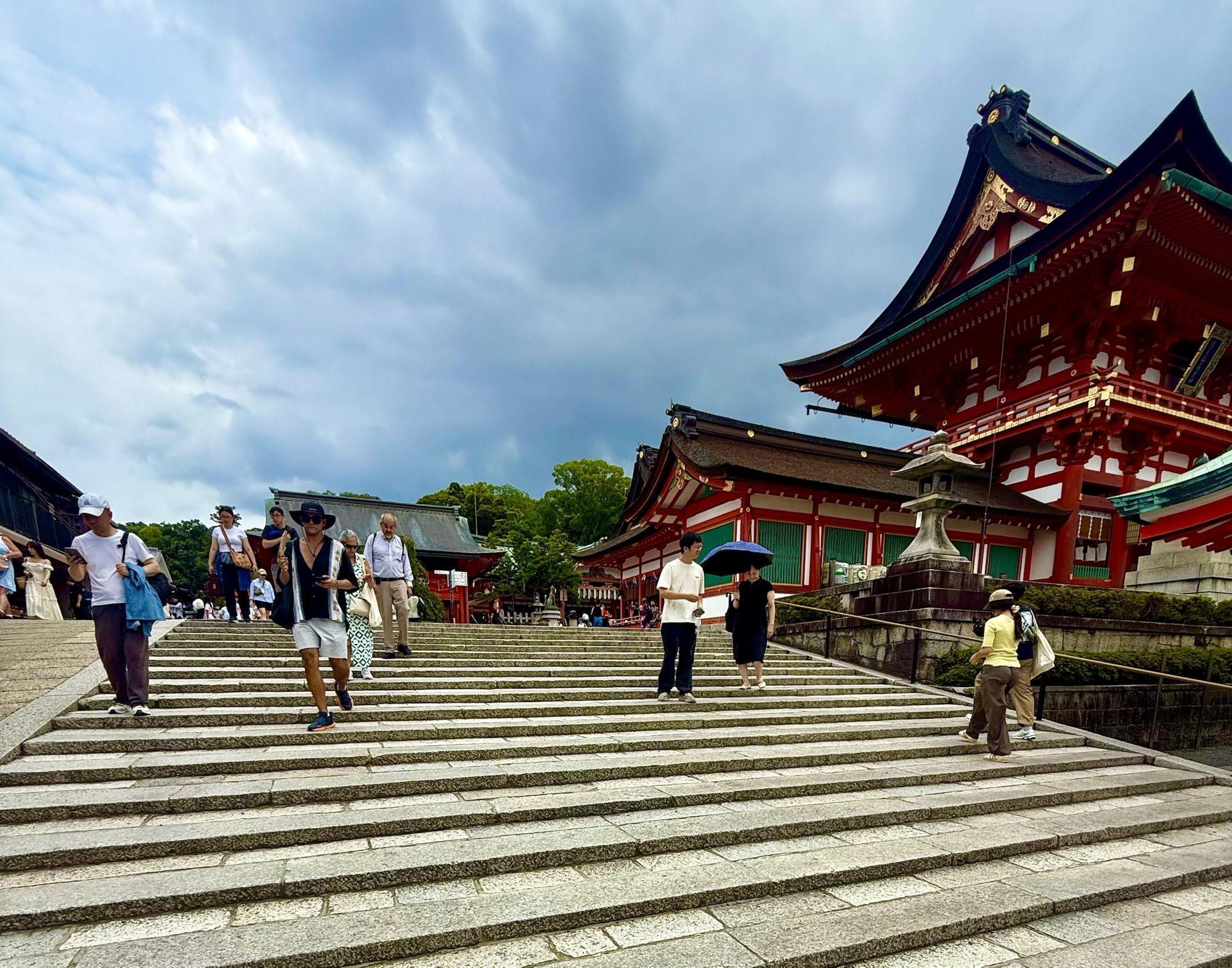
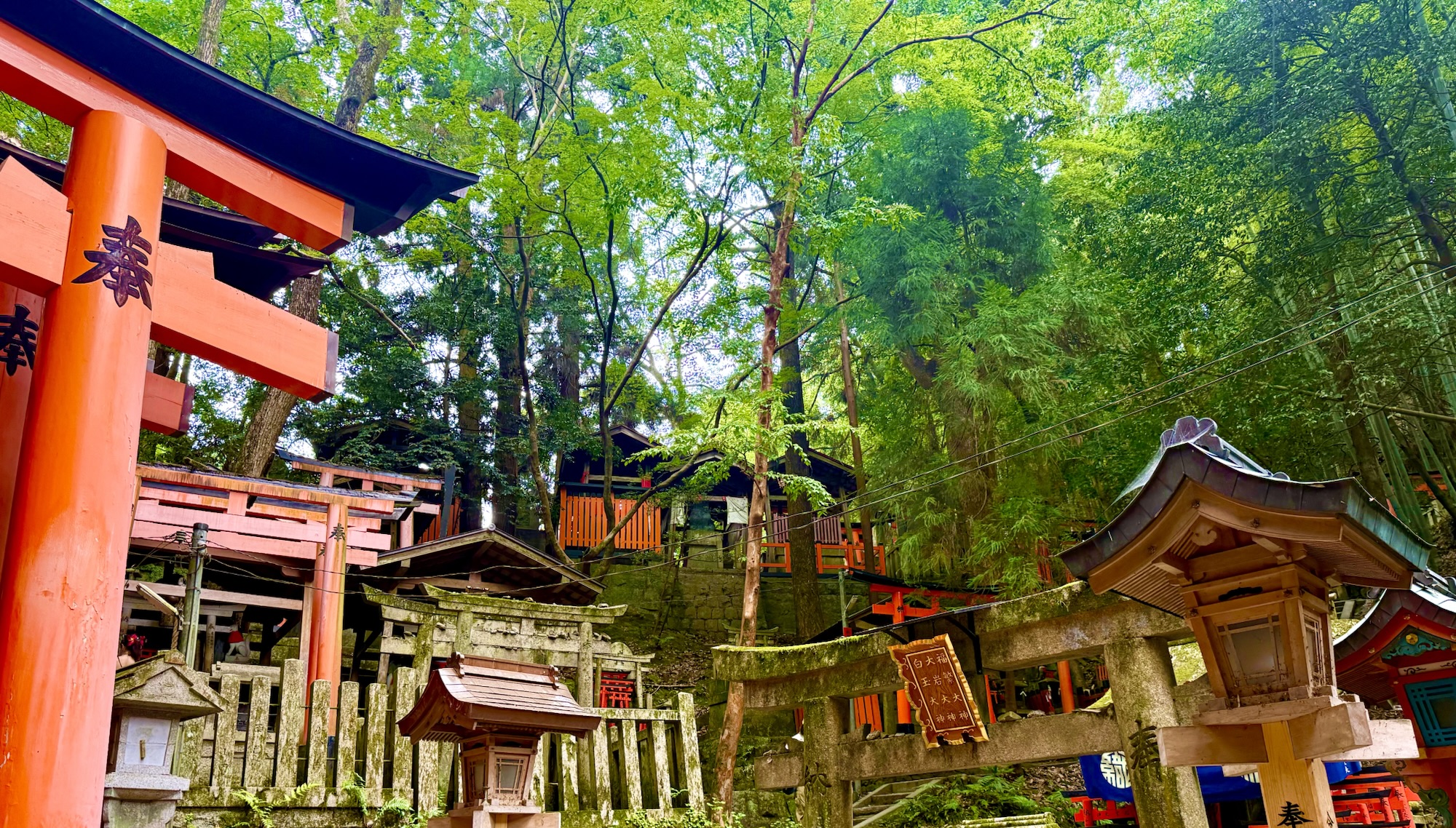
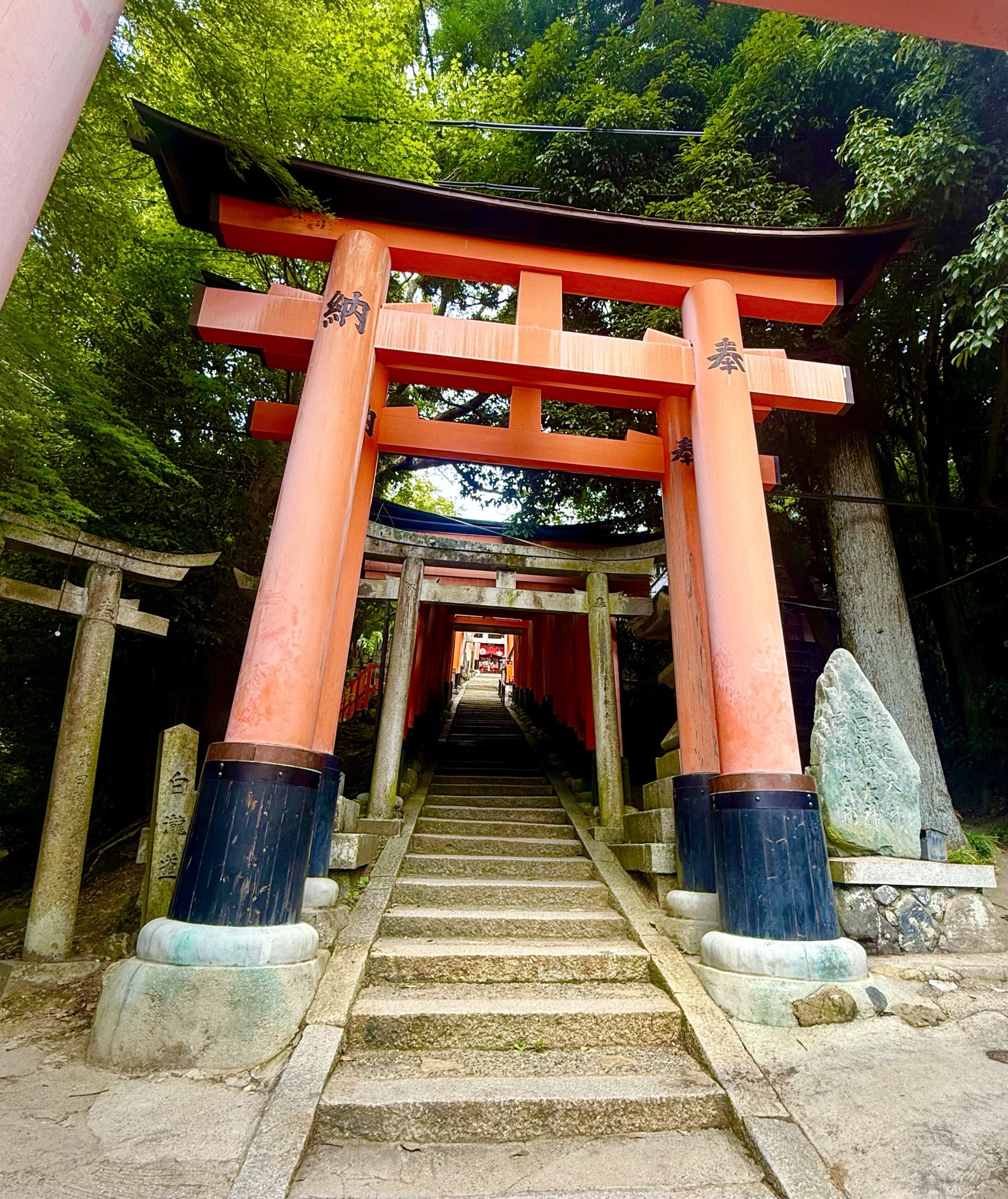
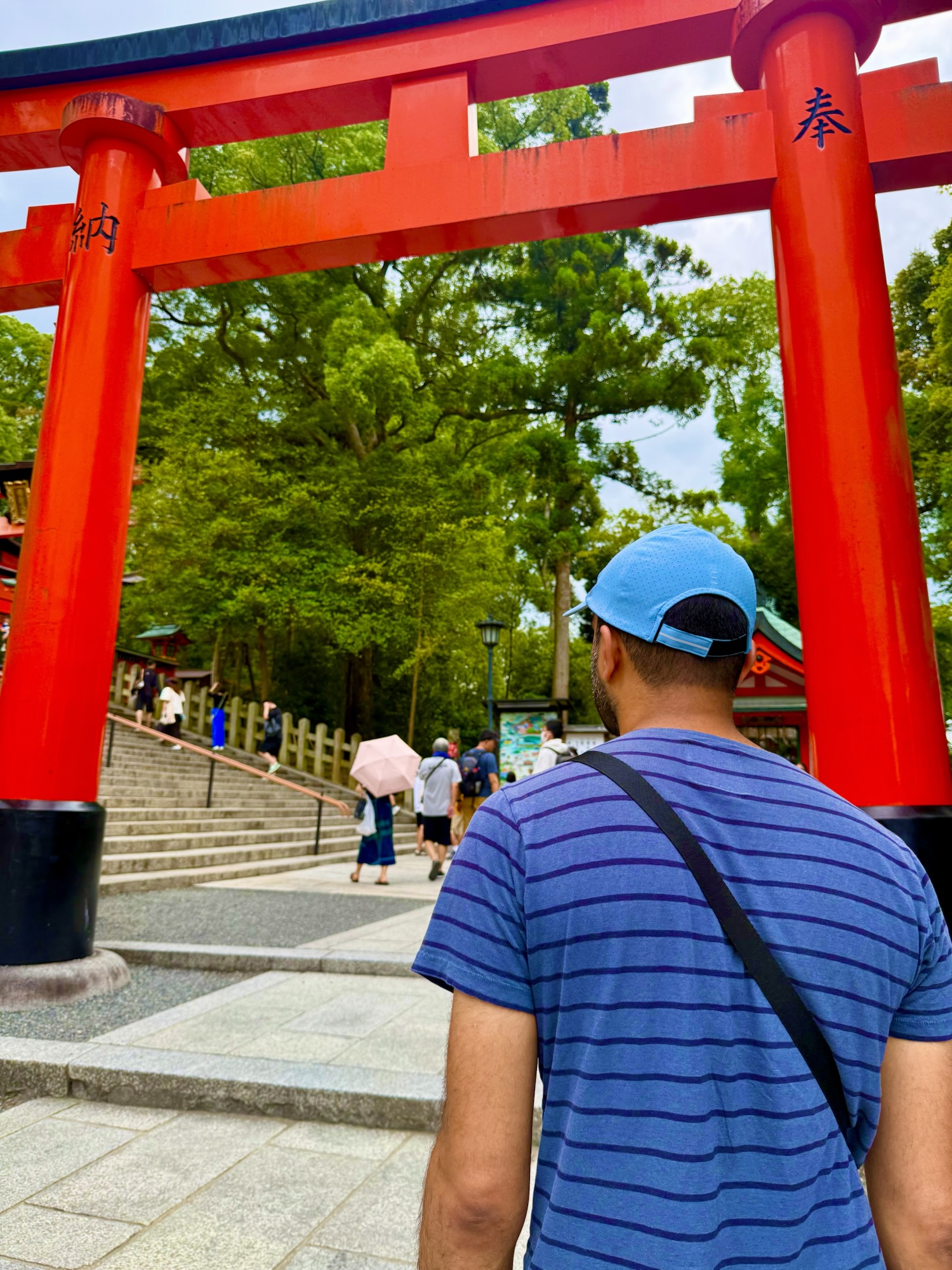
In fairness, our first choice of location may have also contributed to the archival mood of the area. Fushimi Inari-taisha is a Shinto shrine to the rice god, the most important of its purpose and a popular tourist destination in Kyoto for its abundance of torii gates, shrine building architecture, and sweeping views of the city below. While we elected to cease our hike only halfway up the summit of Mount Inari, which the shrine’s pathways encircle, the considerable climb in altitude combined with the day’s 94° heat was enough to soak my entire (new cotton) shirt in sweat. It was a comedy of errors that this was the first day I chose to wear something other than my sweat-wicking garb from Uniqlo, and so of course it was the most physically strenuous. In any event, having been rewarded for our efforts with a panoramic view of Kyoto’s skyline, we retraced our steps and refueled at Vermillion, a speciality coffee shop along the mountainside named for the color of the shrine’s plentiful gates.
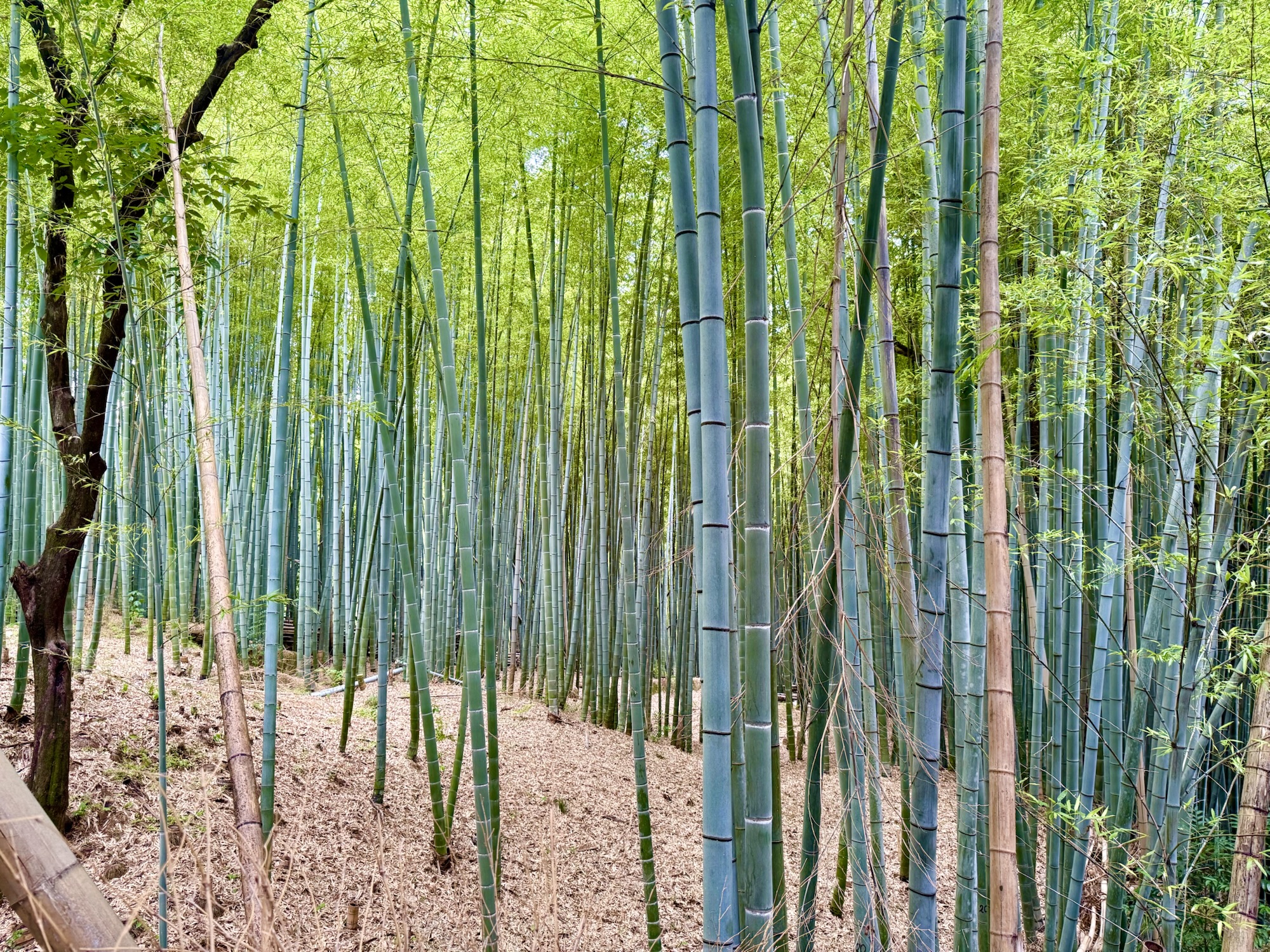
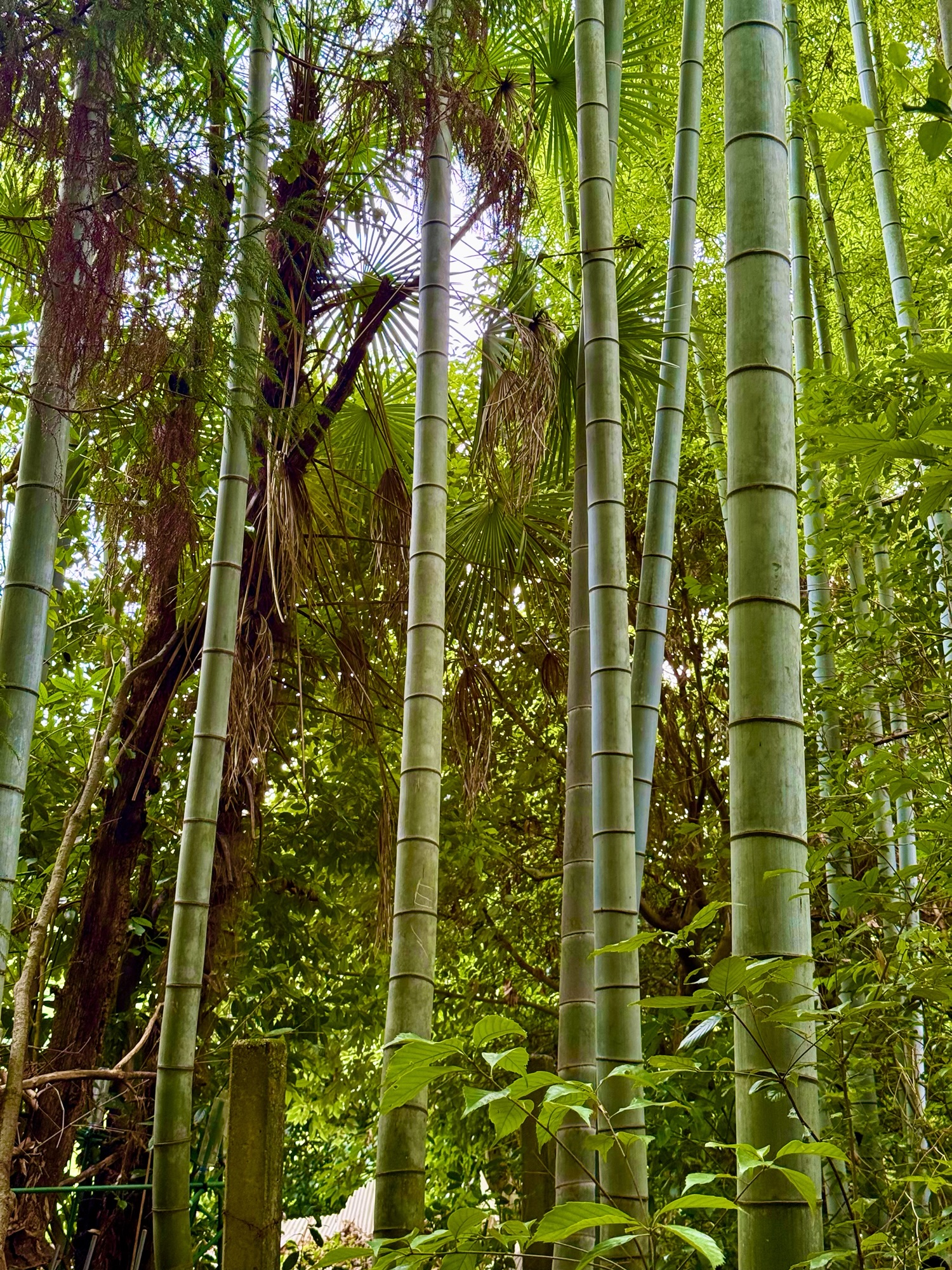
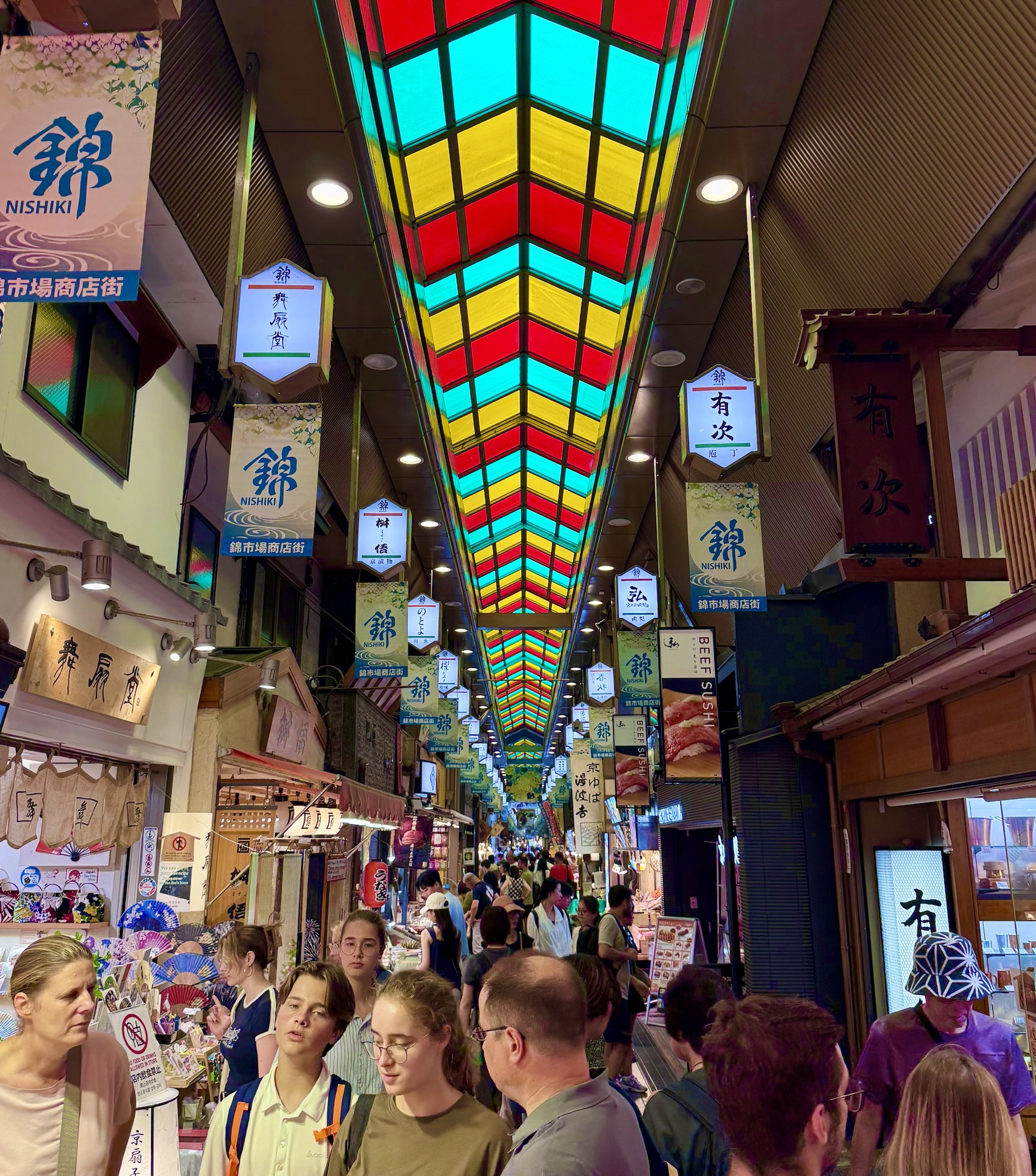
Our next point of interest was Nishiki Market, colloquially known as “Kyoto’s Kitchen” for its endless supply of food stalls and vendors of various wares. We tried custard pudding with bittersweet caramel (purin), honey ice cream with honeycomb, the viral “Dubai Chocolate” dessert, various pickles (admittedly more Paresh’s speed than mine), strawberry milk, cherry blossom sake, and breaded kobe beef skewers. This is no American farmer’s market: rules are strict regarding no eating while wandering, which Paresh discovered the hard way (is anyone surprised the pickle vendor is the stickler?). You could spend days at this market and still not see every stall—not only because of Nishiki’s sheer size, but also the compact and clandestine nature of some of the stops.
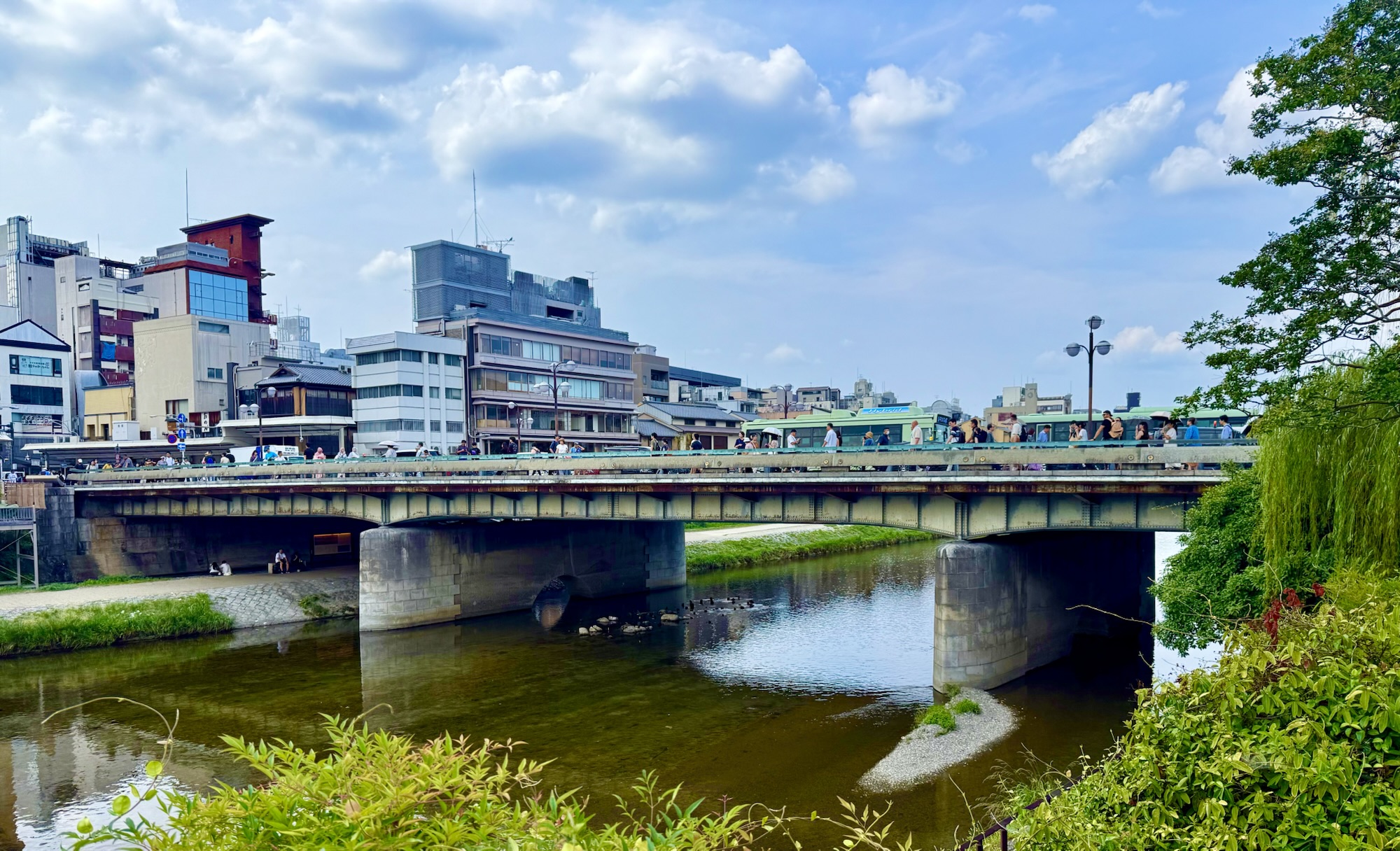
I’d been alerted by an article days before that Kyoto is the home of Nintendo, so after spending almost an entire day basking in media and entertainment dedicated to it, I thought I’d see if there were any opportunities to do more. And there was: the Nintendo Museum opened just this year with interactive exhibits documenting and celebrating the history of the console maker’s storied rise to gaming prominence. But after a carefully navigated subway route to the target, we discovered the bad news: the museum is so popular that advance tickets are required, attained via a random lottery drawing a minimum of four months before your planned visit. To say we were unprepared for the experience is an understatement of epic magnitude. Our tails between our legs, we trudged back to the subway and the open arms of Osaka.
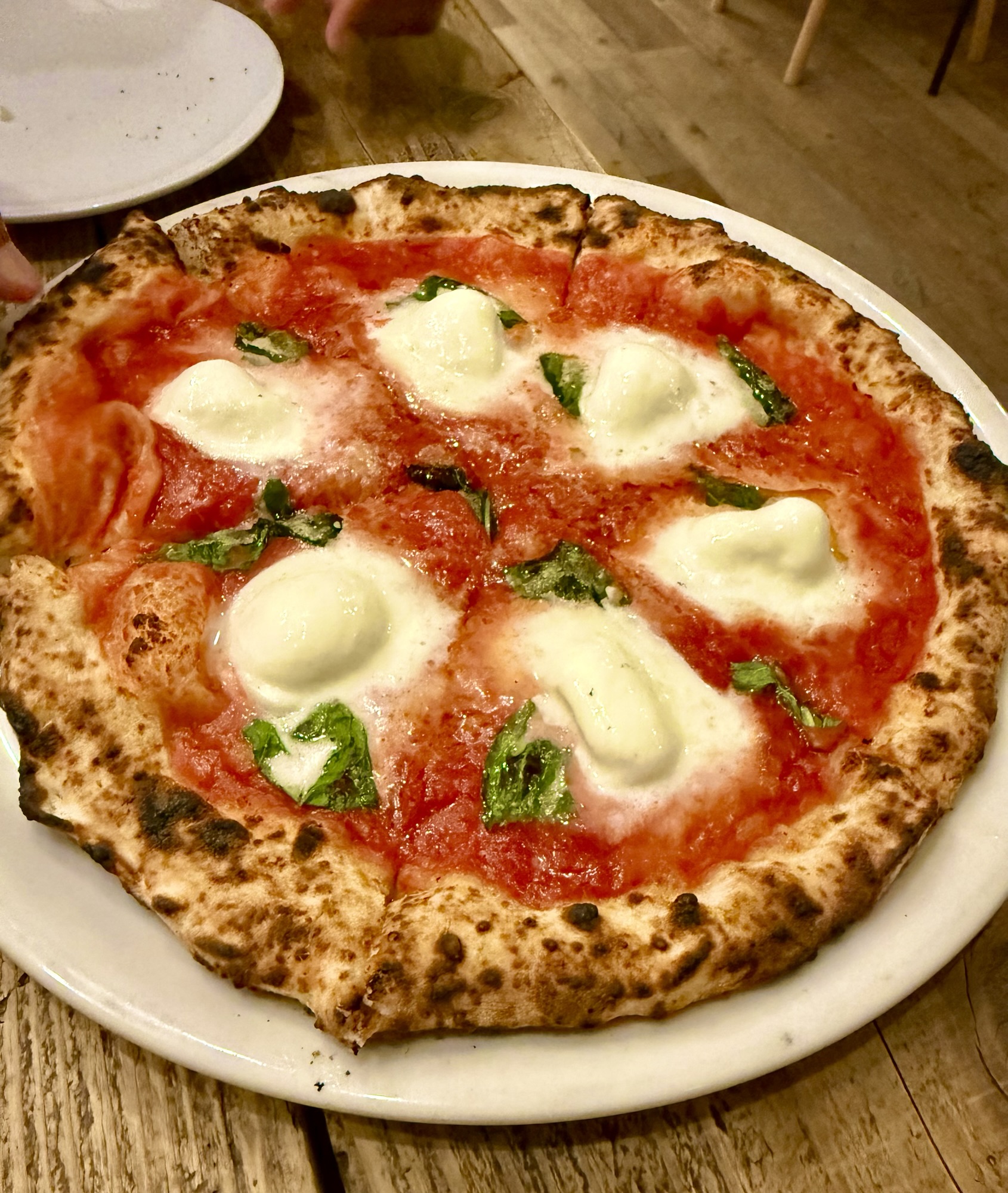
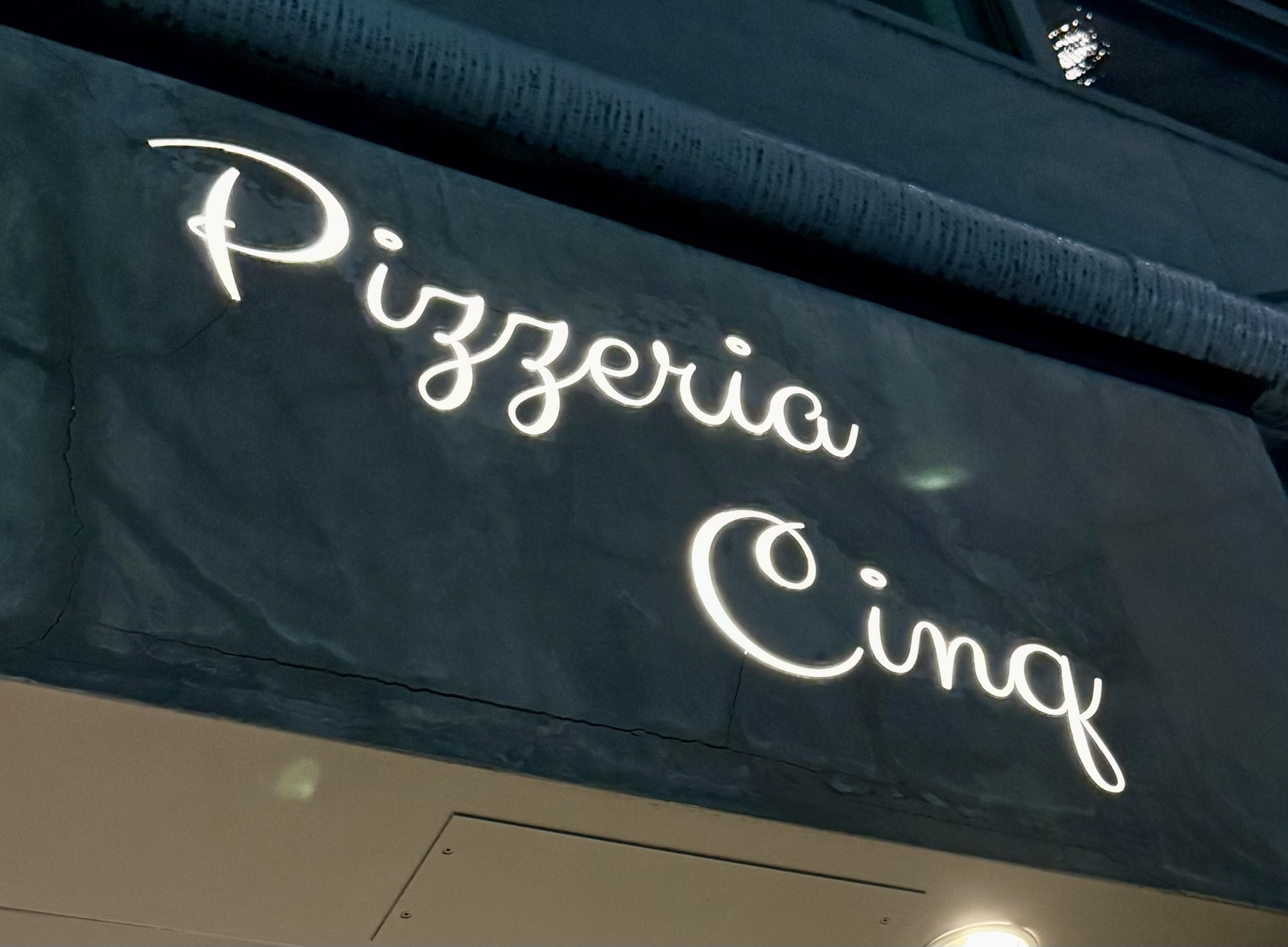
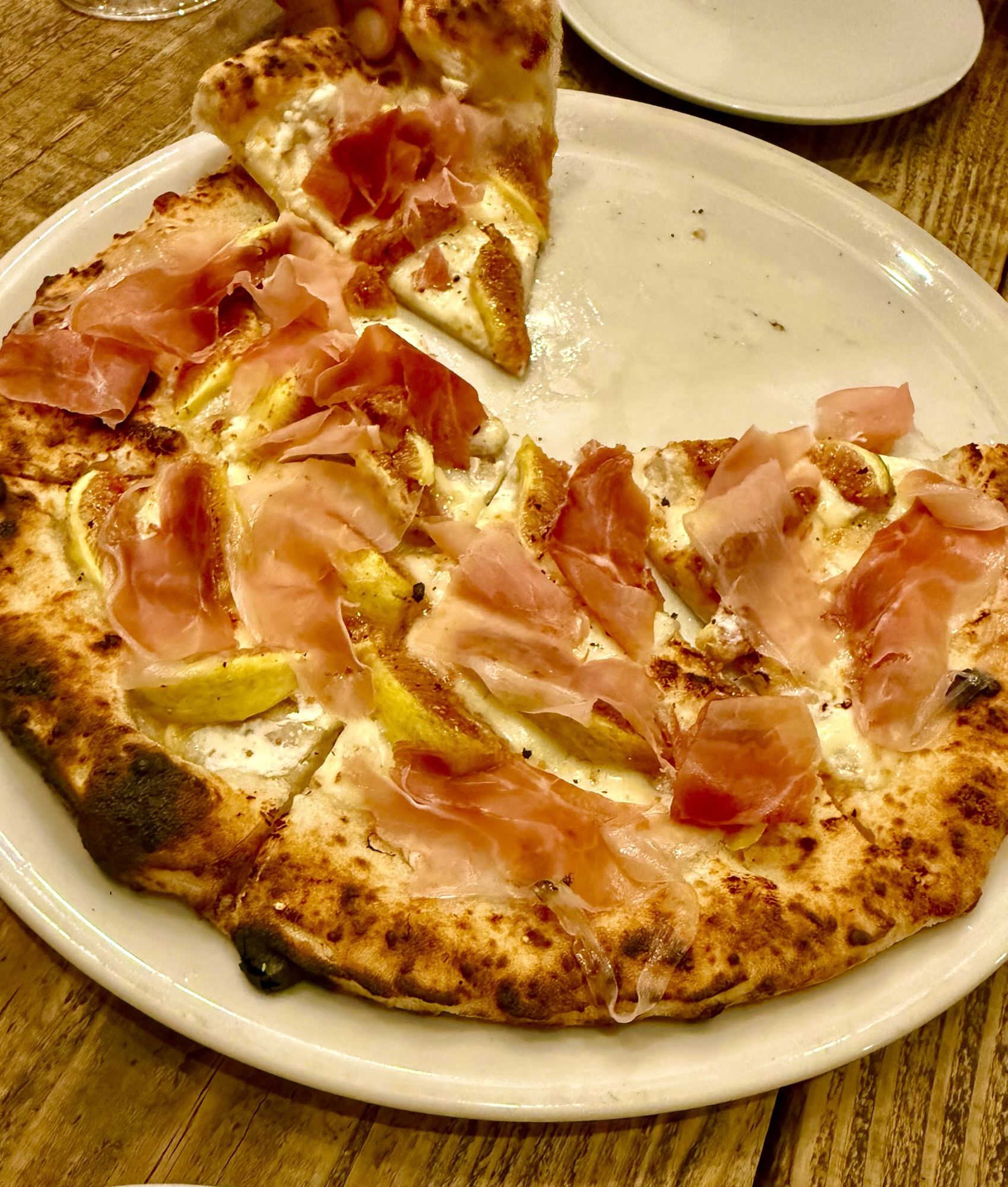
Hoping that a helping of comfort food could be a balm to our wounded pride, we explored recommendations for pizza before landing on a spot called Pizzeria Cinq, a local one-man-show with humble offerings from a gracious chef. We were greeted on arrival by a sign that declared the restaurant “booked for the evening,” seemingly compounding our bad luck for the day. But as we started to plan contingencies, the chef emerged from the building to let us know he could make room for us. We were lucky to be his final customers for the evening (indeed, visitors following us were politely informed that the place was sold out for the night). We had two of his signature pizzas and his savory take on zeppole, and all were delightful. All three were outshone, though, in my opinion, by his generosity. The chef joins a growing list of characters who have left us awestruck by the level of thoughtfulness we’ve received from everyday people we encounter.
Tomorrow will be our last full day in Osaka/Kyoto before we head north to Kanazawa and eventually back to Tokyo. We plan to spend the day amongst the deer in Nara. We’ll see what other shenanigans we get up to. I’m off to press refresh on these Nintendo Museum tickets one… more… time…
 Where the Waterfalls Mean Home