
Today’s festivities took a little longer to get rolling because both of us seem to be a little under the weather. It’s nothing too serious, but when you’re in a different country and the conditions have been so relentless, it is important to listen to your body and take time to ease into things when necessary.
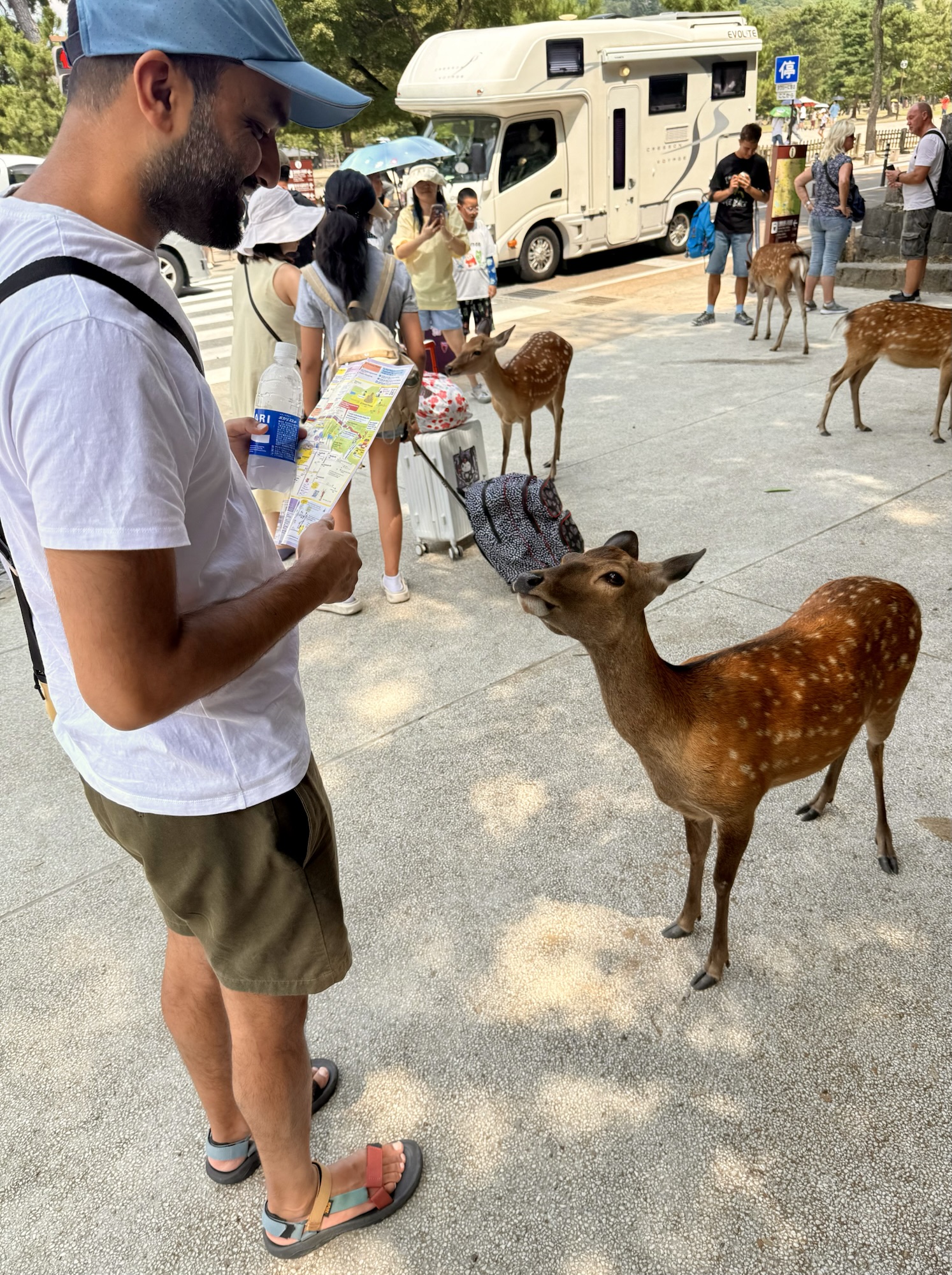
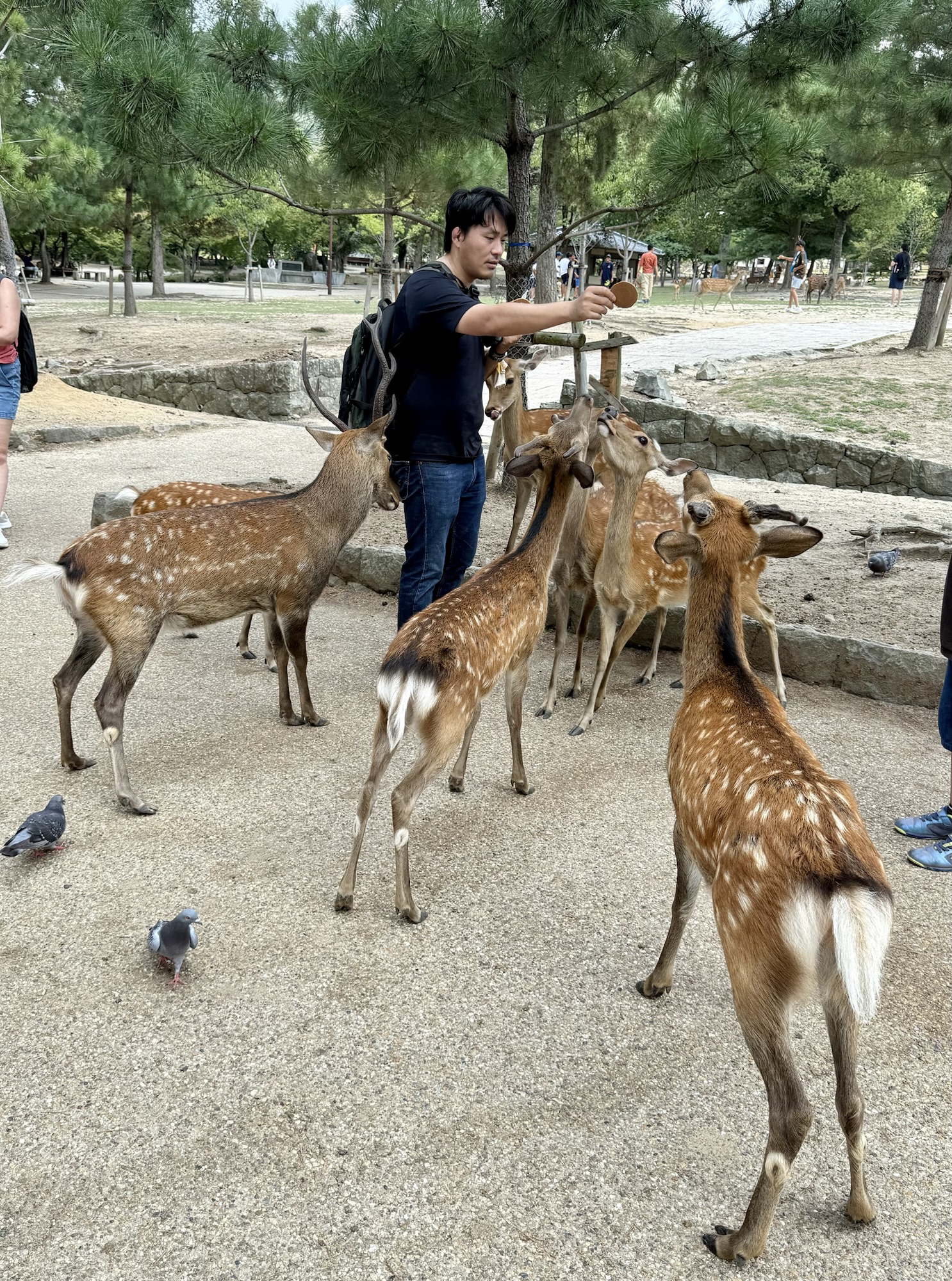
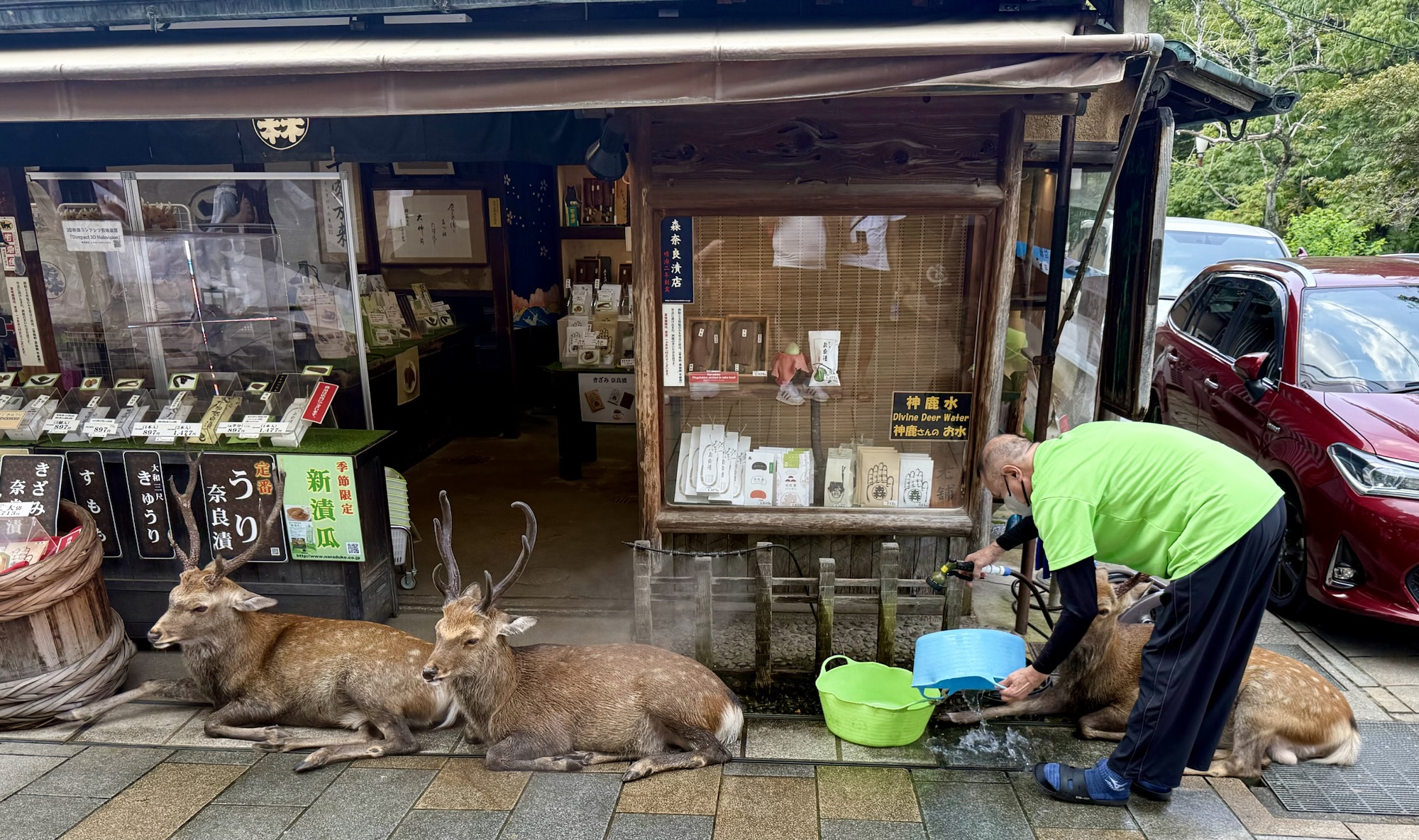
Our last full day in Osaka started with a short jaunt to nearby Nara, formerly the capital city of Japan during the eighth century and contemporarily most famous for both its giant statue of the Buddha located at one of its many temples and also its central park where scores of deer roam alongside visiting tourists. Visitors can fork over a small amount of yen to acquire a stack of crackers for feeding the eager ungulates, but the purchase comes with the unintended side effects of their riled appetites. The resident deer may be famous for their cute looks, but certainly not for their patience or manners, the lack of which manifests in pushy behavior and nibbled backpacks and fingers. We elected to forego the feeding frenzy and admire the spectacle from a comfortable distance.
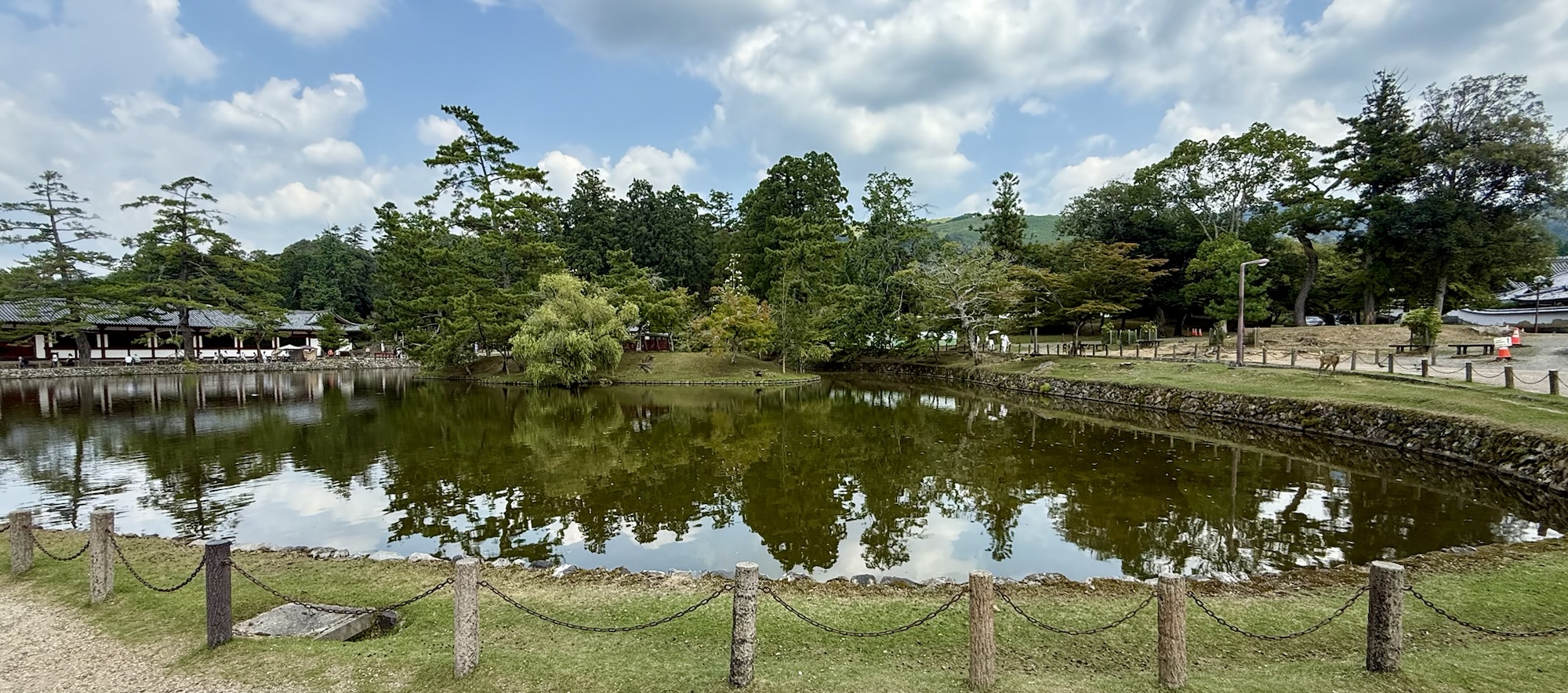
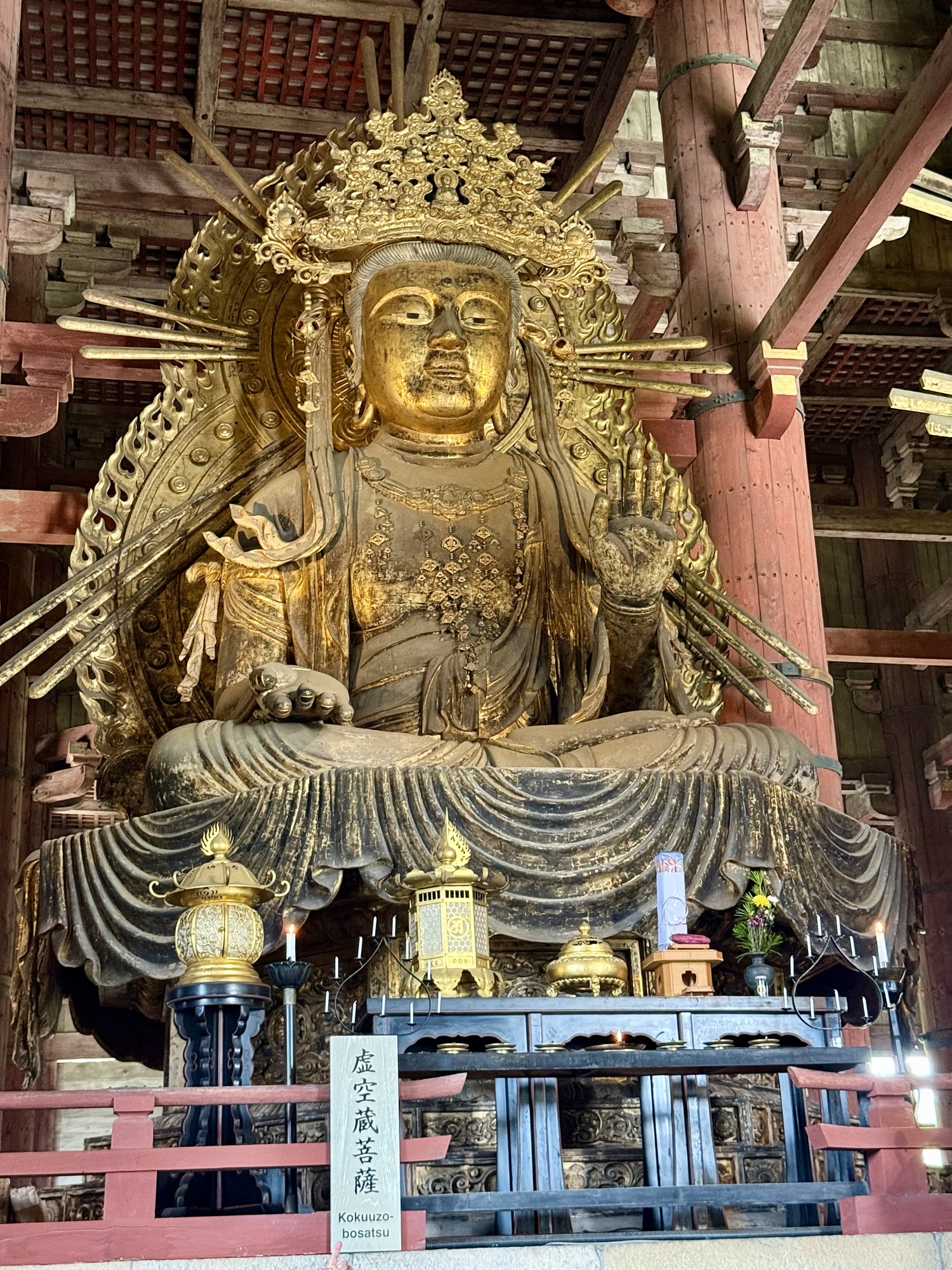
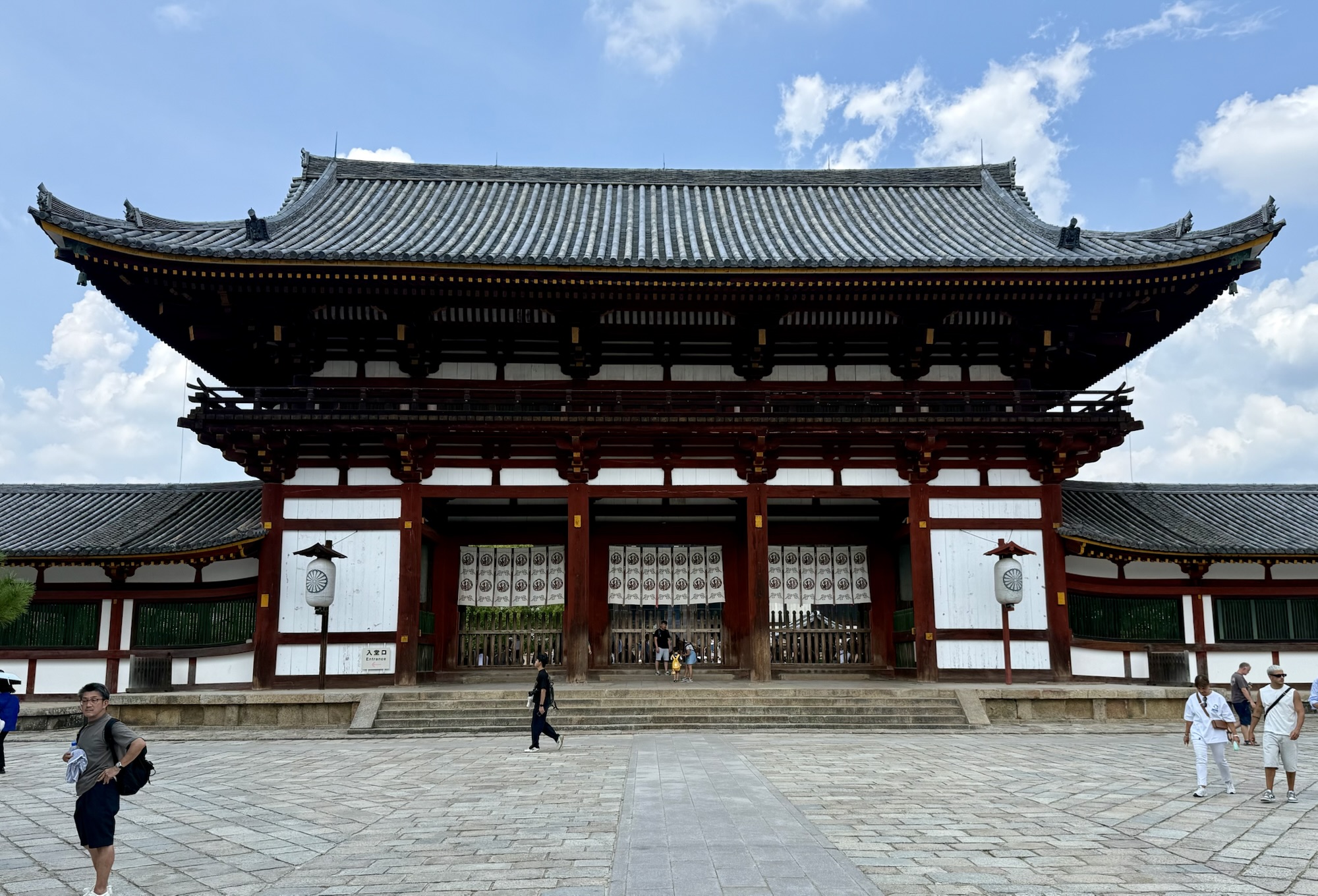
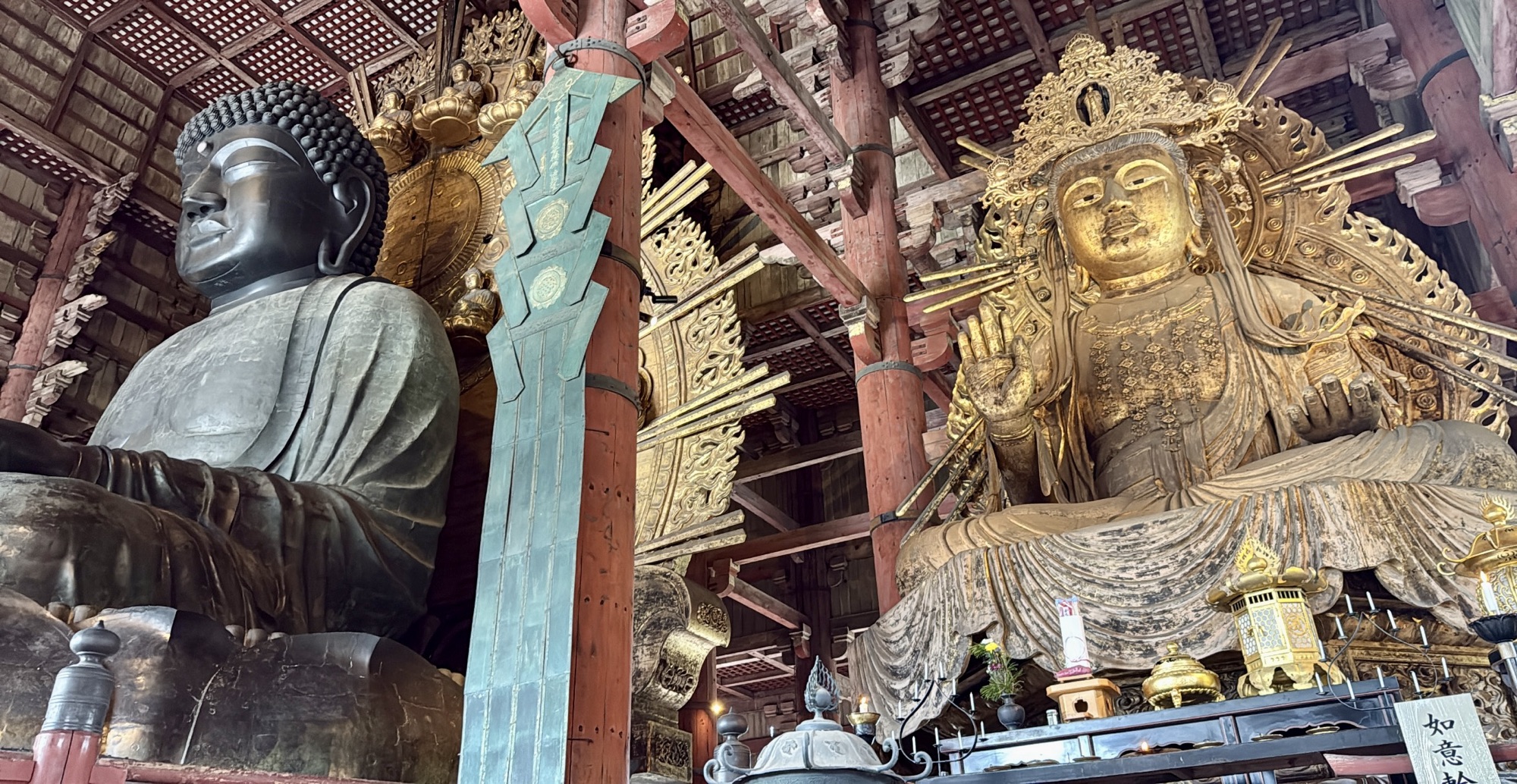
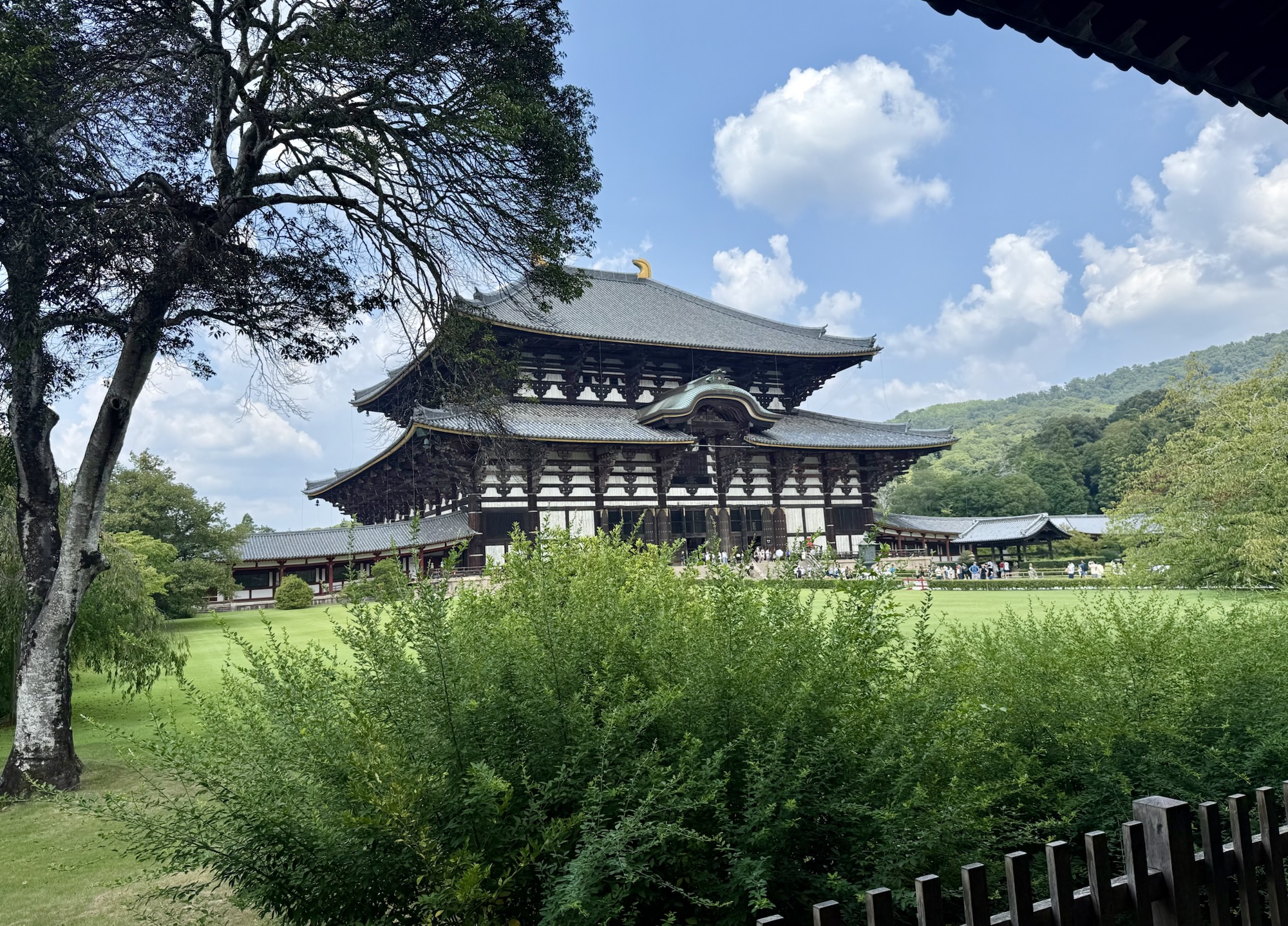
Deeper into the park, Tōdai-ji, Nara’s most prominent temple and a UNESCO World Heritage site, houses a great statue of the Buddha that towers above the foyer at a height of 50 feet. Strikingly, one bit of information we learned from an exhibit in the nearby museum—and my brief internet research verifies this—is that over 2.6 million people were involved, directly or indirectly, with the construction of the temple and the statue inside, accounting for nearly the entire population of Japan at that time. Contributions came in the form of materials, crops, physical labor, food production, masonry, and the list goes on. It was difficult not to reflect on the weight of history inside that hall, even if the temple itself has undergone multiple reconstructions due to fire and wartime damage over the centuries.
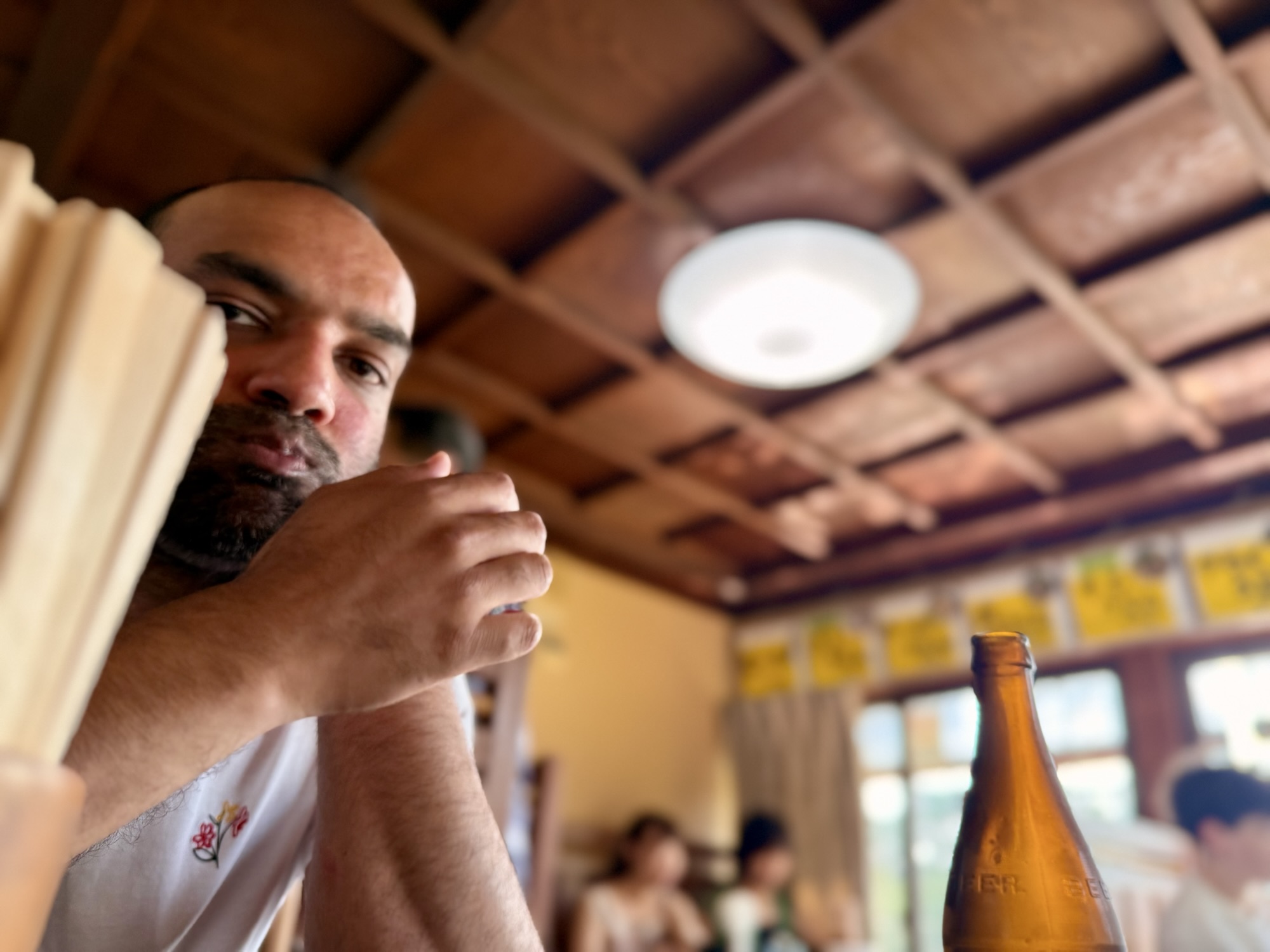
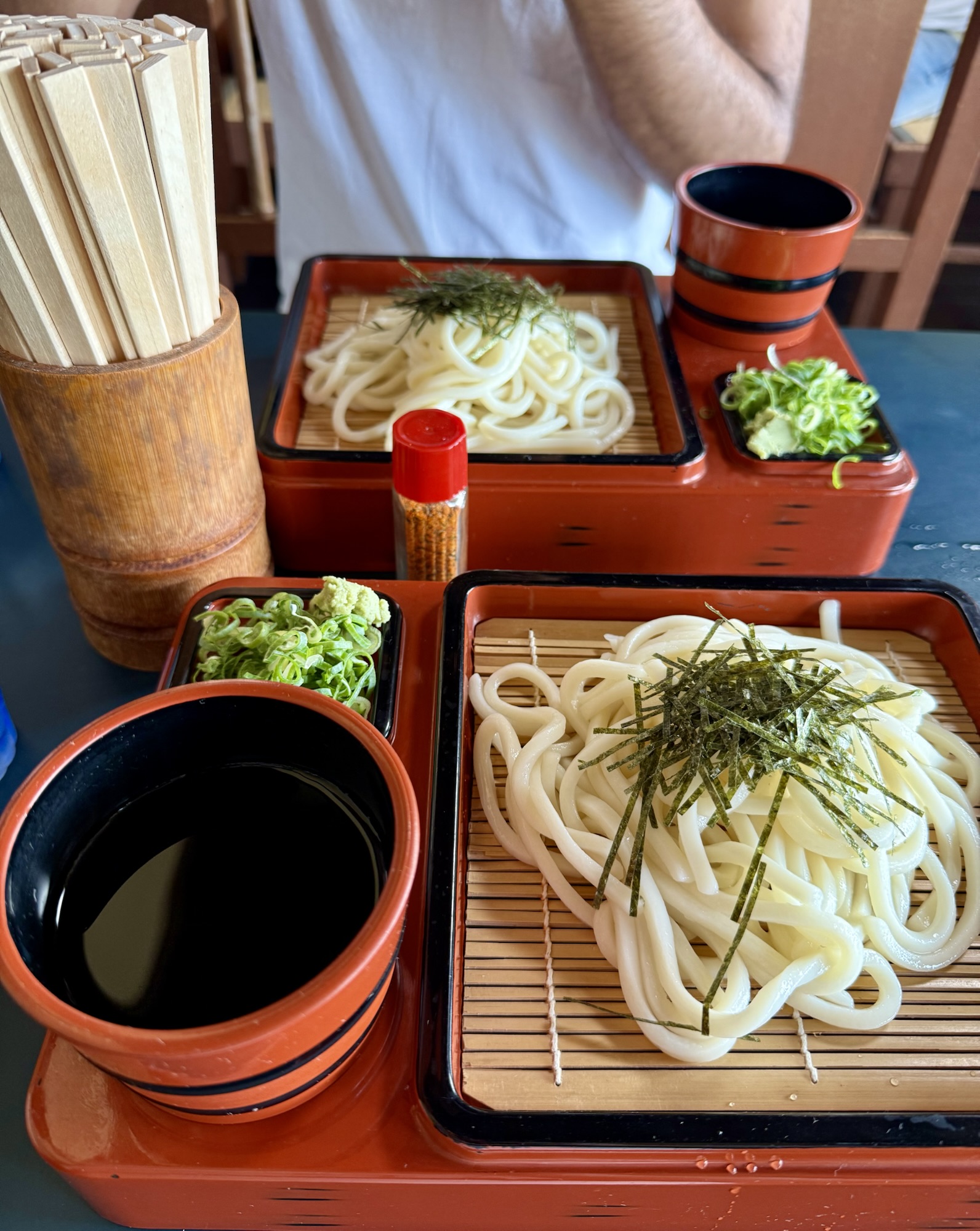
A meal we hadn’t yet managed to pin down in Japan was any kind of noodle situation, whether it be ramen, soba, udon, or anything of the like. We fixed that in Nara, although it took us more than one adjustment to our plans to do so after our first choice ended up being sold out for the day. Cold udon noodles dipped in a salty broth were the perfect companion on this hot day; we had considered trying persimmon leaf sushi, which I understand is something of a Nara specialty, but with our stomachs on the struggle bus, it felt like a bit of a gamble.
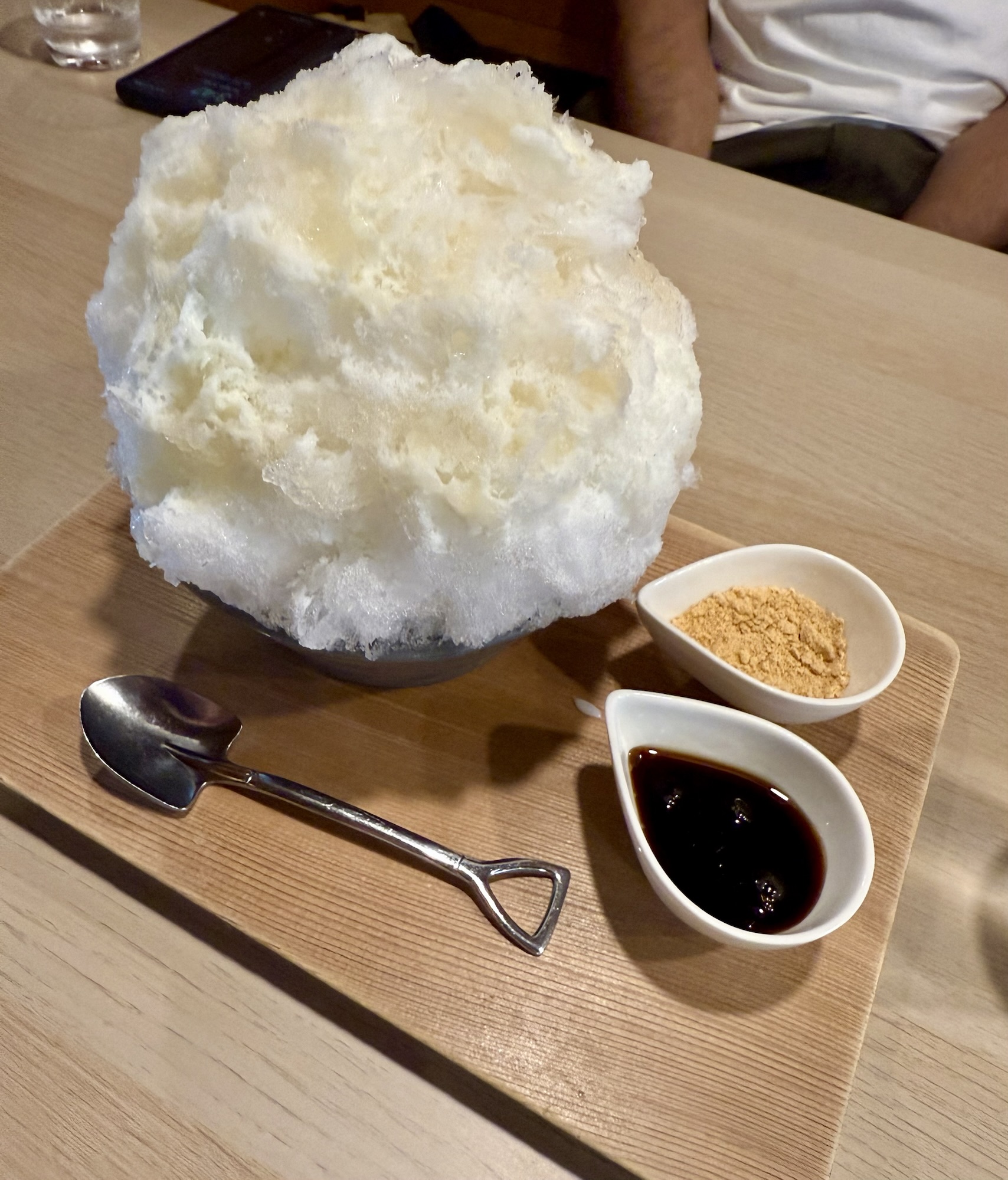
Before retracing our steps to Osaka, we decided to grab some kakigōri from a small, local shop to further cool off and rest our legs. Mine featured kinako, an ingredient to which I’ve taken a rather strong liking on this trip. It’s a roasted soybean flour that is often used as a topping or a coating, similar to how we would use powdered sugar to finish lemon bars, for example. Kinako has a roasty, nutty, yummy flavor that goes well with some of the deeper, richer flavors that are common here, like buckwheat, molasses, and soy.
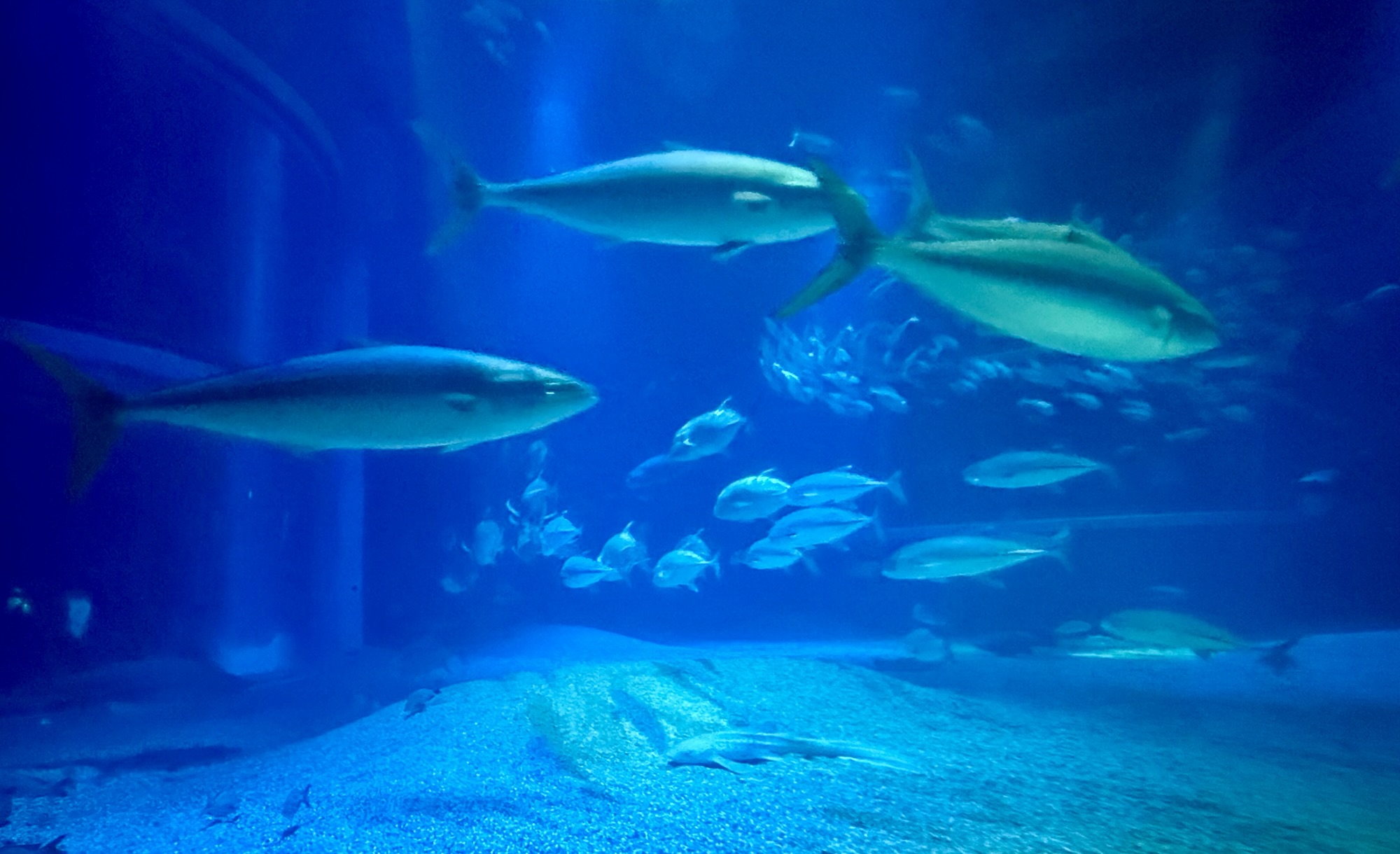
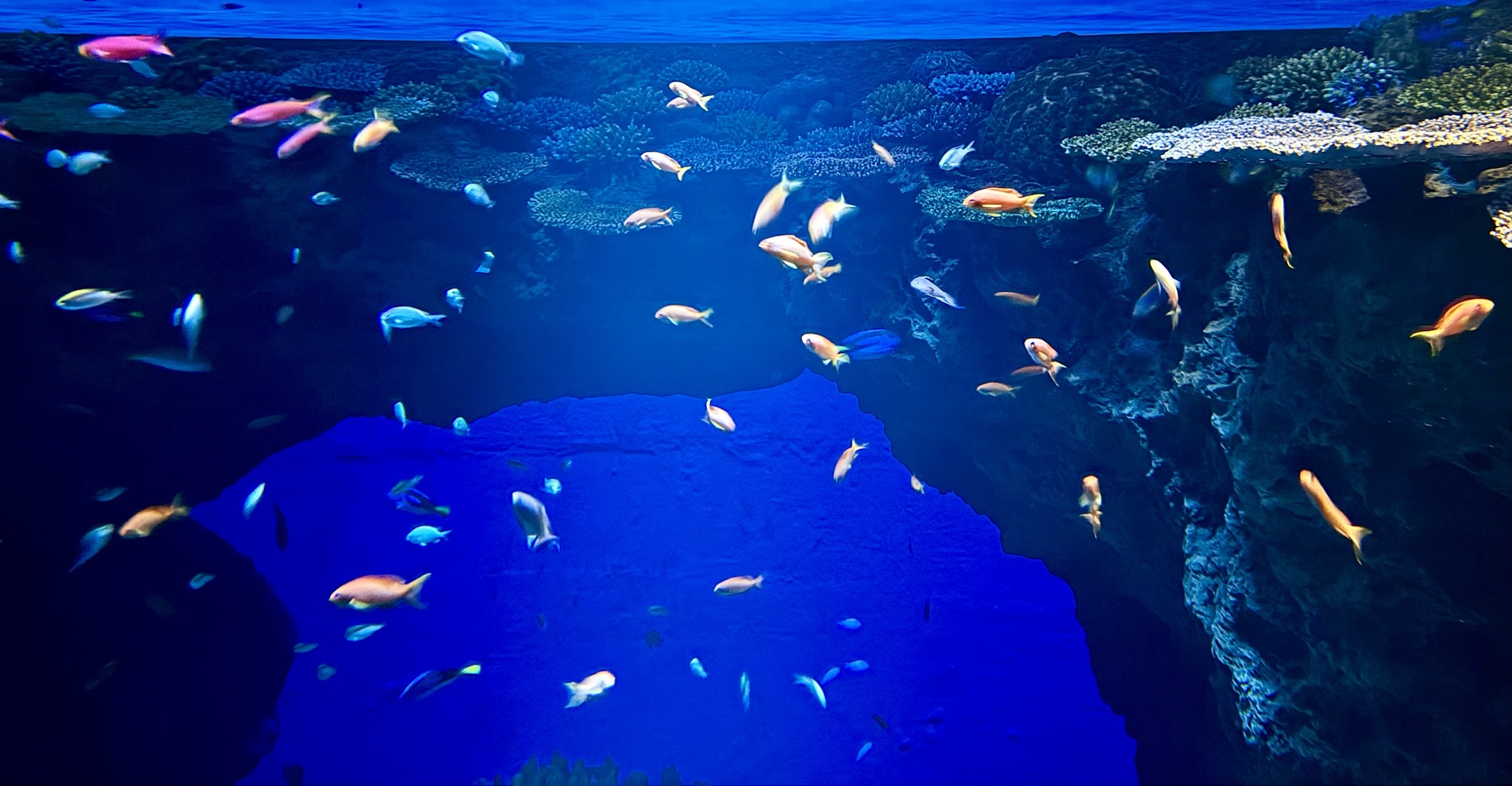
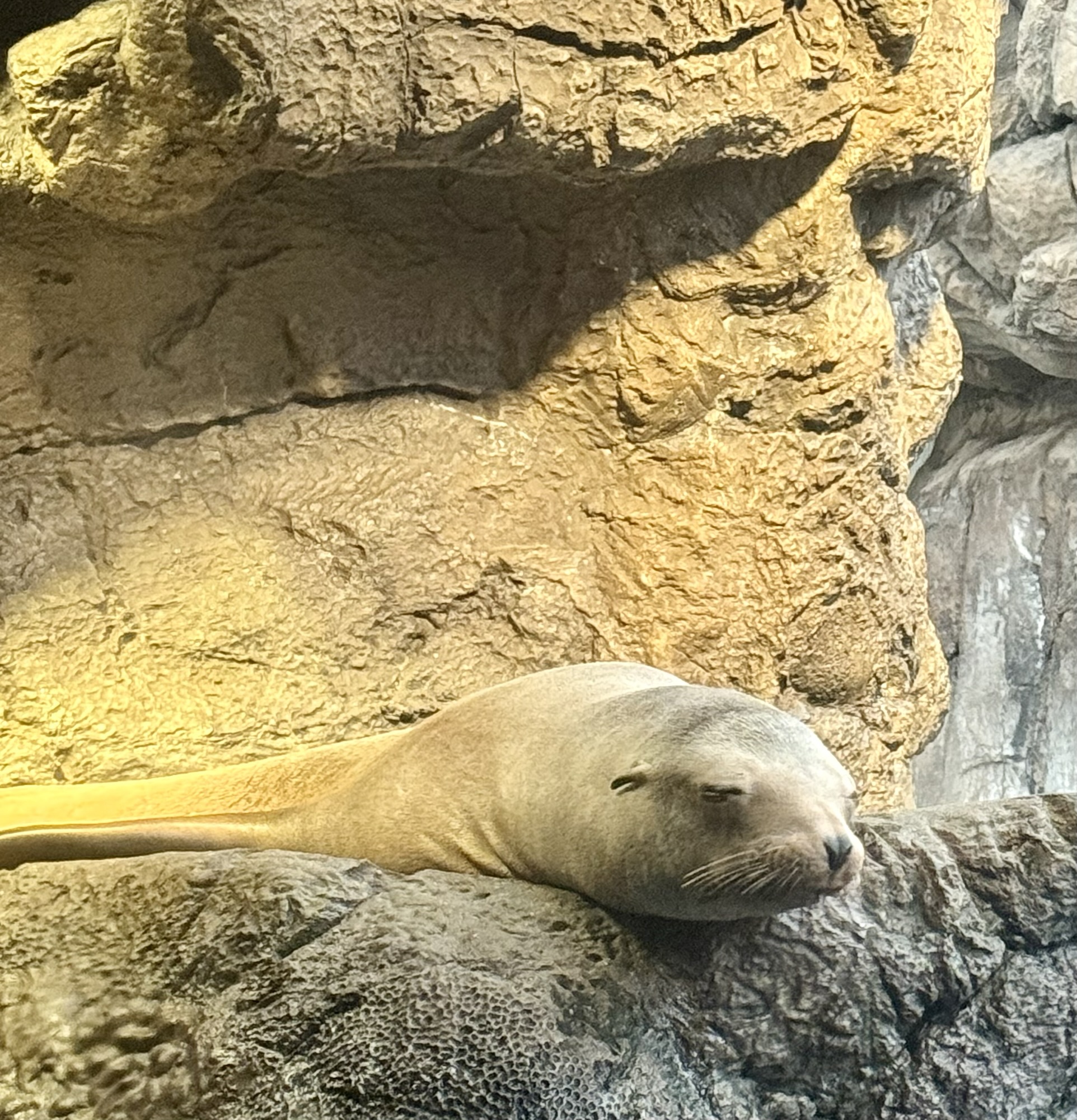
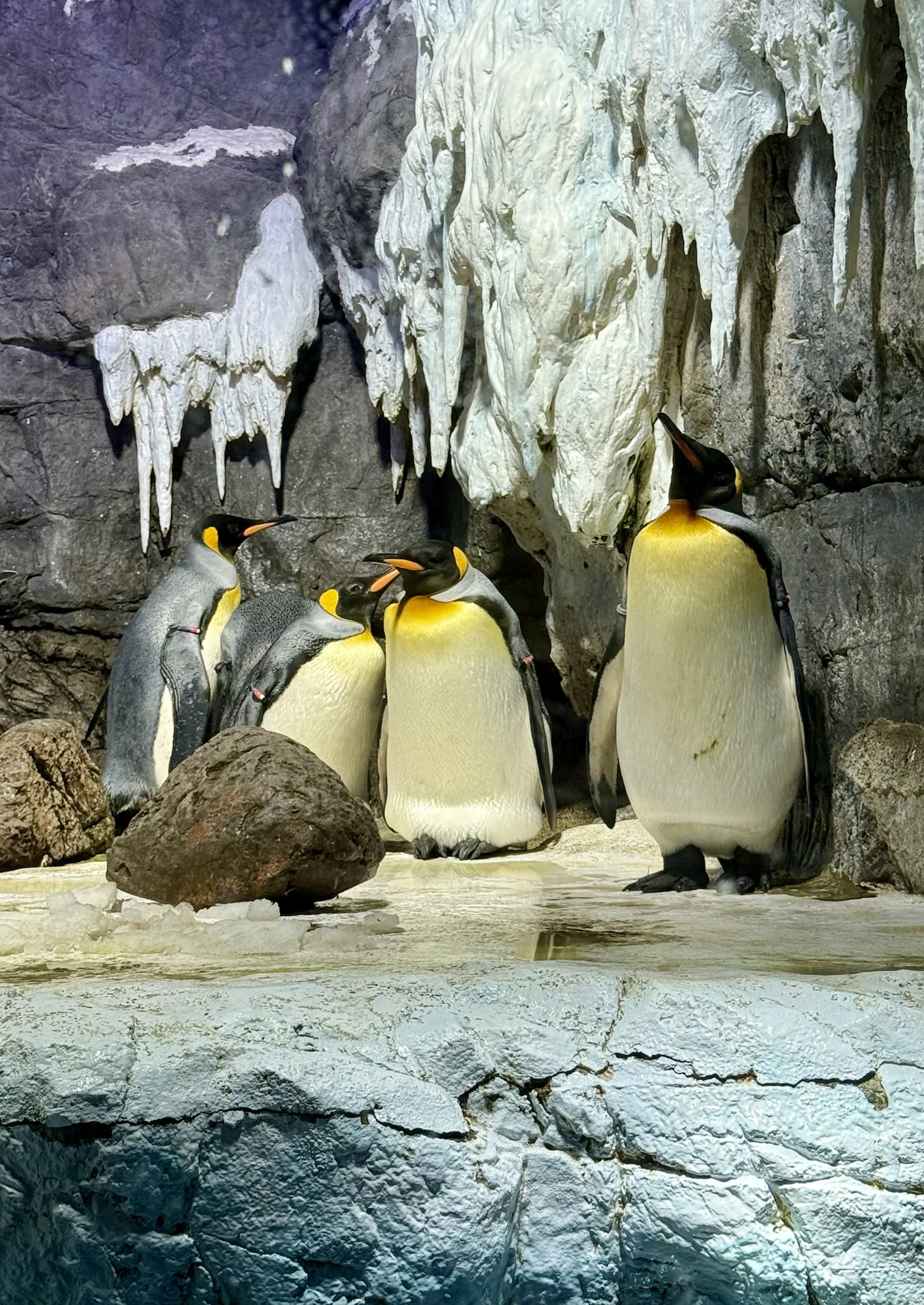
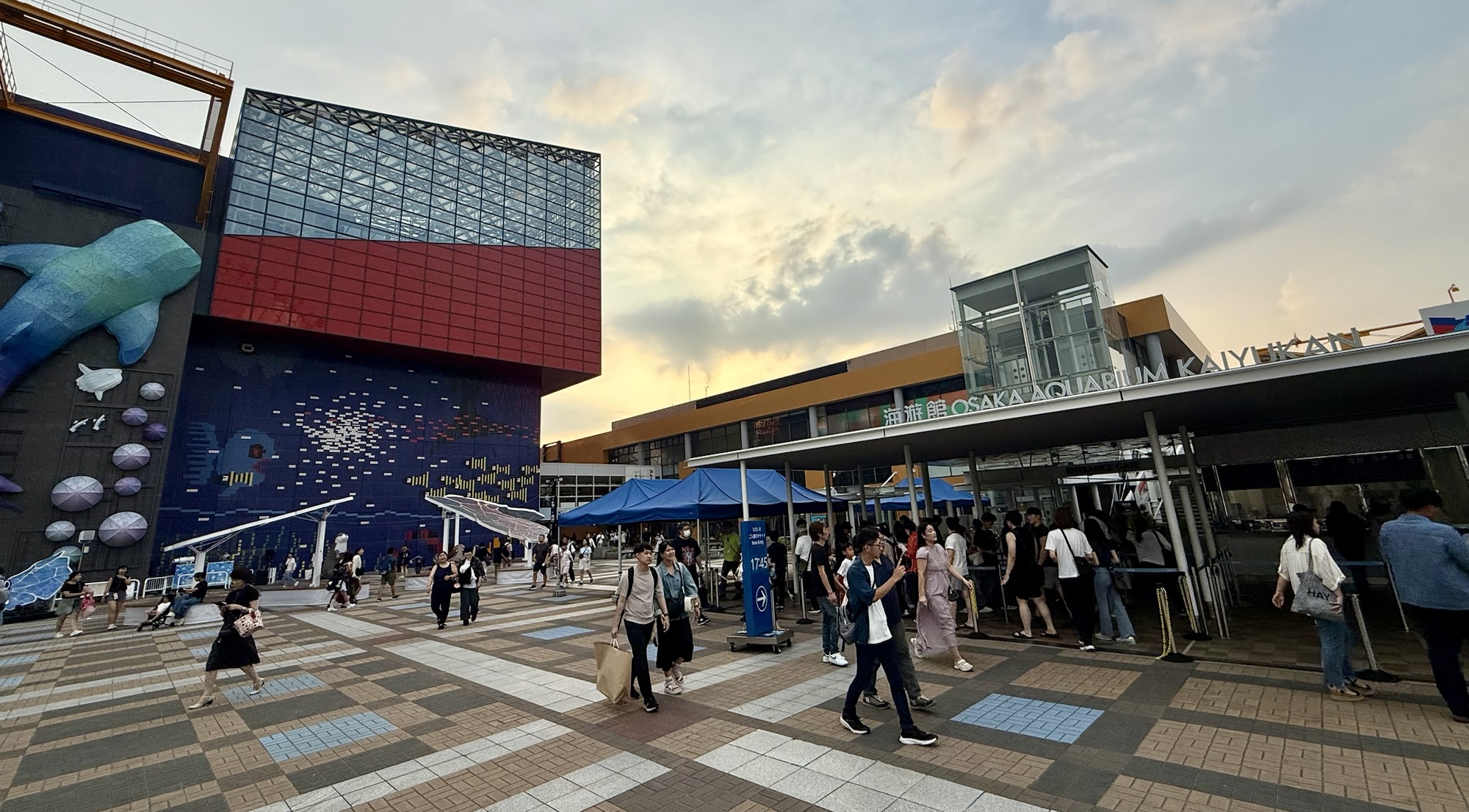
Around midday, Paresh and I chose to divide and conquer so that he could get some rest and recuperation. I ventured off for one last attraction in Osaka before we move on to our next destination. Kaiyukan, or the Osaka Aquarium, is one of the largest aquariums in the world with a unique construction quirk that routes guests through multiple side exhibits while simultaneously keeping them tethered to views of the massive central tank that houses several species of sharks, manta rays, large fish, and over 7.5 million liters of water. The aquarium has a multifaceted approach to spreading awareness about climate change and its effects on the ocean, encouraging guests to reflect on the ways in which we as a species can bend the curve away from our current doomsday trajectory.
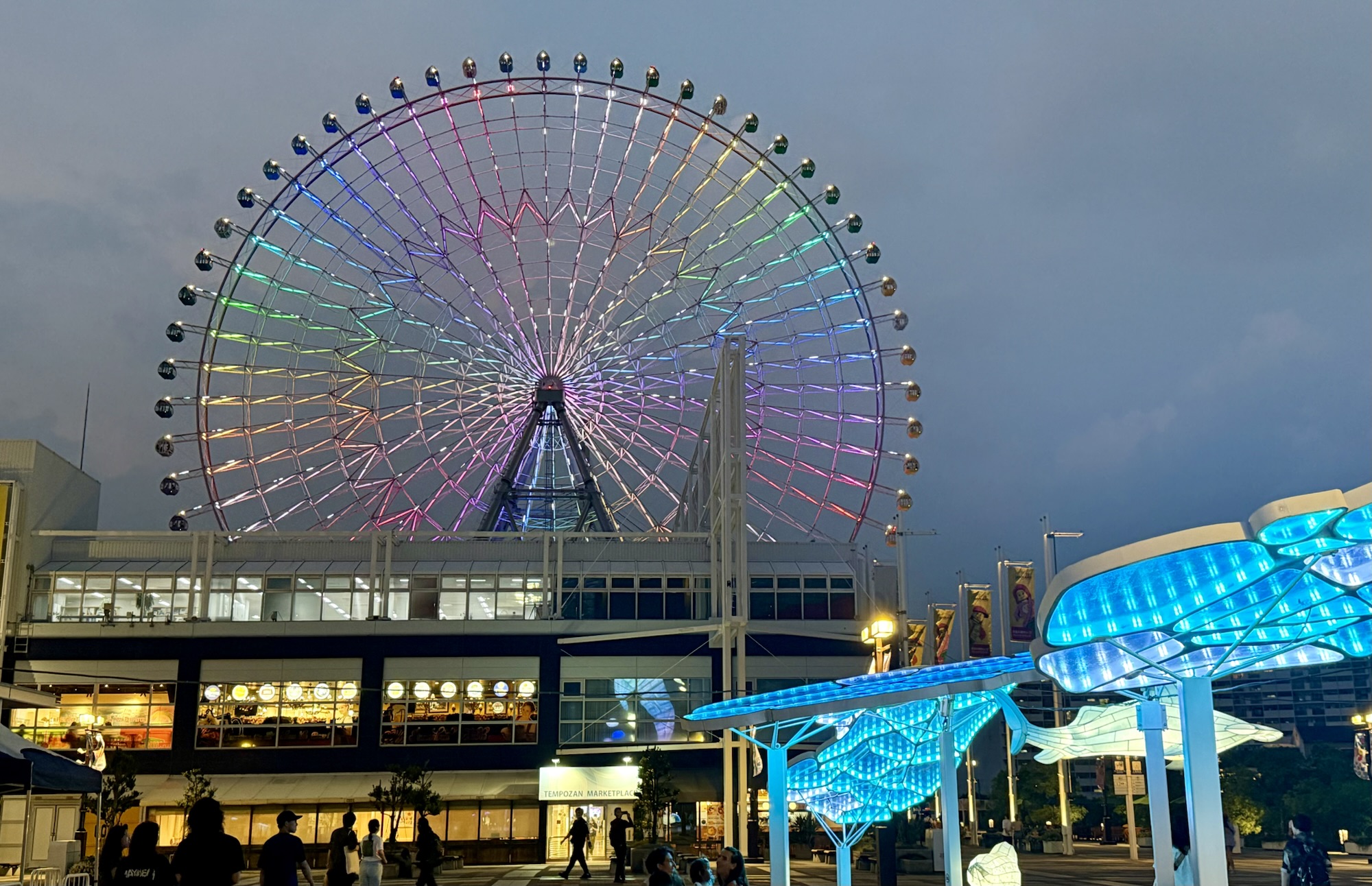
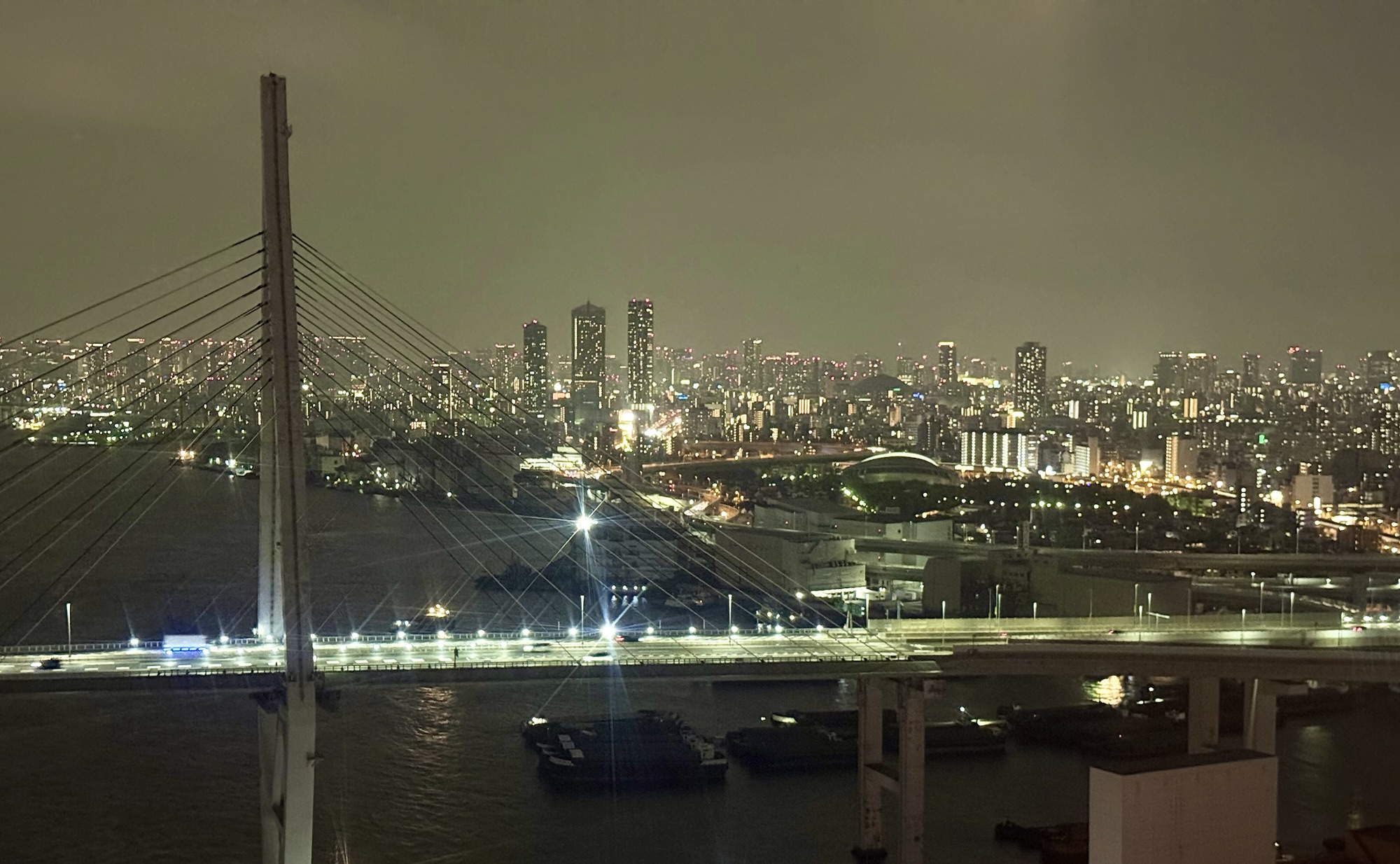
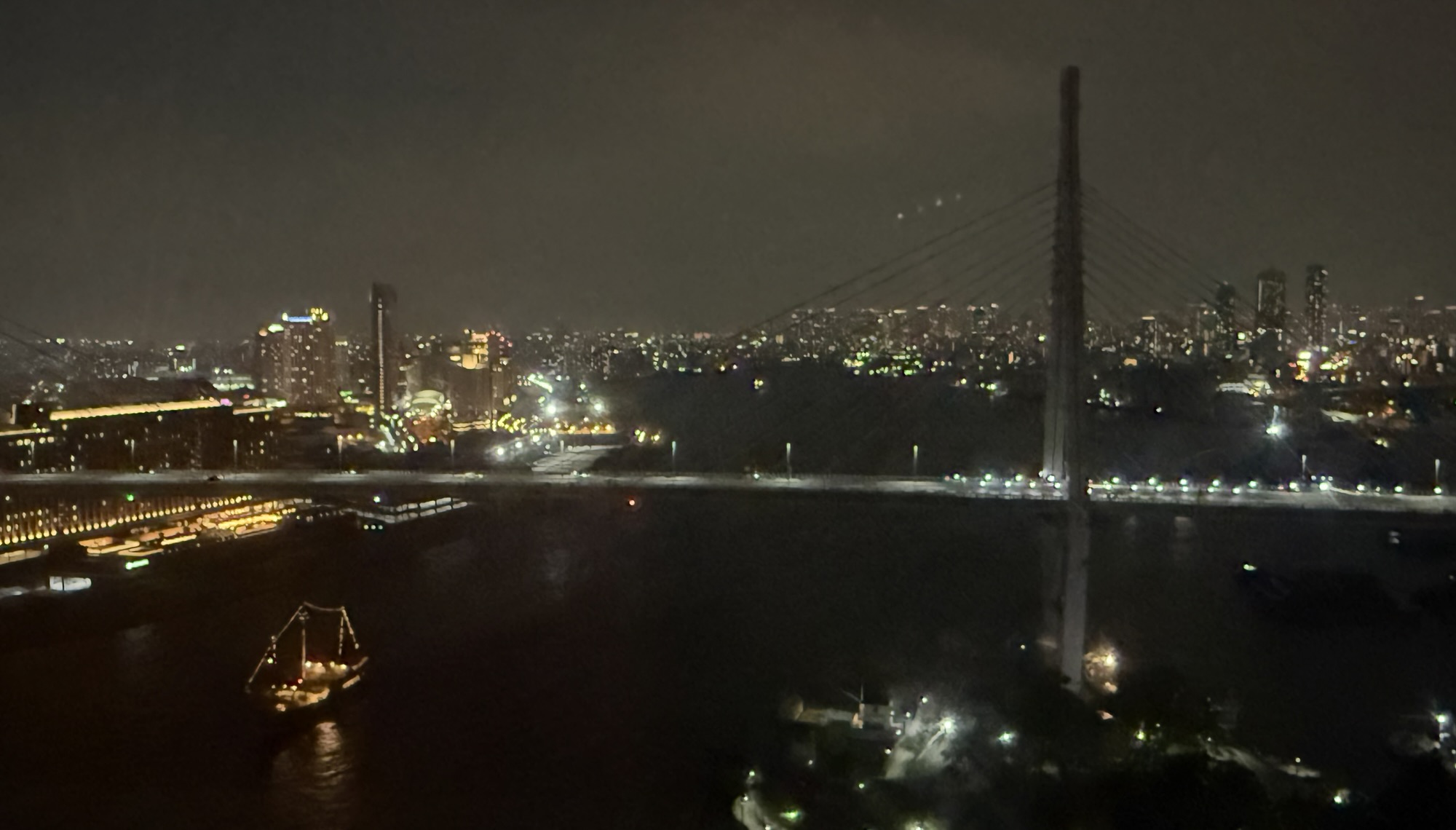
As I readied myself to make for the subway back to the Airbnb, I spotted the flashing lights of the Tempozan Ferris Wheel, which demanded my attention. At the time of its opening in 1997, Tempozan was the tallest ferris wheel in the world, and while it has since been eclipsed by a few others, its visage nonetheless looms breathtakingly large. I swallowed my nerves and rode to the top, taking in views at the apex that one usually only sees when coming in for landing on an airplane. Osaka is dazzling at nighttime, and I am glad I got to witness it from on high before our time here comes to an end.
Tomorrow brings possibly our most challenging transit puzzle yet of DKC2025, packing a short visit to Himeji Castle and our relocation to Kanazawa to the north all in the same day. But we’ve become confident in our navigation skills, and as long as we can manage the storage and handling of our luggage, I trust we will be fine. Thank you for everything, Osaka. We’ve had a wonderful time here and made some unforgettable memories.
 Where the Waterfalls Mean Home