
It has been a pleasing discovery that specialty coffee appears to be thriving in Japan. The country is home to several world-class competitors in coffee artistry, there are a variety of modern brewing methods that see a lot of airtime, and many if not most of the cafés we have visited are roasting their own selections of beans that are just as good as any I can find in the U.S. But one place (direction?) we haven’t been able to travel yet is back in time. But today, our morning started at Kaikodo Sakae, where the owner, Sakae-san, has been brewing coffee with time-tested techniques for over 45 years. The pride and joy of his shop is his over-100-year-old hand crank grinder dating back to the Taishō era that is responsible for every cup of coffee he has served to customers across over four decades. His meticulous craftsmanship is obvious in each cup he prepares, which he finishes with what we believe were chunks of rock salt. My only regret is that we don’t have pictures by which to remember the encounter, but his shop was so quaint and engaging that it felt like to focus on photography would have been a betrayal of the experience.
Paresh and I have both commented multiple times on this trip about the plethora of seemingly tiny, out-of-the-way businesses that receive little foot traffic, whether as a result of location, an overly specialized niche, or both. I do not know enough about commerce and business in Japan to know what the difference is, but several of the shops we have visited here are businesses that I am certain would have failed—swiftly—in the United States, but they have in some cases survived (thrived?) for decades in Japan. It warmed my heart to see that Sakae-san has operated his six-chair counter café doing what he loves—serving coffee to people—for 45 years, and that Fumiaki Nozato has operated a bar serving storytelling, high-concept specialty coffee cocktails since the early 2010s. And that is only to name a couple of the many we’ve come across. Of course, our single one-hour visit to each is not enough to form an understanding of the arcing timeline of their passions’ ventures, but it certainly was enough to raise many questions and curiosities.
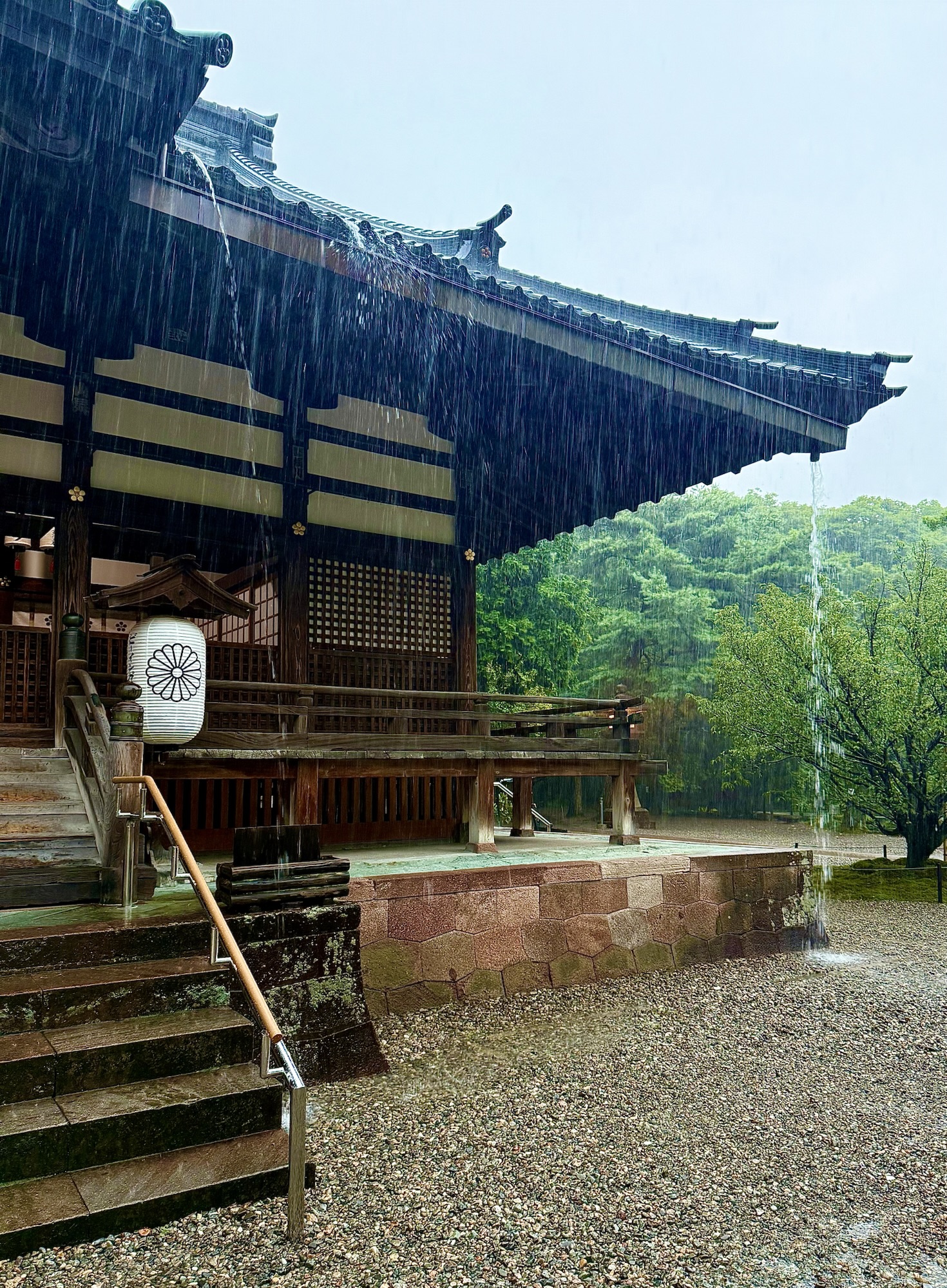
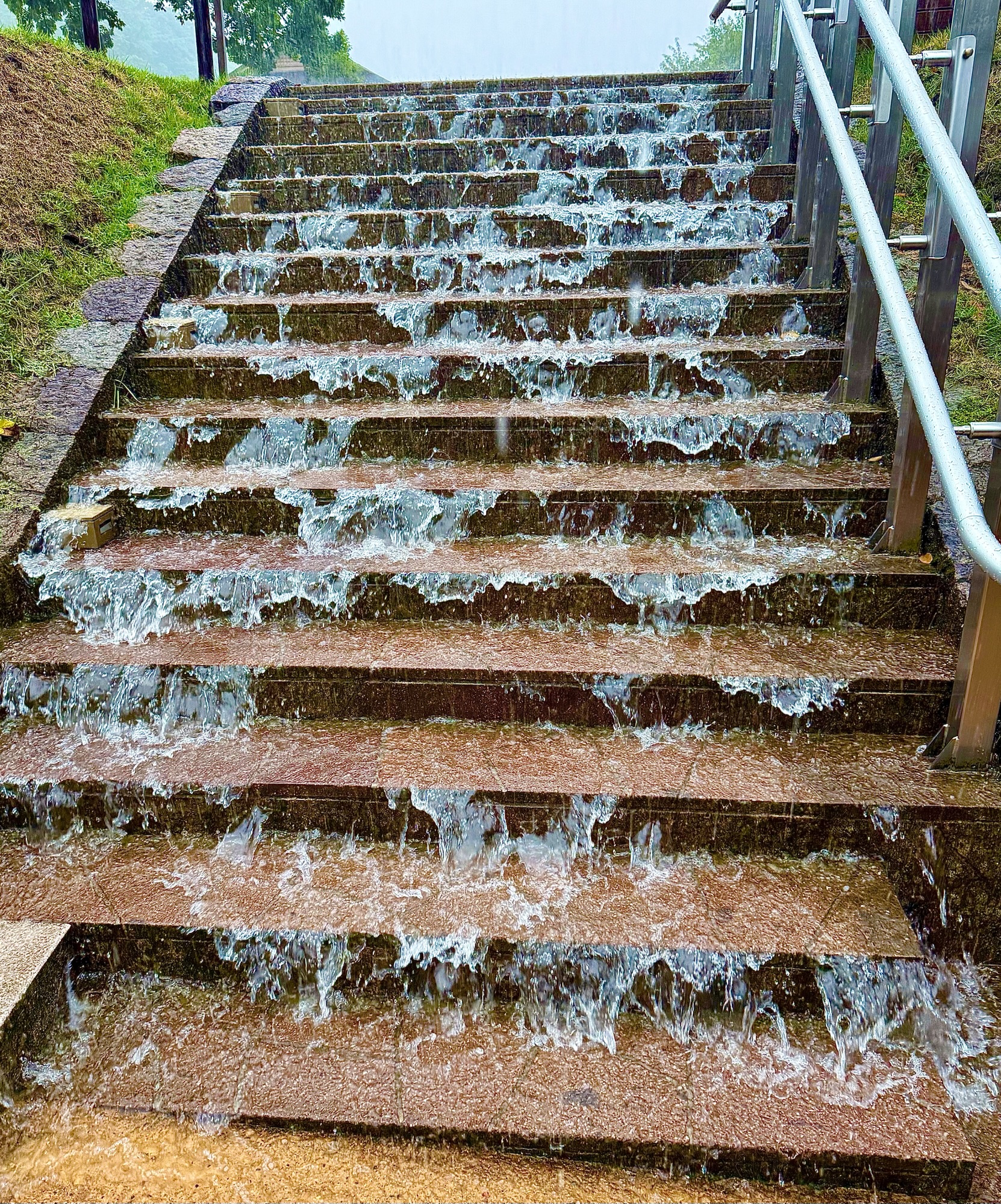
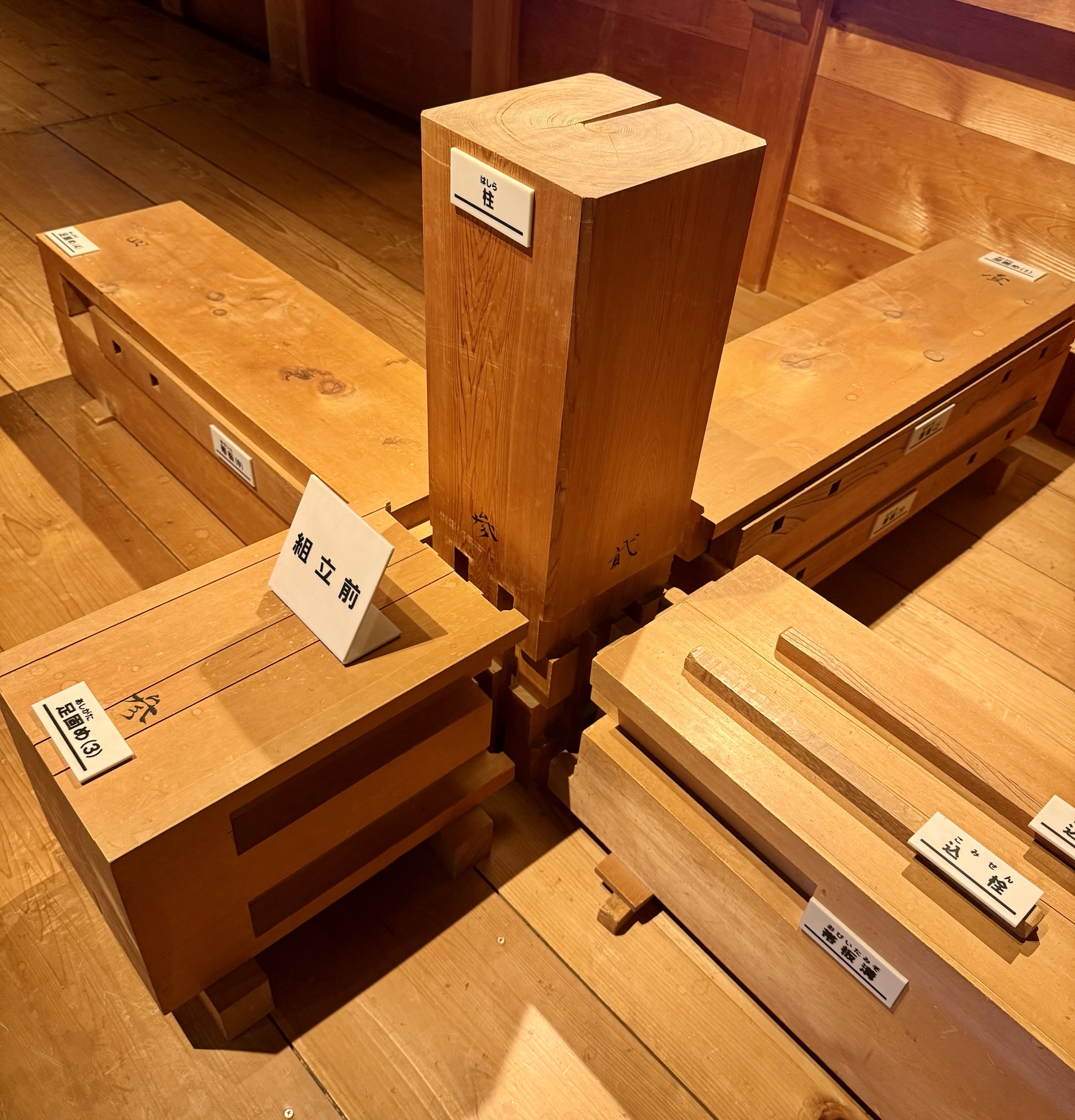
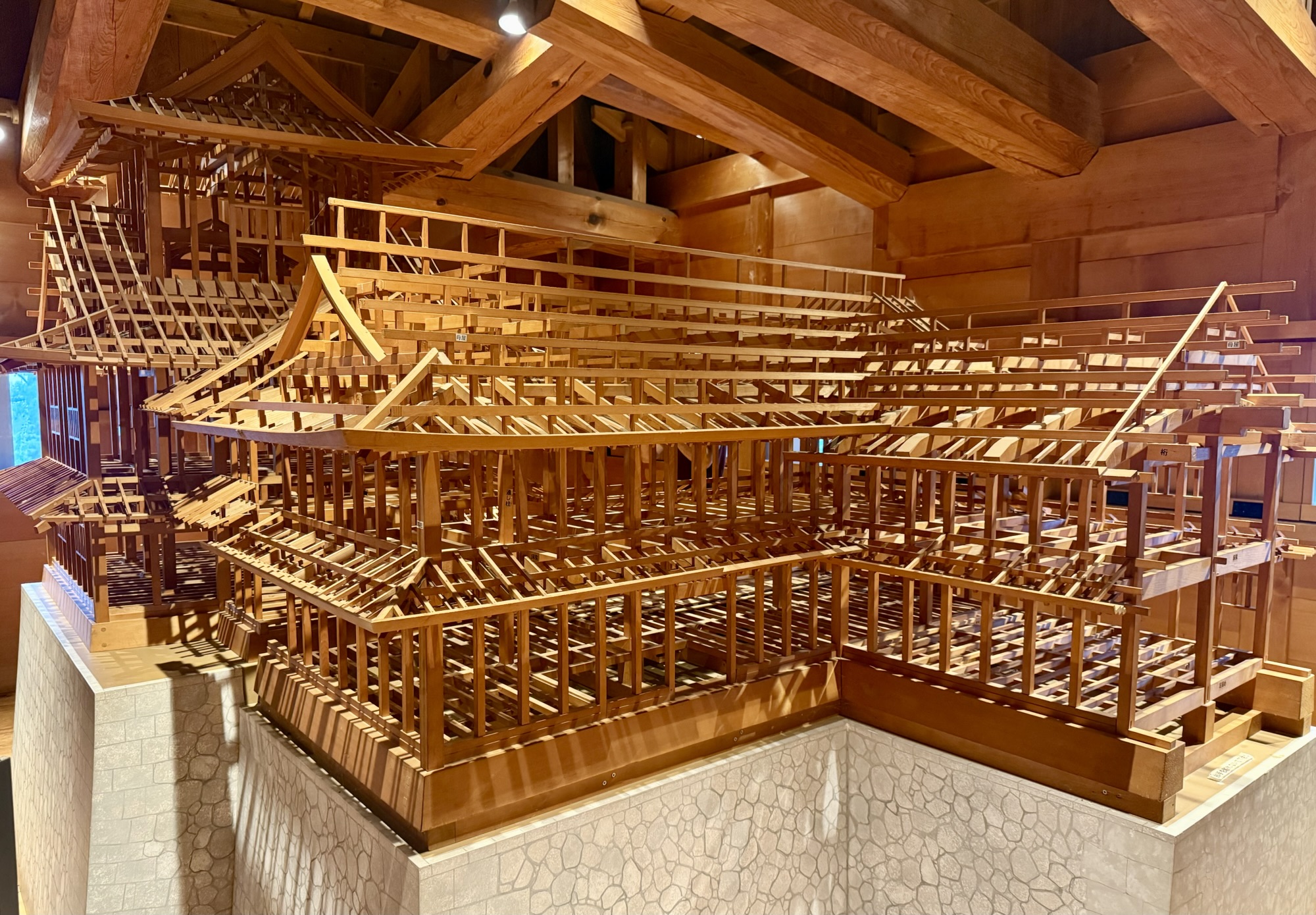
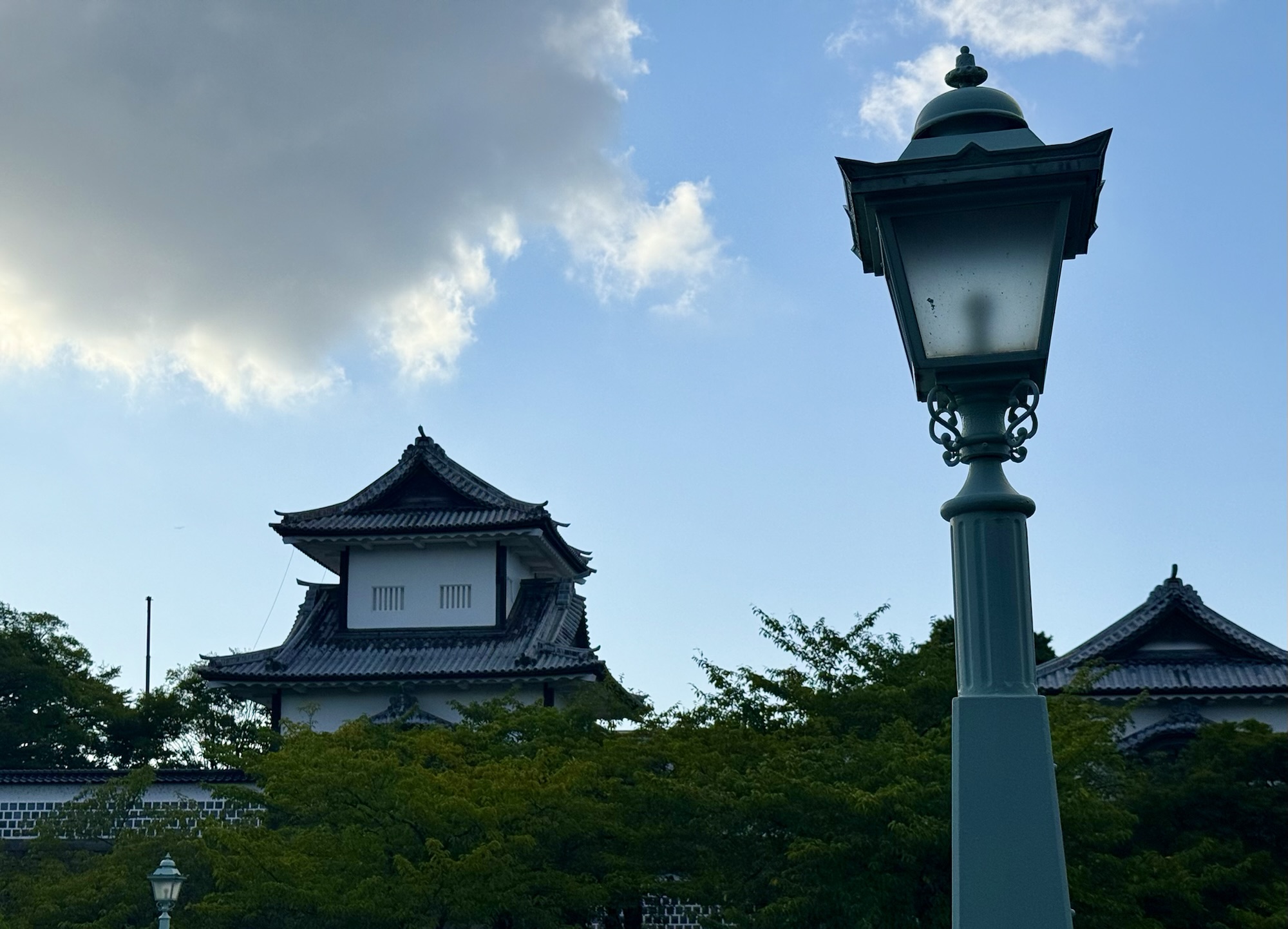
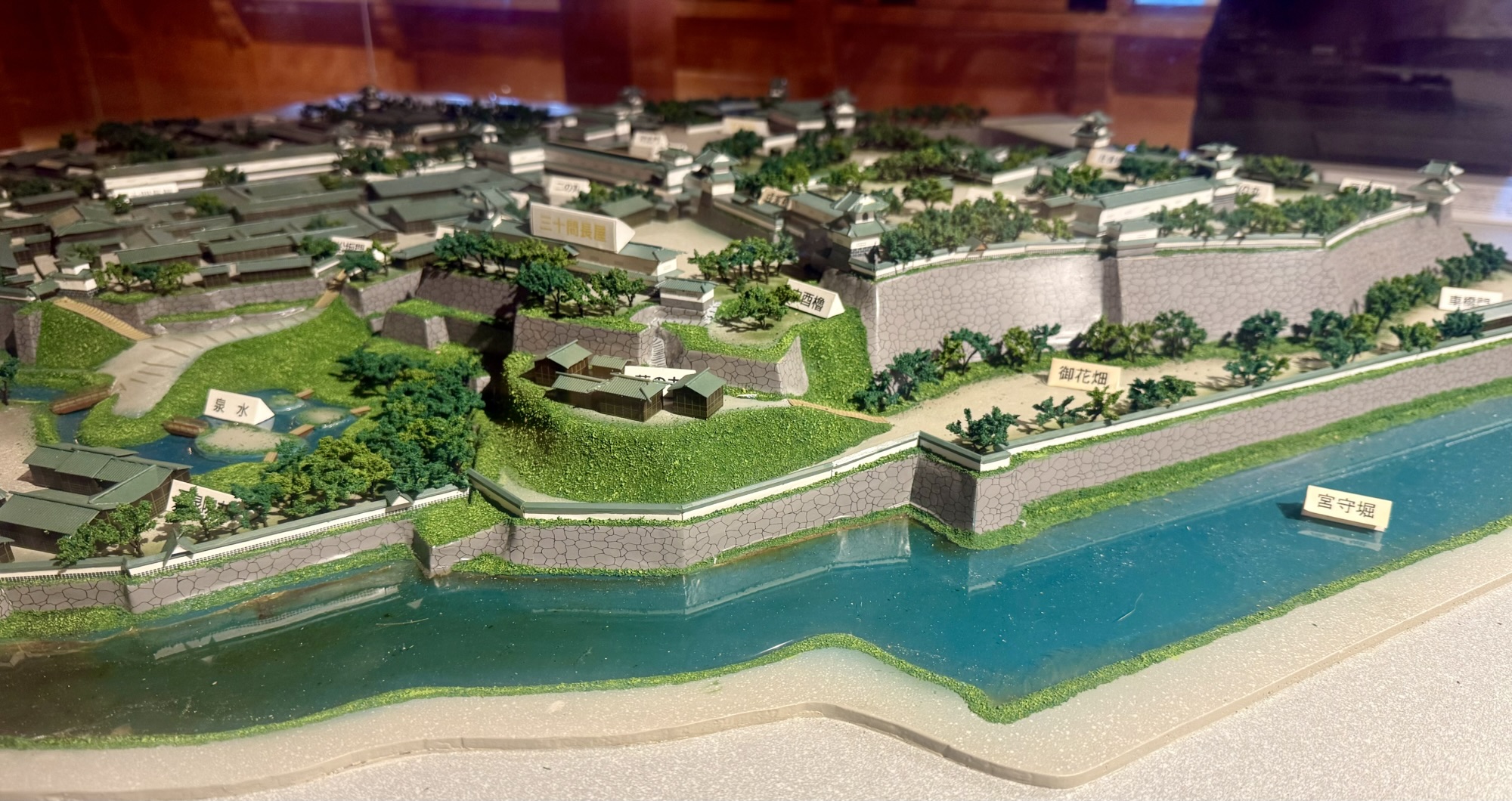
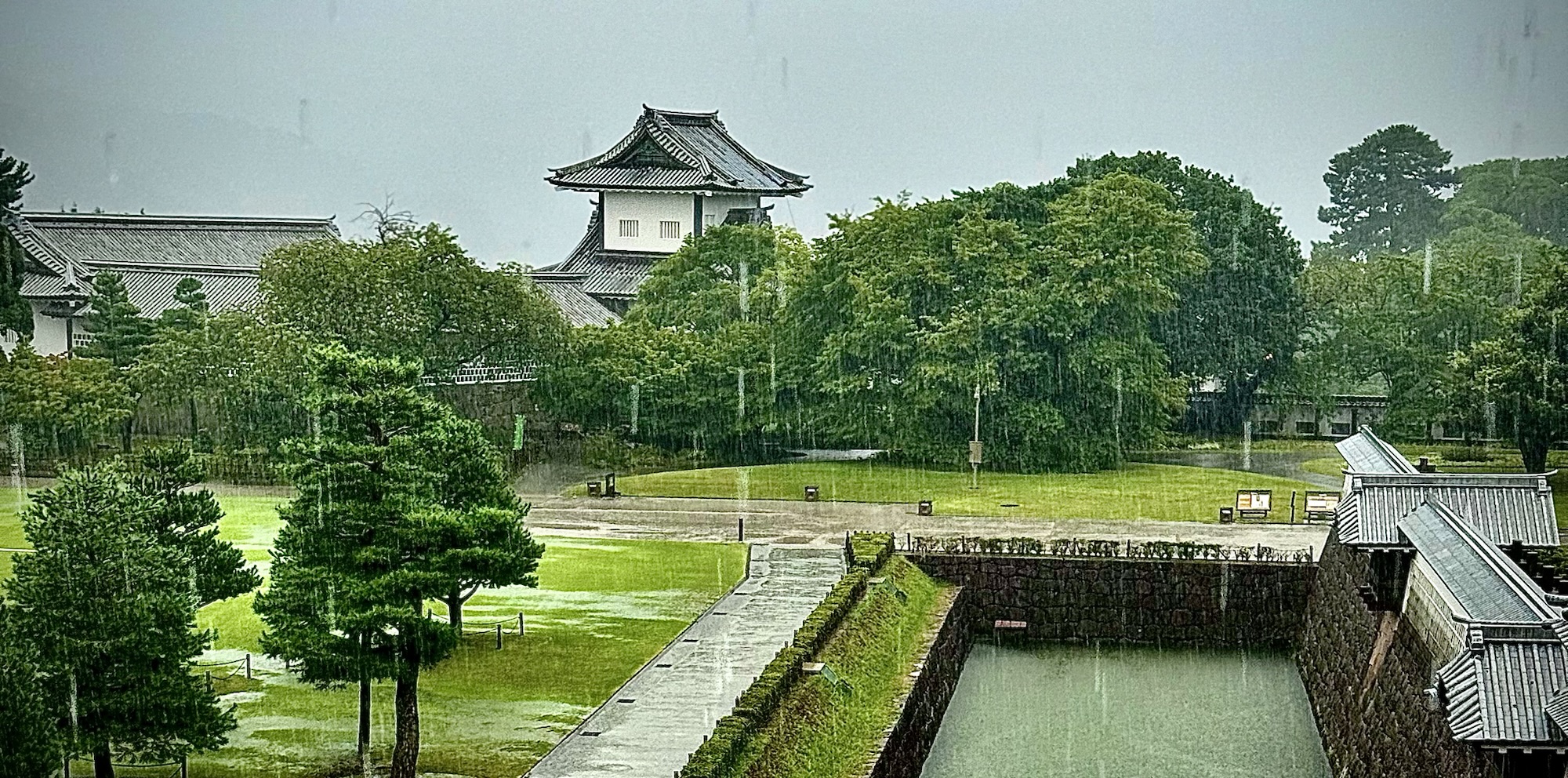
With Kanazawa under siege from heavy rain for most of the morning (indeed, there were flash flood watches enacted), we decided to begin our sightseeing for the day indoors at Kanazawa Castle and save the outdoor Kenroku-en gardens for later in the afternoon. When we visited Himeji Castle, I wondered aloud how builders and engineers in ancient times had managed to construct such grandiose, huge-scale edifices without fear of collapse. Serendipitously, the authors of the information panels at Kanazawa Castle had been eavesdropping. The exhibits here directly addressed some of those questions, with in-depth illustrations and explanations of the structural science that goes into the conception, construction, and/or restoration of these wonders. This particular castle, home to Maeda Toshiie, a lord and vassal to Oda Nobunaga, boasts a particular attention to aesthetic beauty and architectural artistry rather than the usual fixation on sturdiness and practicality for wartime defense. But maintaining the grounds over the centuries has been easier said than done. Kanazawa Castle’s history records included more destructions by fire than we’ve seen at any site yet, and restoration projects continue to this day (literally—construction crews were set up outside, although the rain had halted work during our tour).
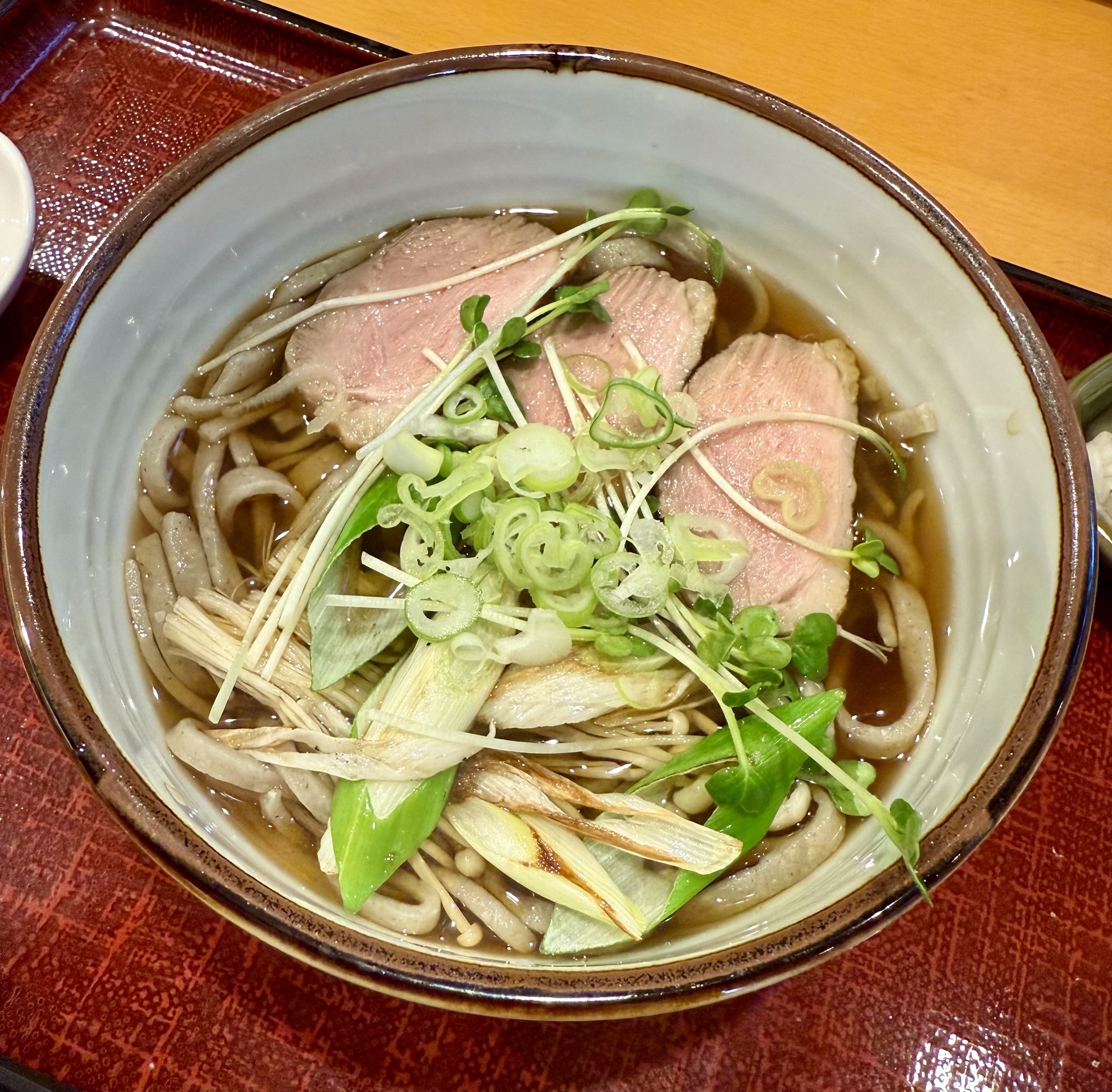
A short stop at Yabuken Soba filled our bellies for the afternoon and was the ideal lunch for both a rainy day and a still-recovering-from-sniffles day. It also gave me a chance to put my money where my mouth is with that whole “I’d like to try harder at communicating” bit I wrote about yesterday. But I’m glad I did. It really did tie a bow on the experience to see the beaming smile on the shop owner’s face after I told her (via Google translate) that the meal had been so delicious and we were thankful.
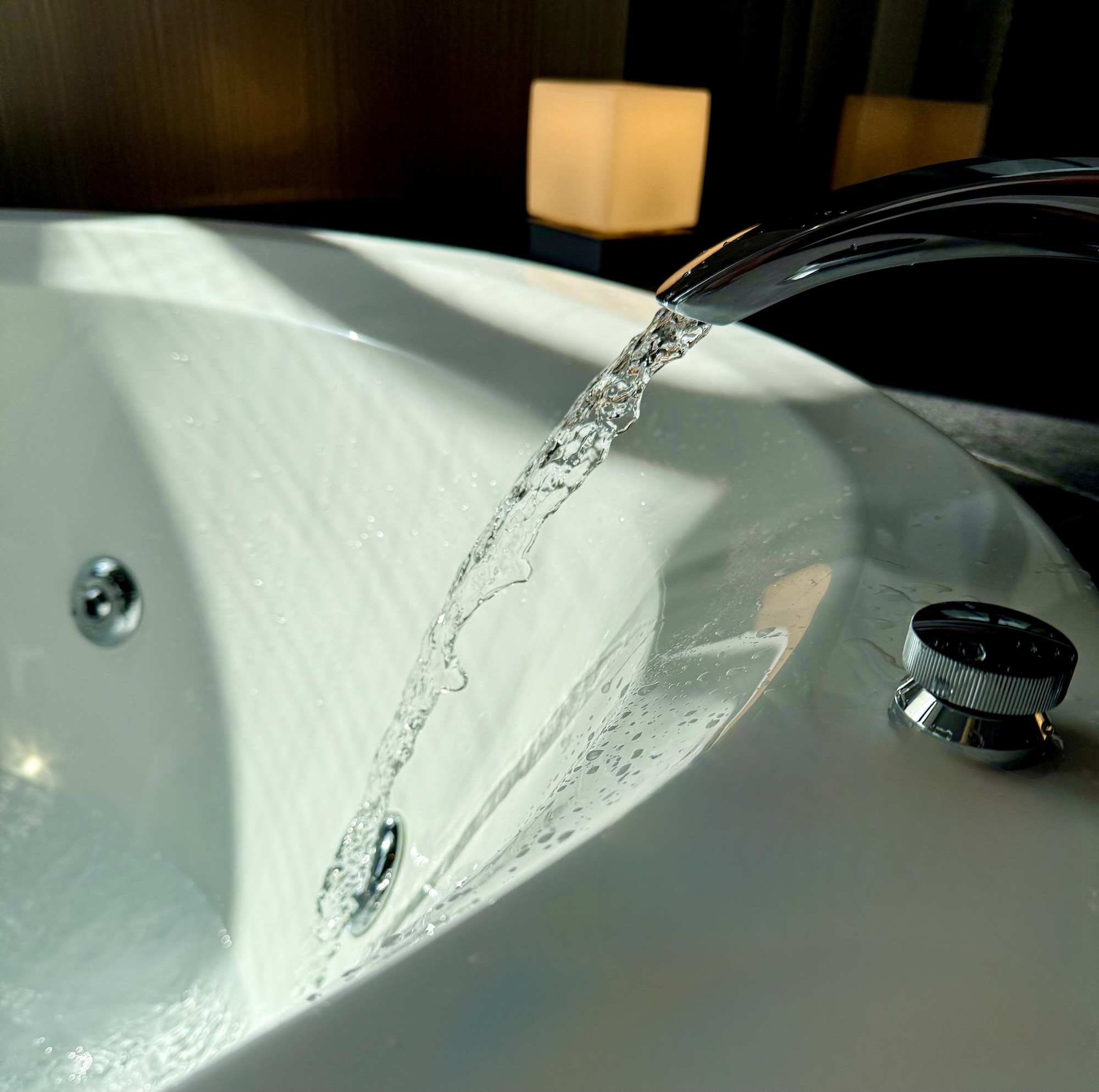
We needed something to occupy the time while we waited patiently for the rain to stop, and luckily for us, our hotel had the perfect opportunity. Any great vacation, in my book, fluctuates between two states of being: doing everything or doing nothing at all. Our hotel in Kanazawa is Scandinavian-themed, and, appropriately, that means they feature a private sauna for guest use. A little midday spa experience was a nice way to check the “do nothing” piece off our list for the day and to catch up on some life topics. Thirty-two years of friendship doesn’t happen on its own, for those of you keeping score. I’m ever so grateful to be here alongside my most trusted confidant and my safest source of support. It’s been wonderful to discover that we also make such good travel buddies, because that, like so many things in friendships, isn’t a given.
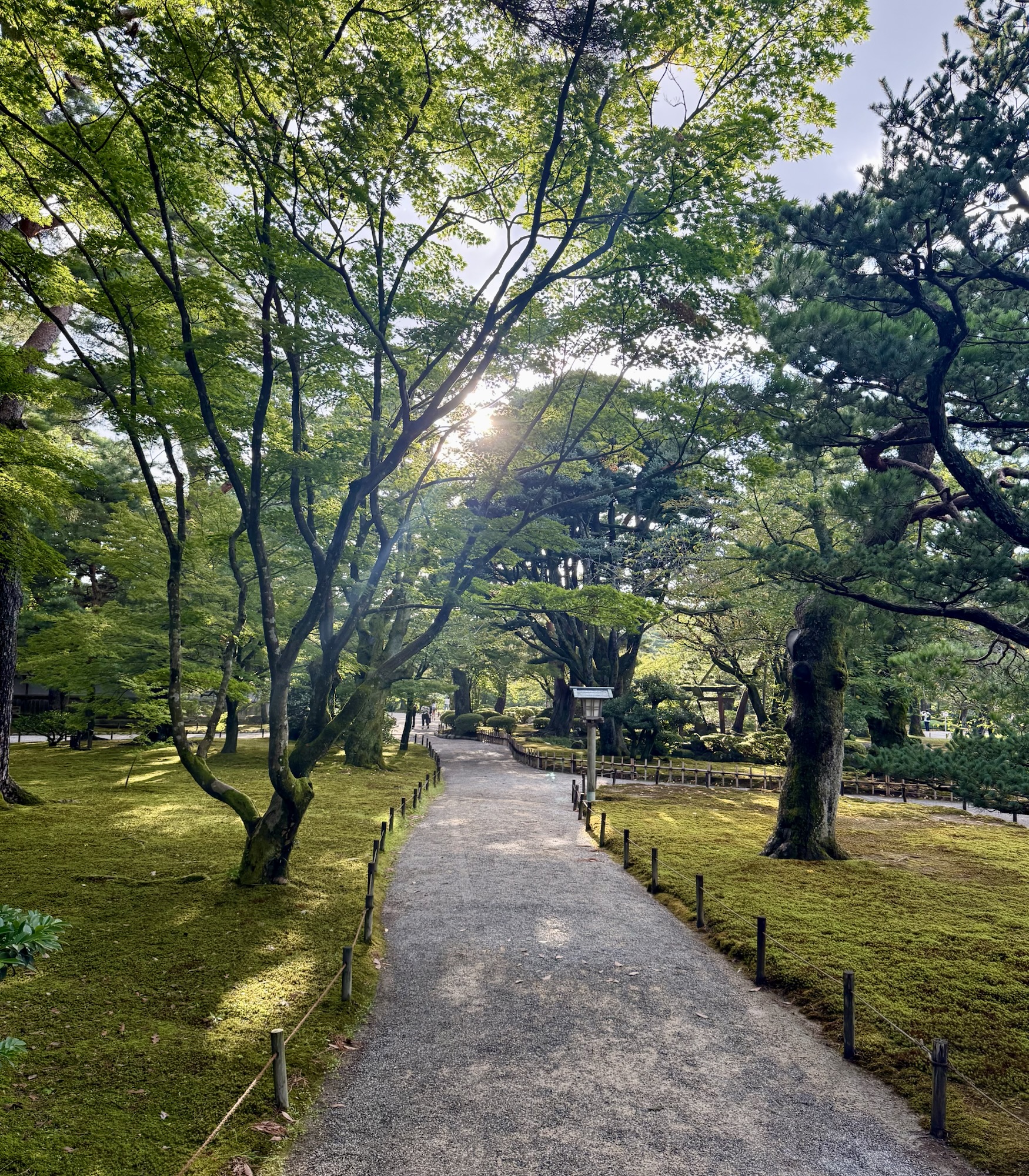
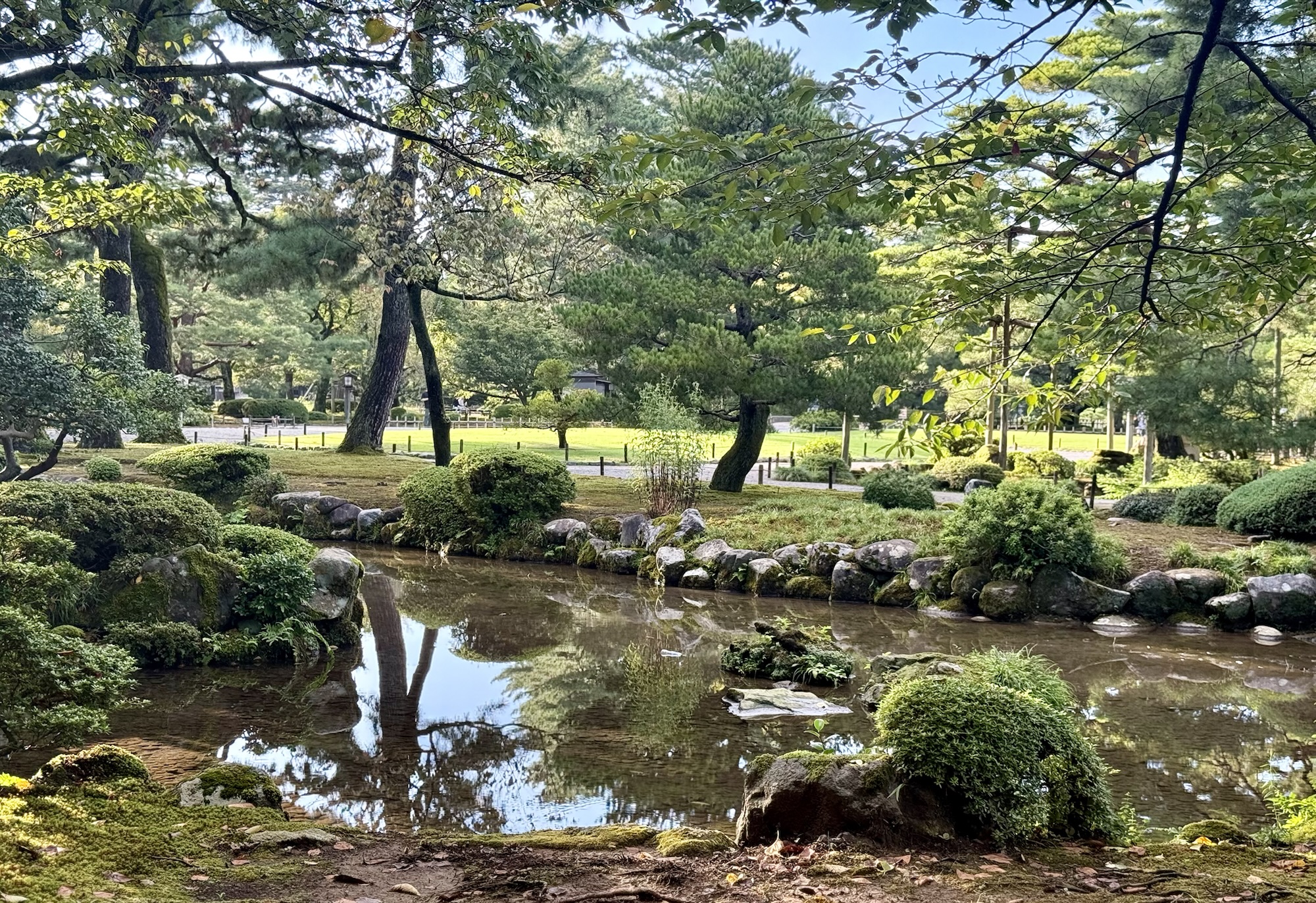
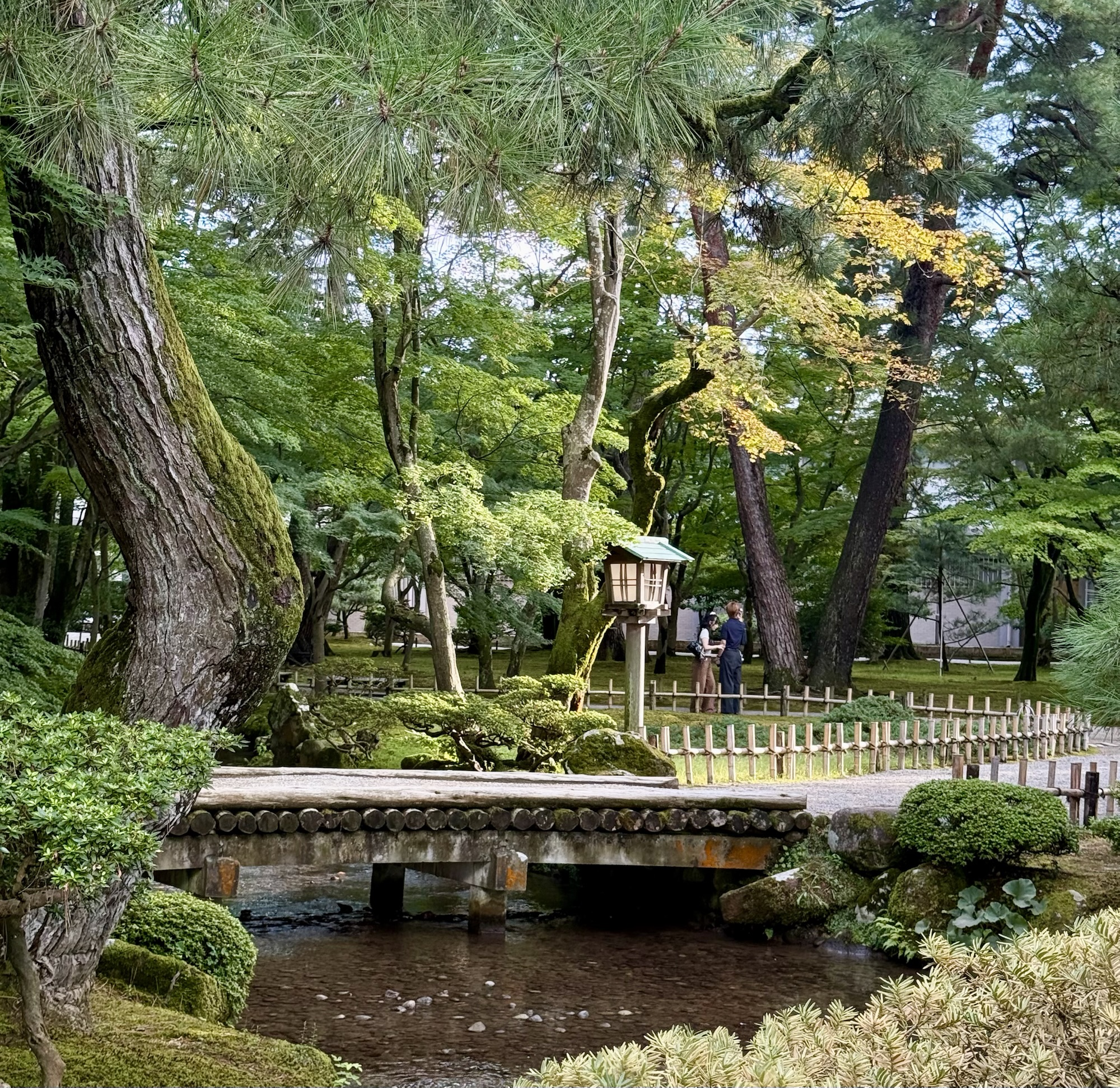
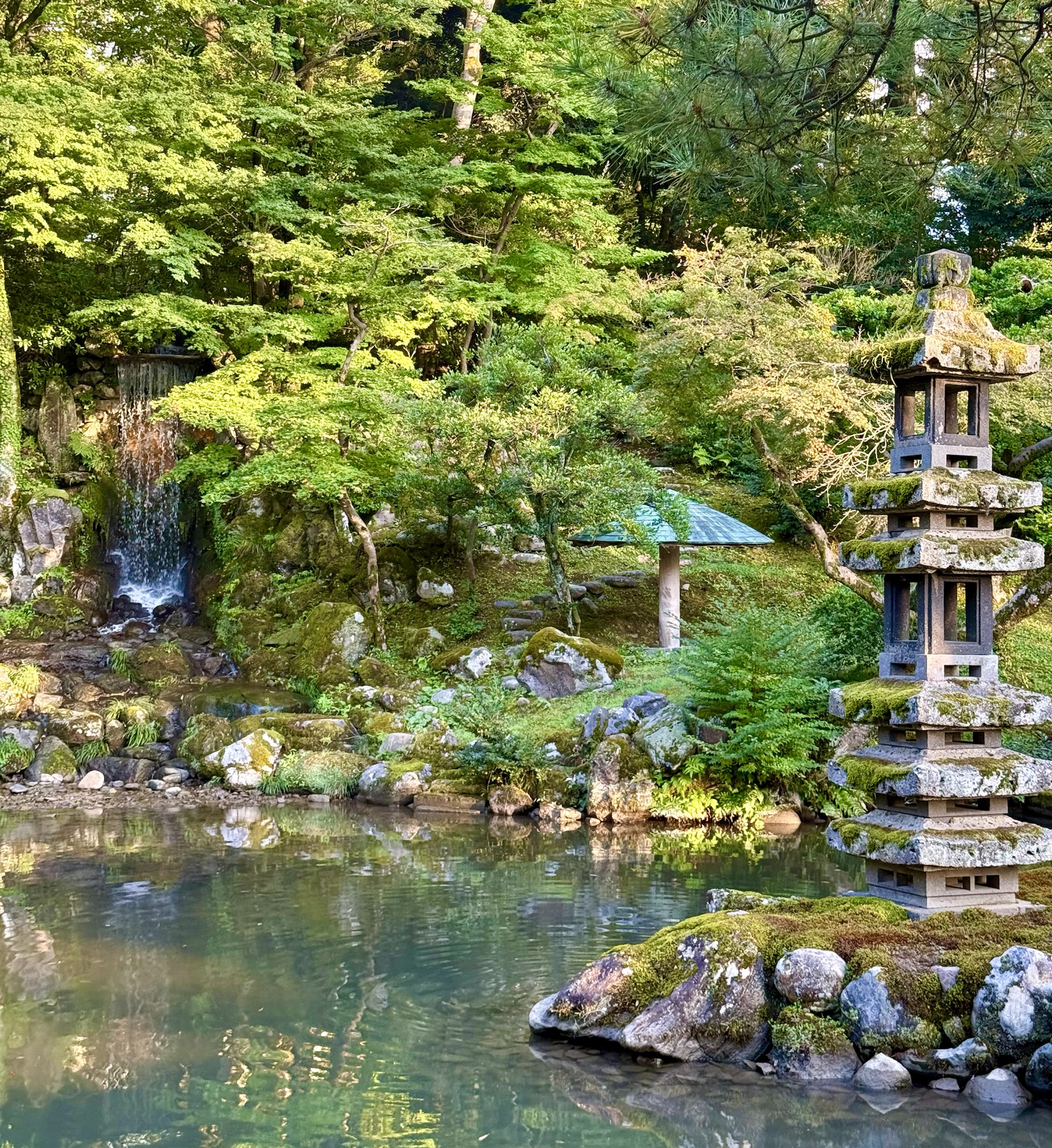
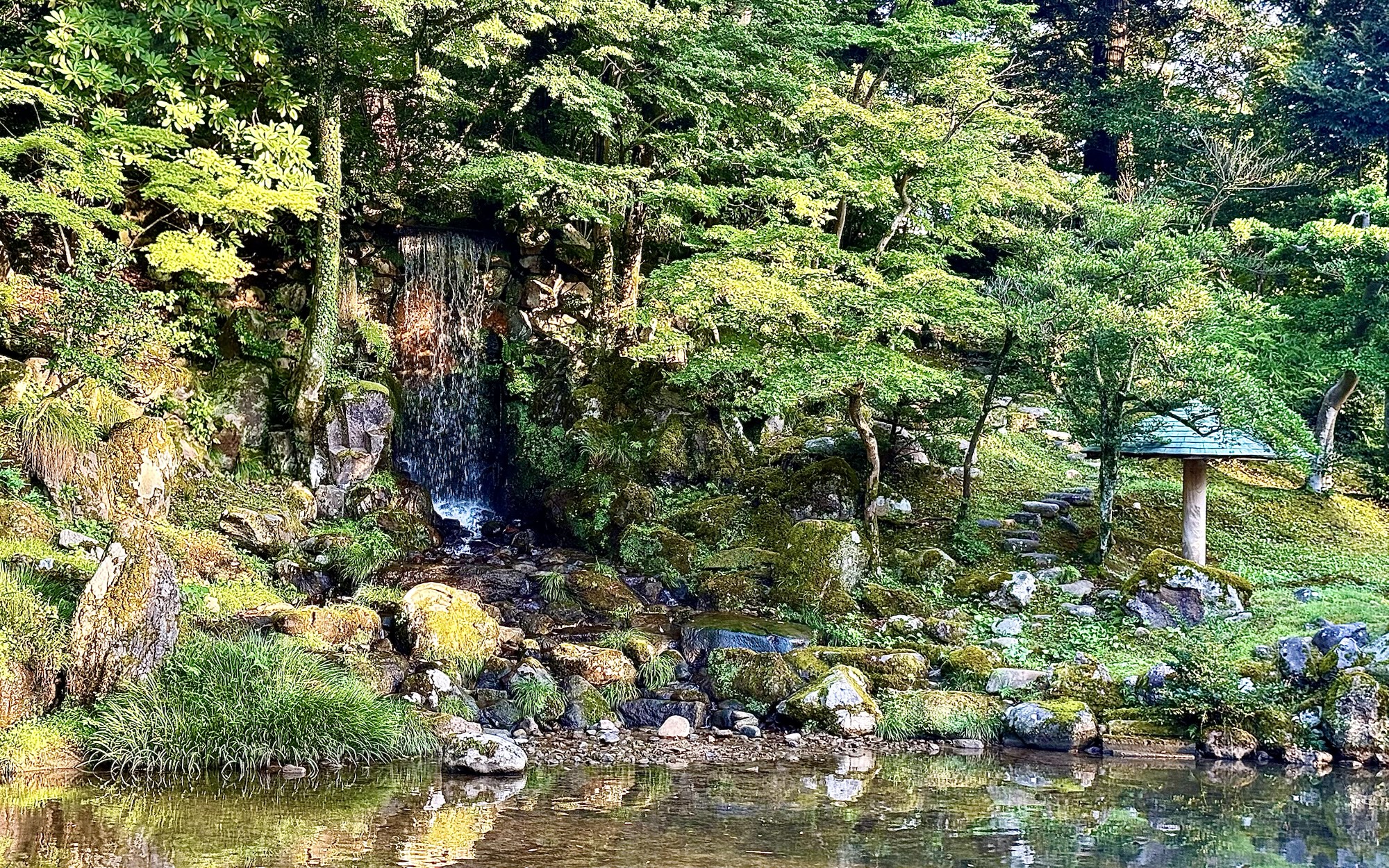
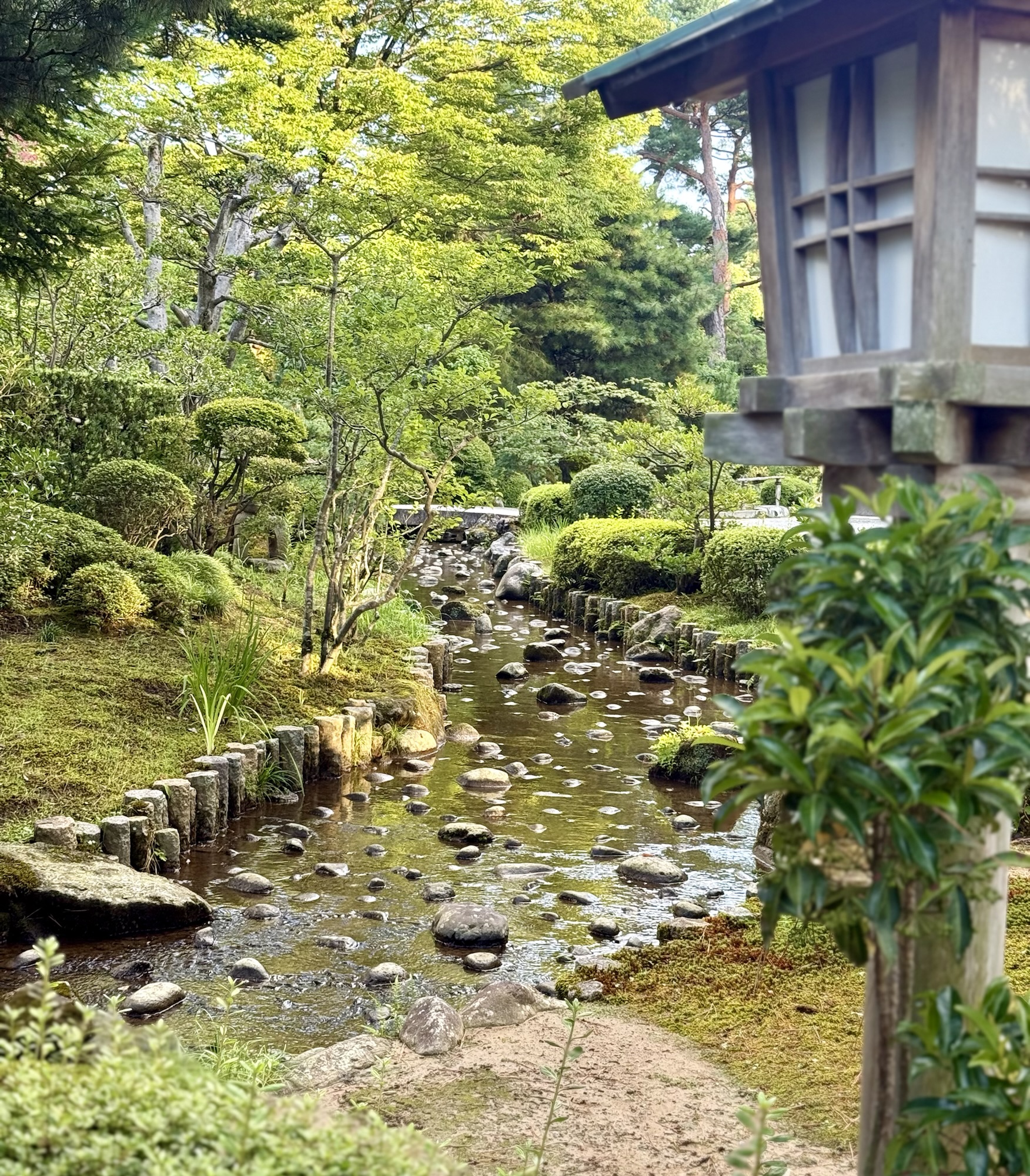
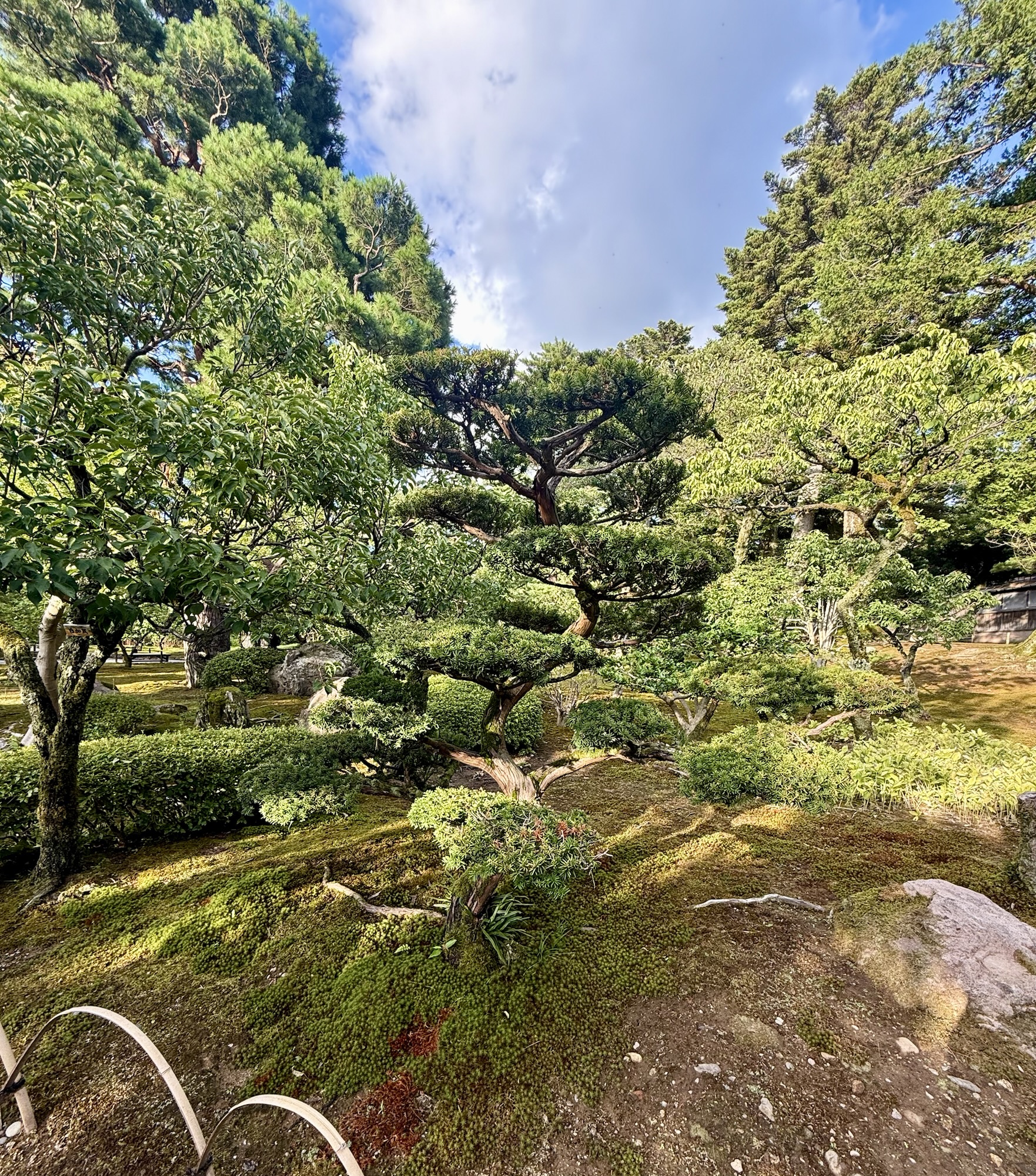
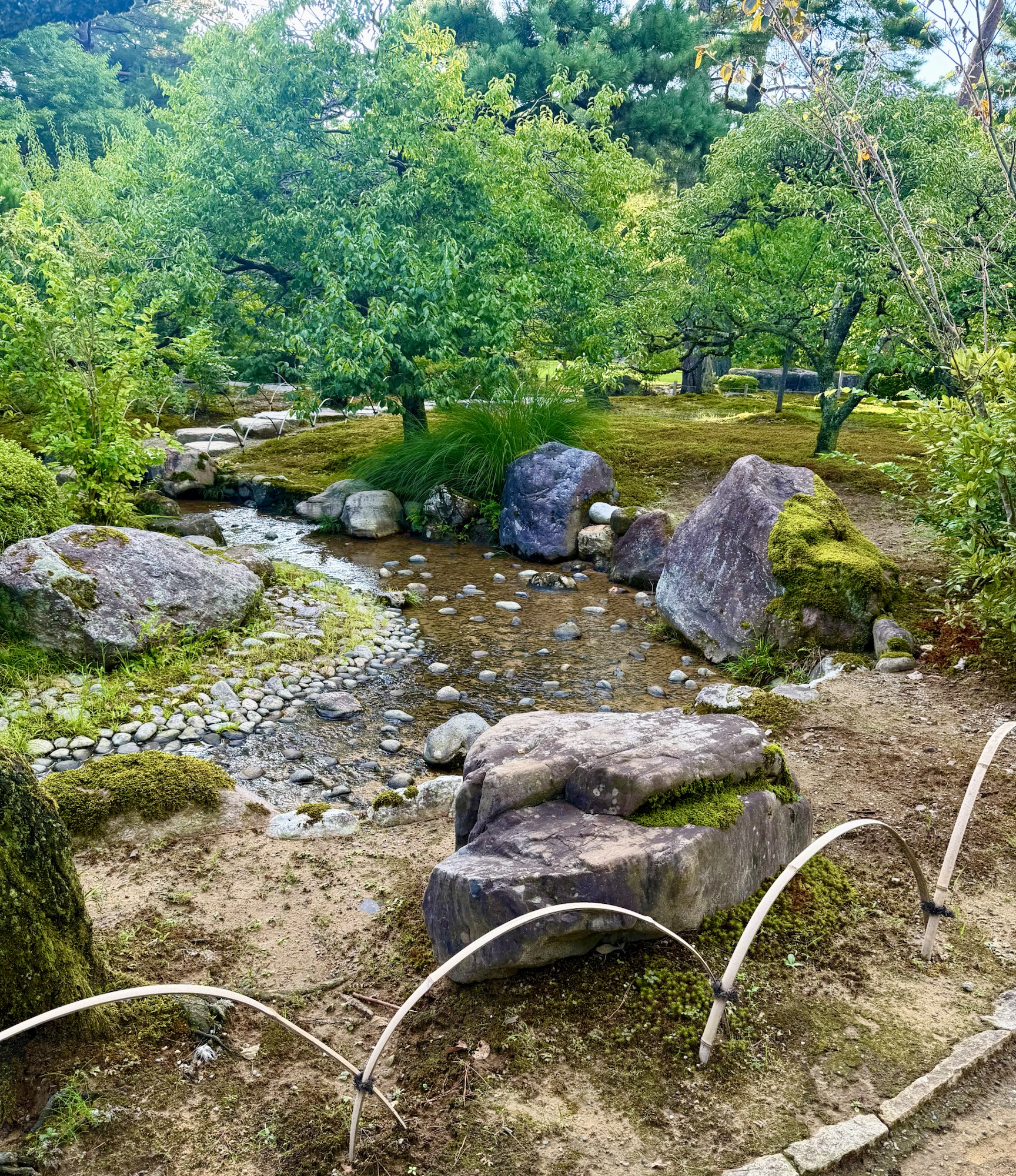
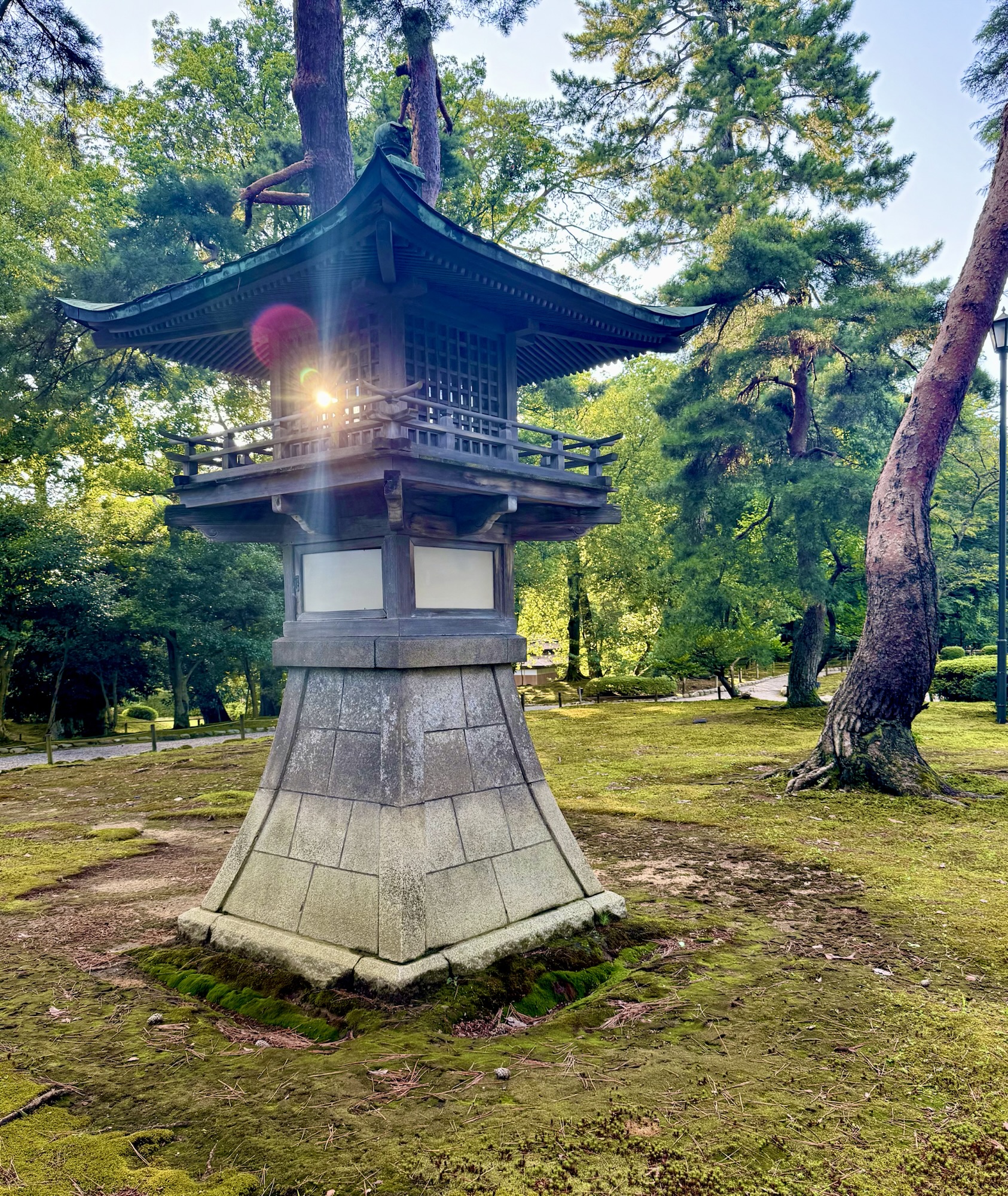
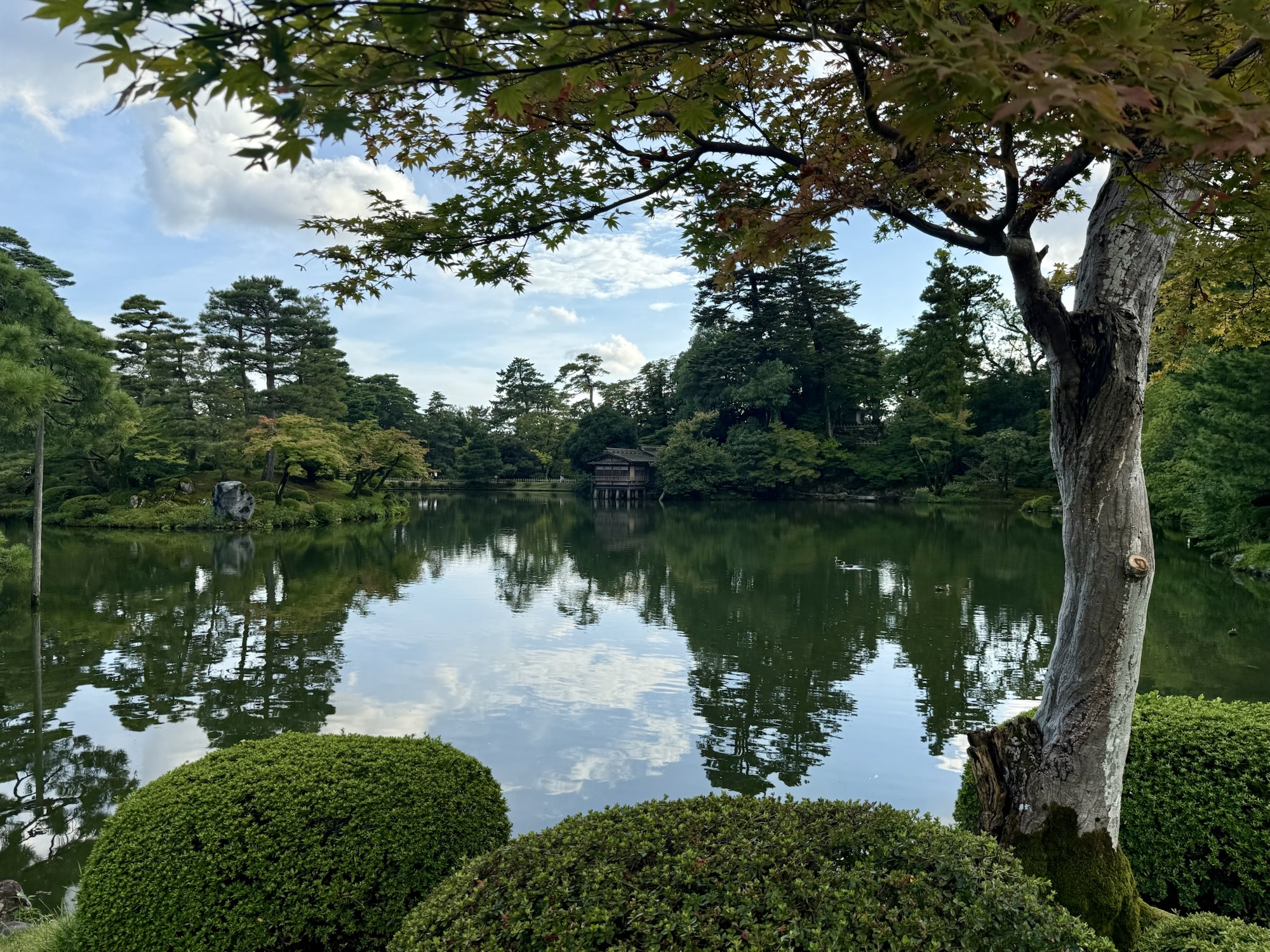
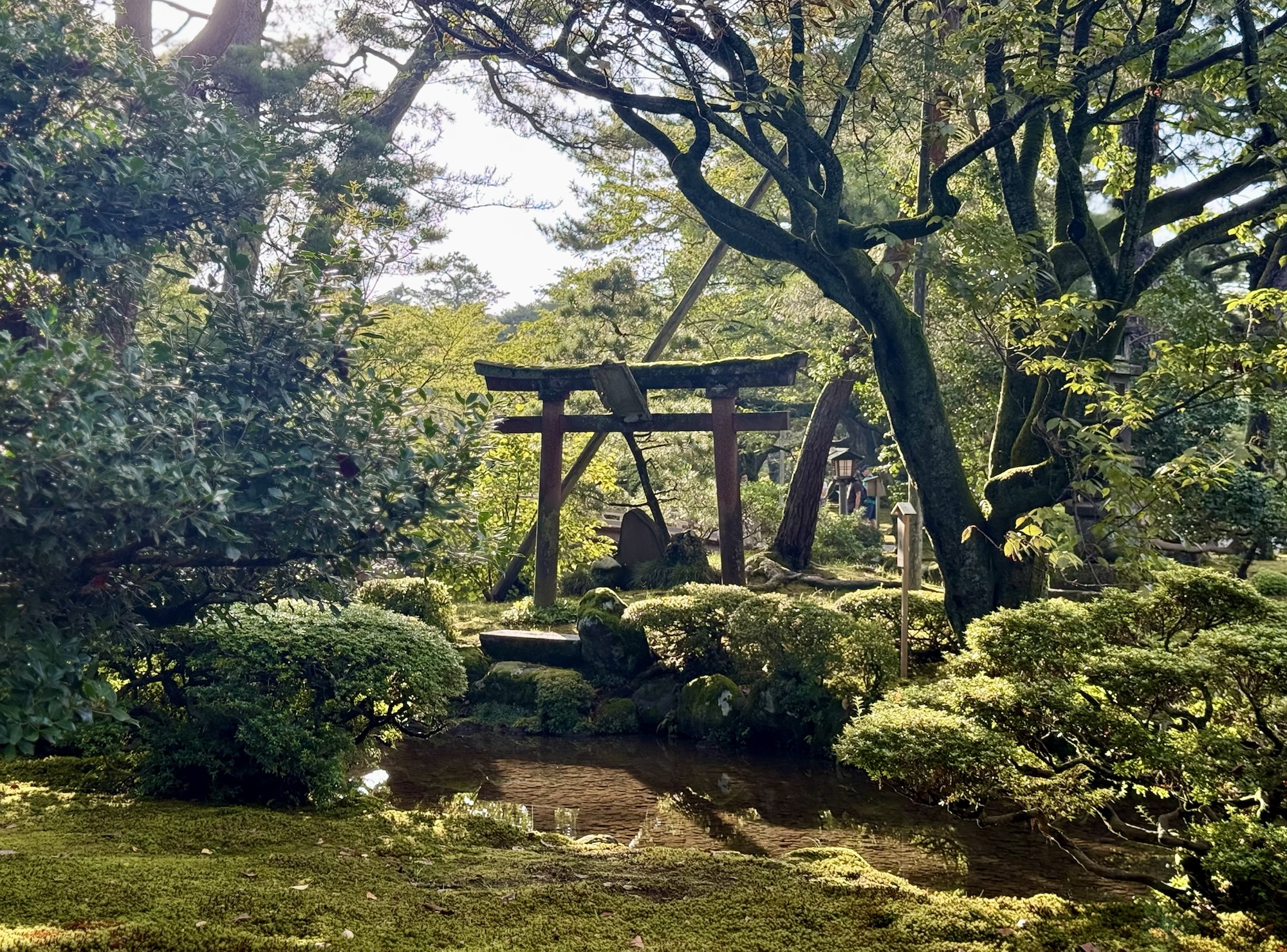
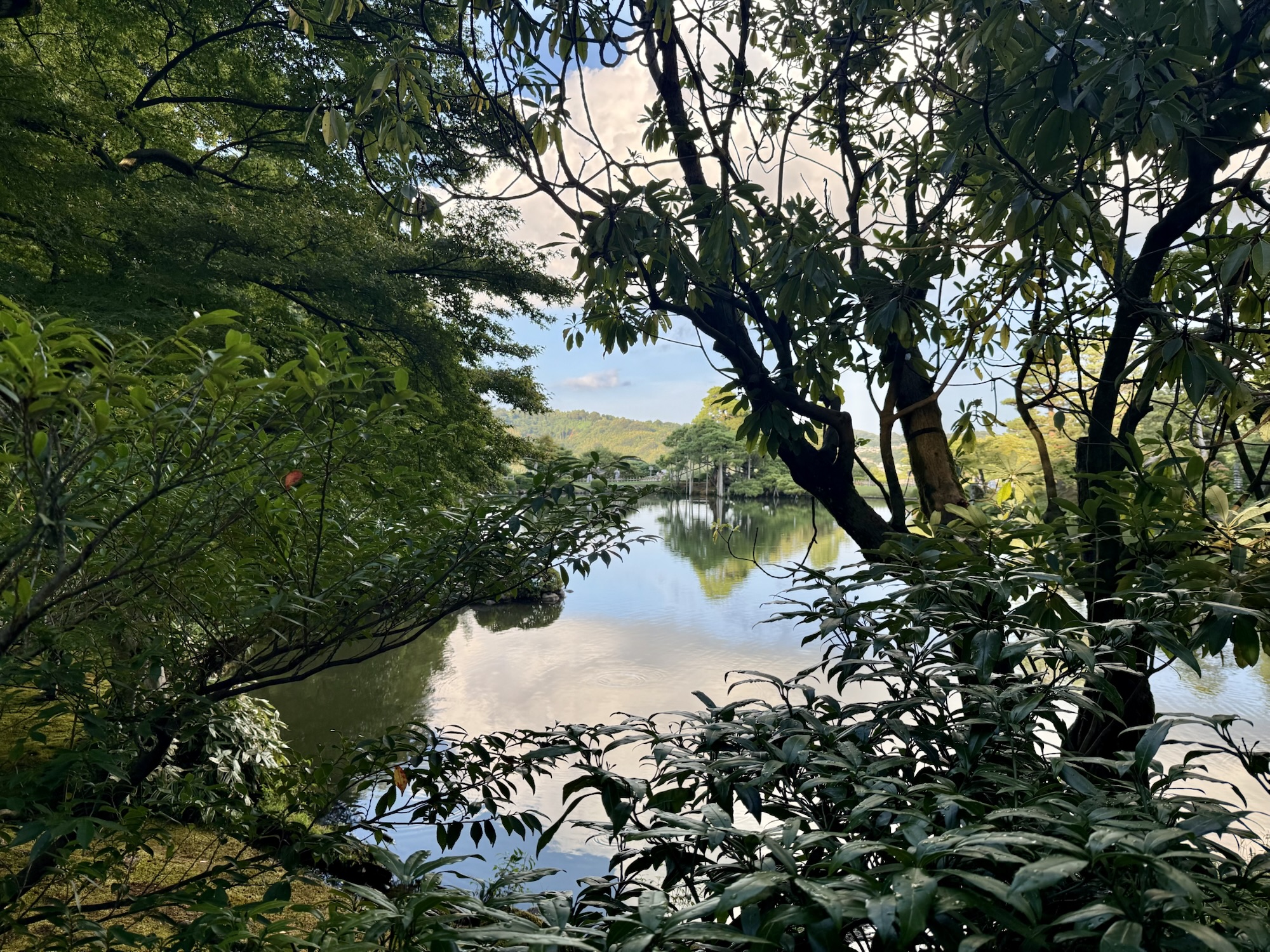
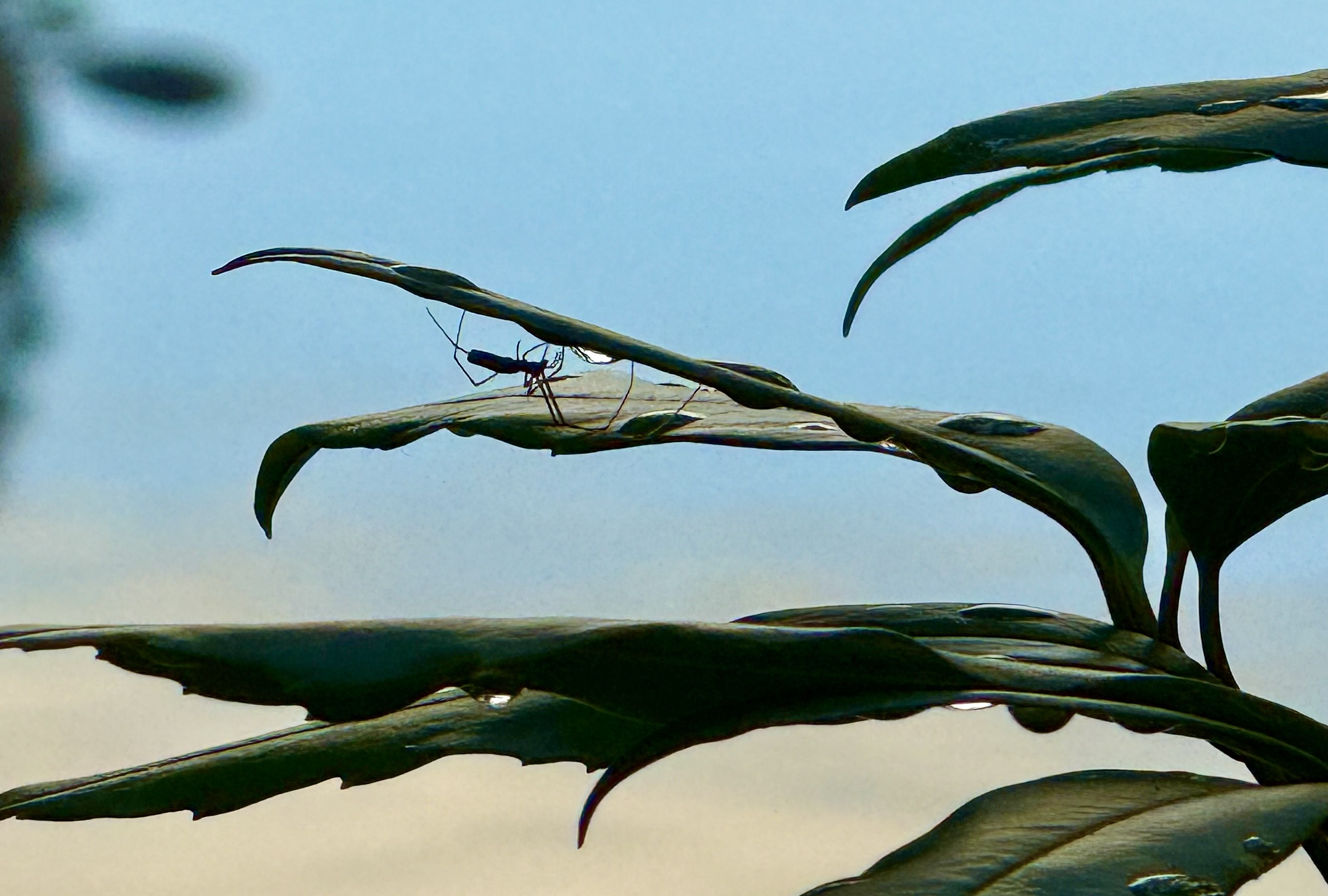
At last, it was time to see Kenroku-en, considered one of the three great gardens of Japan and the companion space to Kanazawa Castle that we’d visited earlier in the day. Given the Maeda clan’s clear attention to visual beauty, it should come as no surprise that the garden situated next to their castle would rival it in splendor. As I walked through the garden, I was reminded of this scene from one of my favorite films, The Namesake, where the young protagonist of the movie, Gogol, walks out to the end of a stone pier with his father and they realize they’ve forgotten their camera. “You’ll just have to remember it, then,” says his father, Ashoke. “How long do I have to remember it?” Gogol asks, inquisitively. Ashoke laughs wisely. “Ah, remember it always. Remember that you and I made a journey and went together to a place where there was nowhere left to go.” An odd connection, perhaps, given that I had not forgotten my camera and I do, in fact, have plenty of pictures to share from our stroll. But perhaps the striking part about the scene for me is the implication that creating memories with loved ones can (and should) be more powerful than pictures alone. I tried to remain present as I walked across the river stones and listened to the slow trickle of water under my feet, cognizant that this ambiance and scenery has inspired artists and writers for centuries. I am a small stone in a big pond, but there is beauty in that, too.
I am soliciting thoughts and wishes for good fortune in our rematch with JR West tomorrow morning as we (try to) board our final train to Tokyo. I expect the next three days will be a scramble of trying to squeeze in “one last time” for all kinds of different things we’ve loved while being here. The mortality of this experience is beginning to come into focus, and that’s to be expected. We can only try to meet it with acceptance and not sour resentment.
 Where the Waterfalls Mean Home